1. At a Glance
DreamFolks Services Ltd — the self-proclaimed VIP concierge of the Indian skies — has finally hit a little turbulence. With a market cap of ₹642 crore and a stock price hovering around ₹120 (after nosediving 72% in a year), the so-called “gateway to experiences” is now battling gravity. In Q2 FY26, revenue clocked ₹2,055 million while PAT stood at ₹112 million, marking a sharp slowdown from the peak FY25 figures. The company’s P/E of 9.9, ROE of 24.2%, and ROCE of 33.7% still look pretty, but the narrative underneath is screaming: “Turbulence ahead!”
Return over six months: -53.2%. Over three months: -13.5%. If frequent flyers lost luggage, DreamFolks seems to have lost investor confidence. Add a CRISIL downgrade to BBB-/A3 and the decision to discontinue domestic airport lounge services from September 2025, and we have a company that went from “dream” to “drama” faster than an IndiGo boarding call.
Still, it’s not all gloom. The company is debt-light (₹10.2 crore), sitting on a comfortable current ratio of 3.52, and expanding into railway lounges and highways dining services. That’s right — DreamFolks is diversifying from terminals to toll plazas. Now the passengers stuck in traffic might soon get their cappuccino too.
2. Introduction
Once upon a terminal, DreamFolks Services was the silent partner behind your “exclusive” lounge access — that magical moment when your credit card made you feel like royalty before a flight delay ruined everything. Incorporated in 2008, DreamFolks built an asset-light platform model, connecting banks, card networks, and corporates to airport service providers. With a staggering 95% market share in India’s card-based lounge access, it practically monopolized the airport experience business.
But as every frequent flyer knows, monopolies too have turbulence warnings. FY25 looked good on paper: ₹1,209 crore revenue, ₹64.6 crore PAT, 14% return on assets, and a debt-equity ratio of 0.03. Yet, post that peak, the descent began. The company’s top five clients contributed 84.9% of revenue, making it the corporate equivalent of putting all eggs in one credit-card-shaped basket.
Then came 2025 — the CFO resigned in February, CRISIL threw a downgrade in September, Adani Digital and Encalm (two major lounge operators) pulled out, and by November, DreamFolks was left managing more press releases than passengers.
To its credit, management didn’t freeze. It acquired 50.01% of Ten11 Hospitality LLP (railway lounges), partnered with RedBeryl for luxury experiences, and expanded its reach beyond airports to highways and hospitality. Essentially, DreamFolks is trying to become the Zomato of premium travel — without the food delivery mess (for now).
3. Business Model – WTF Do They Even Do?
DreamFolks operates like that friend who doesn’t own anything but somehow arranges everything. It connects banks, airlines, telecoms, and corporates with airport lounges, spas, hotels, and visa services — and takes a cut every time you swipe your card to get that “free” cappuccino at Plaza Premium.
Their asset-light model means they don’t actually own lounges — they just manage access. Think of it as India’s “MakeMyTrip” for the pre-boarding zone. With tie-ups with Visa, MasterCard, RuPay, Diners, and Discover, and clients like ICICI, HDFC, Axis, Kotak, and SBI Cards, DreamFolks runs the invisible network that powers airport pampering.
Now, the company is stretching beyond lounges:
- Visa facilitation through VFS Global – “Visa at Your Doorstep” (finally, some joy for Schengen sufferers).
- E-SIM services – partnered with Matrix, because what’s travel without connectivity anxiety?
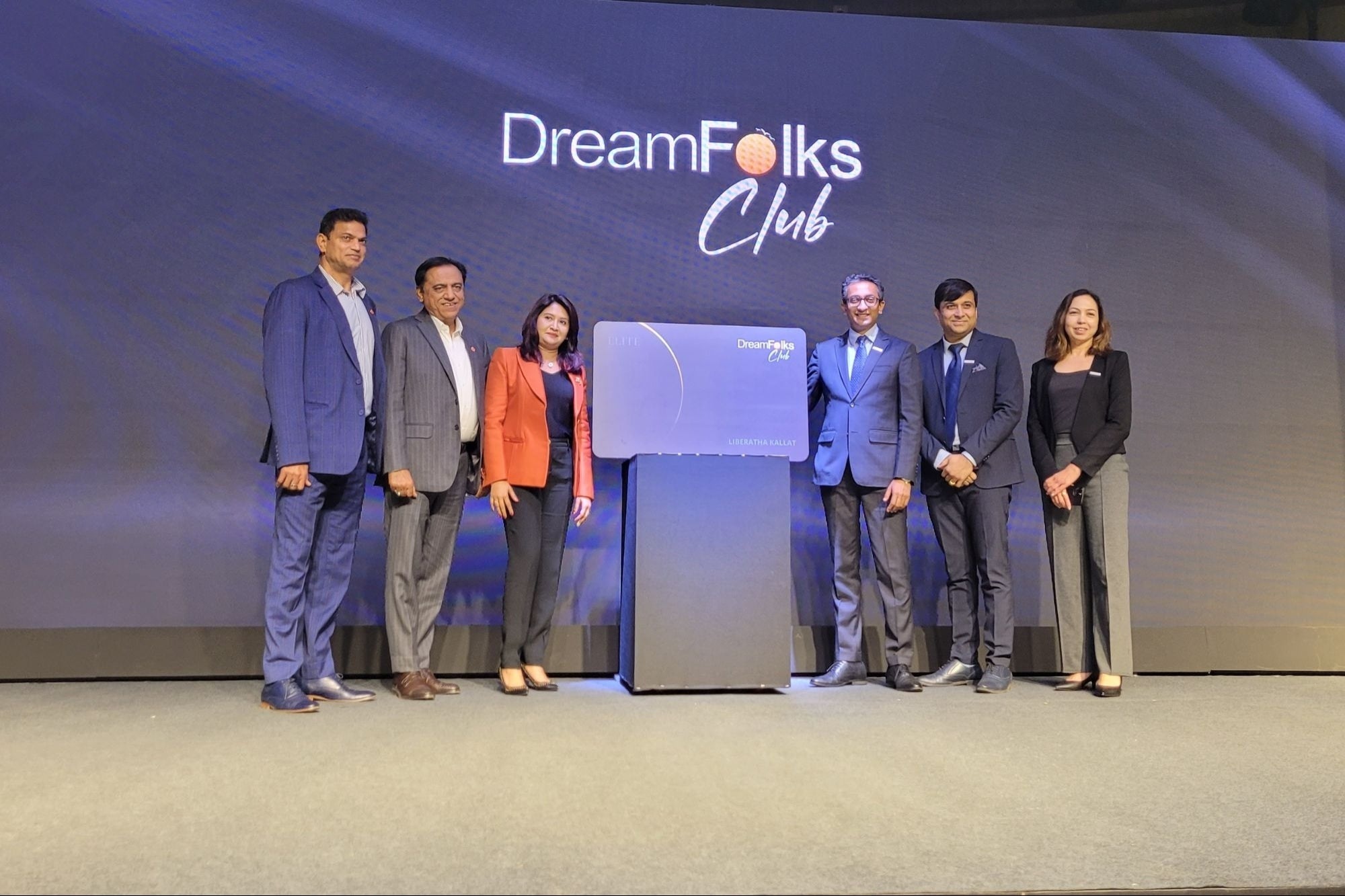
- DreamFolks Club – an annual membership program bundling lounges, golf, spas, and floral gifting (basically, a lifestyle subscription for frequent flyers with guilt).
- Highway dining – announced in 2024 to “expand beyond airports.” Soon, maybe they’ll do metro refreshments too.
It’s an ecosystem play, no doubt. But like all aggregators, DreamFolks depends on others to execute. When Adani Digital, Semolina, and Encalm decided to cut ties, DreamFolks’ service map suddenly looked like Swiss cheese — full of holes.
4. Financials