Dreamfolks Q4 FY26: A ₹1,292 Cr Business Walks Out of Its Own Lounge, Revenue Halves to ₹661 Cr
Spotted a factual error — a wrong number, date, or fact? Tell us and we will check the source.
General information and entertainment, not investment advice. The author is not a SEBI-registered adviser or research analyst. No recommendation, no promised returns. Markets carry risk including loss of capital. Figures may not be current. Consult a registered adviser before acting.
1 — At a Glance
Dreamfolks built India’s largest airport-lounge aggregator on a single load-bearing pillar: the domestic lounge. In FY25 that pillar carried roughly 93% of revenue. In September 2025 it was demolished — suppliers withdrew, banks redesigned card perks around spending rather than free access, and the domestic lounge segment was discontinued from September 16, 2025.
The numbers record the aftermath without flinching. FY26 revenue landed at ₹660.56 Cr against ₹1,291.88 Cr a year earlier — a 48.9% drop. Net profit fell from ₹65.43 Cr to ₹11.56 Cr, down 82.3%. The March 2026 quarter alone posted revenue of ₹52.64 Cr versus ₹314.16 Cr in the year-ago quarter, an 83.2% collapse, and swung to a net loss of ₹13.09 Cr.
Two signals tug in opposite directions. The worry: a profitable mid-cap turned loss-making in its final two quarters, and a creditor filed an insolvency petition. The attention-grabber: the balance sheet still carries a 0.04 debt-to-equity ratio and the company reports a global-lounge segment growing fast off a small base.
A halved top line is rare; a halved top line that was planned for is rarer still. The market now pays 31x earnings on a business mid-reinvention — the next sections record what that business actually is.
2 — Introduction
Incorporated in April 2008 by Mukesh Yadav, Dinesh Nagpal and Liberatha Kallat, Dreamfolks operates a technology platform that sits between card issuers and lounge operators. Banks, card networks, airlines and OTAs plug into the platform; their customers get lounge and lifestyle access; Dreamfolks settles the middle. For years this was a clean toll-booth model on India’s expanding credit-card base.
The toll booth had a structural exposure: it depended on the domestic airport lounge. As Indian banks shifted from unlimited complimentary lounge access toward spend-linked eligibility, the volume running through that booth thinned. Communications from key suppliers — Adani Digital, Semolina Kitchens, and Encalm Hospitality — signalled discontinuation of certain lounge services, per the company’s filings, and the domestic lounge segment closed effective September 16, 2025. Separately, certain ICICI Bank and Axis Bank customer programs were discontinued from July 2025, though the underlying contracts remain valid.
FY26 became, in management’s framing on the May 29, 2026 earnings call, a “transformative” and “near-term painful” year. The company is now pointing at three replacement engines: global lounges, owned railway lounges via an acquisition, and a B2C membership product. Whether those engines fill a ₹631 Cr revenue hole is the open question the rest of this entry circles.
3 — Business Model: WTF Do They Even Do?
Picture an aggregator that owns no lounges, pours no coffee, and runs no spa — yet stands between you and all three when your premium credit card promises “complimentary access.” That was Dreamfolks: an asset-light layer of software and contracts converting a card swipe into a recliner at the airport. The model’s genius was also its fragility — when the lounges and the banks on either side renegotiated, the layer in the middle had nothing of its own to stand on.
The platform’s reach is real. The company reports tie-ups with all five card networks operating in India — Visa, Mastercard, Diners/Discover, RuPay — and major issuers including HDFC, ICICI, Axis, Kotak and SBI Cards. Touchpoints span members-only clubs, golf, meet-and-assist, airport transfers, spa, F&B, travel SIM and highway dining. Twenty-plus services, one integration.
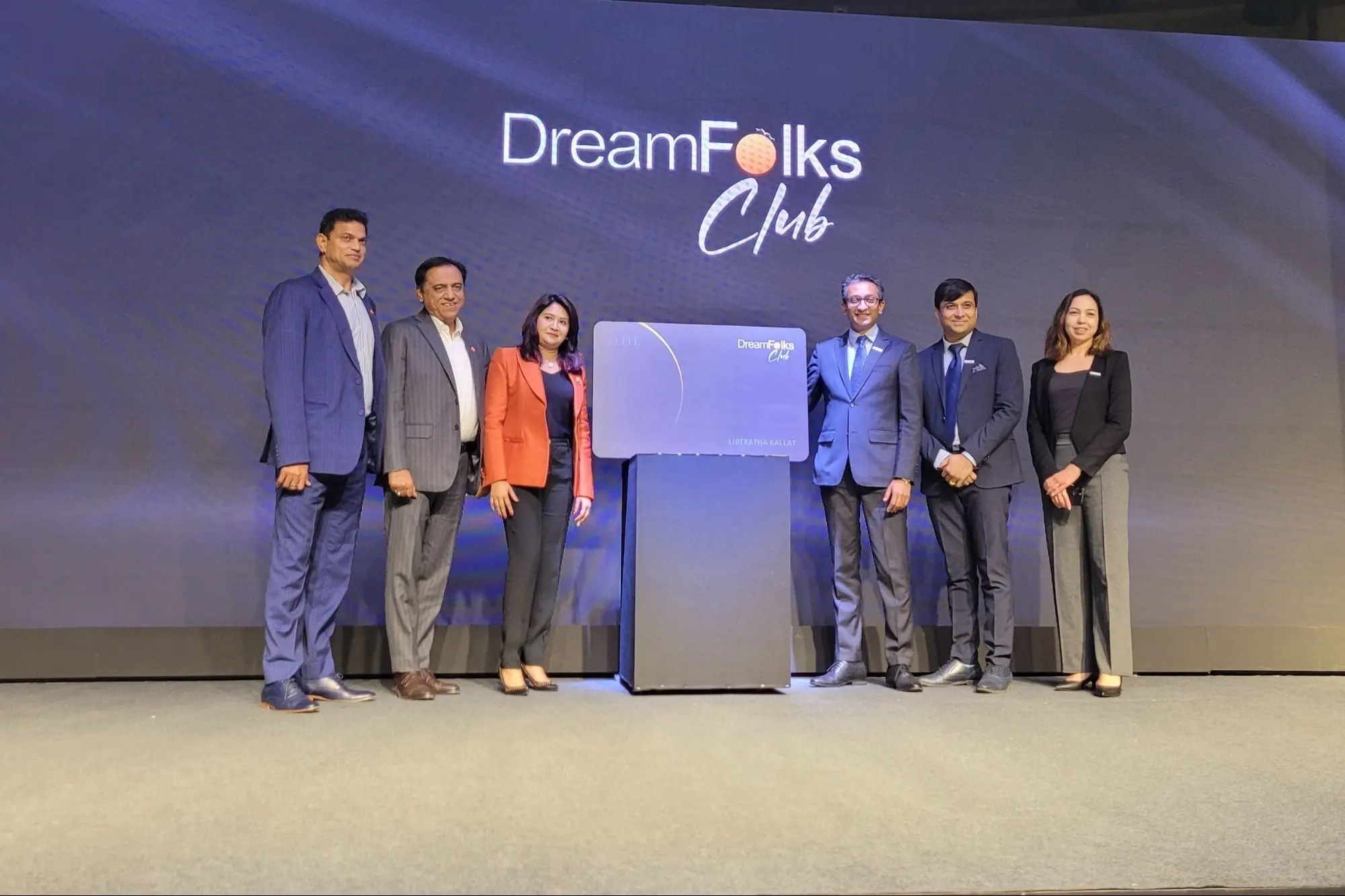
Then the foundation cracked, and the model is being rebuilt around things the company increasingly owns rather than merely brokers. Global lounges now run through over 1,000 airport touchpoints and, per management, contributed 68% of revenue in Q3FY26 — a number that only looks dominant because the domestic base it is measured against has shrunk. The Ten11 Hospitality acquisition brings direct ownership of premium railway lounges at Chennai, Mumbai and Vadodara. DreamFolks Club 2.0, launched October 2025, sells lifestyle memberships priced ₹10,000–50,000 across three tiers — a B2B aggregator’s first walk into B2C, where, by management’s own admission, it is “not going full throttle.”
The roast writes itself: a company whose competitive moat was not owning lounges is now buying lounges. The model didn’t pivot so much as invert. Does an asset-light toll booth that starts buying the road still get to call itself asset-light?