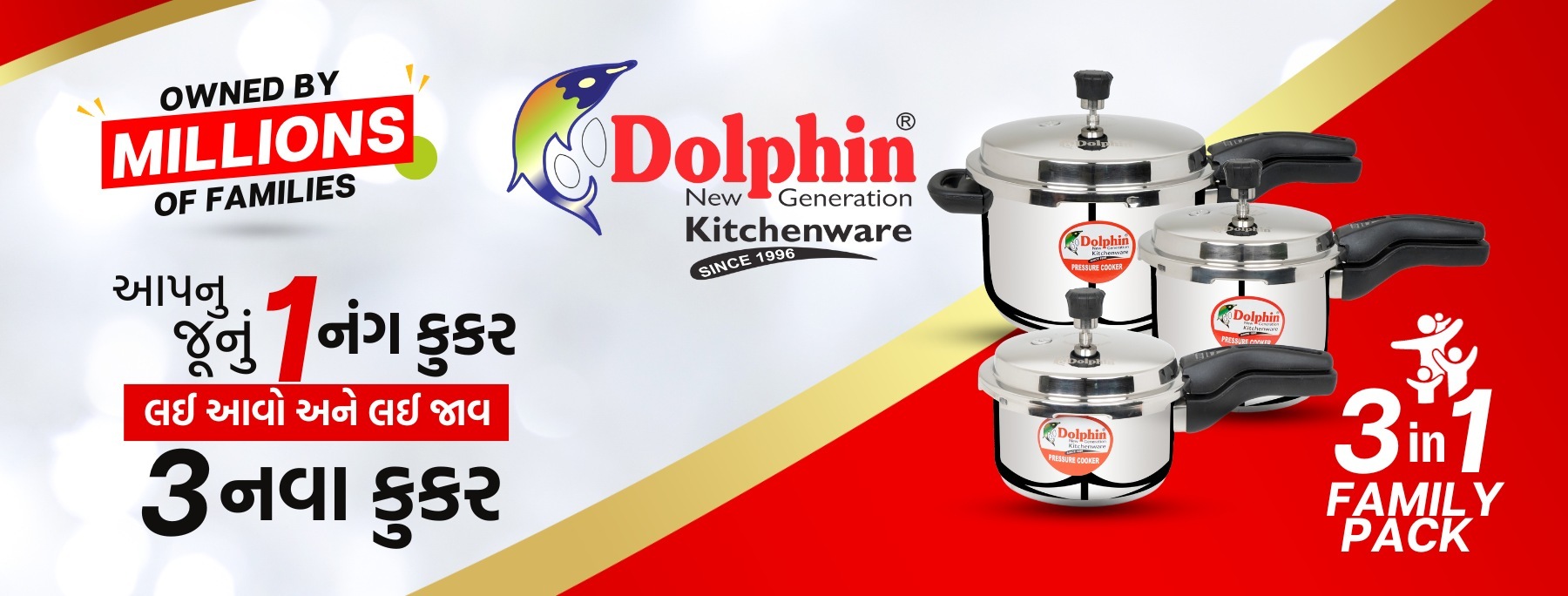
1. At a Glance — A Microcap That Looks Cheap Enough To Be Suspicious
Some stocks look expensive and disappoint.
Some look cheap and deserve to be cheap.
Then there are companies like Dolphin Kitchen Utensils, where the numbers almost look like a dare.
A ₹14.5 crore market cap company trading at 0.23 times book, 4 times earnings, with earnings yield above 22%, debt almost disappearing, and yet the stock is down more than 65% in a year. Usually markets do not throw away businesses this cheaply unless they smell something.
And that is where this gets interesting.
At first glance, this looks absurdly undervalued. Annual PAT of ₹3.58 crore against a ₹14.5 crore market cap implies you are theoretically buying the business at four years’ earnings. In listed markets, such things rarely exist without baggage.
And baggage exists.
Revenue collapsed 49% in FY26. Half-year revenue showed sharp slowdown. Consolidated FY26 revenue dropped to ₹33.23 crore from ₹65.16 crore. PAT slipped to ₹3.58 crore from ₹3.71 crore despite lower sales.
Then comes the detective story.
Operating cash flow? Deep negative.
Free cash flow? Worse.
Working capital days? Exploded to 669.
Debtor days? Rising.
Promoter holding? Falling from 62.15% to 50.94%.
Auditor resigned in early 2025.
Company secretary resigned Jan 2026.
Preferential warrants.
Name change.
Subsidiary sold to promoters.
If a forensic accountant and a value investor walked into a bar, this stock would start an argument.
Yet — and this is why it deserves analysis — the balance sheet also shows borrowings falling from ₹7.95 crore to ₹3.40 crore, book value ballooning, and capital infusion clearly strengthening equity.
So what is this?
Turnaround?
Value trap?
Or merely a tiny illiquid SME stock nobody trusts?
That is the puzzle.
And sometimes, puzzles are where returns hide.
Question for readers:
When a stock trades below quarter of book value, do you assume hidden opportunity… or hidden problem?
That answer determines whether you read this as treasure map or crime scene.
2. Introduction — Why This Tiny Company Is More Interesting Than It Looks
Dolphin is not a glamorous business.
No AI.
No defence contracts.
No semiconductor fantasy.
Steel utensils.
Dinner sets.
Kitchenware.
Raw material trading.
That is it.
Almost boring.
But boring businesses occasionally produce extraordinary investments — if balance sheets are real and valuations irrational.
The company markets under the DOLPHIN brand, while manufacturing is outsourced through Dhruvish Metal Industries LLP. That means asset-light distribution model rather than heavy manufacturing risk. Distribution includes 6 distributors and 150+ dealers.
Simple model.
Buy.
Brand.
Distribute.
Scale.
In theory.
But in practice, FY26 exposed stress.
Sales nearly halved.
Margins held surprisingly well.
Cash flows deteriorated.
And capital structure got messy through warrants.
That combination makes analysis harder.
The market seems to have decided this is junk.
But markets can overreact.
At 4 P/E versus industry median 47.6, either Dolphin is ridiculously mispriced…
Or those earnings are lower