DHP India FY26: The Regulator Maker Whose Profit Now Lives in a Mutual-Fund Folder
Spotted a factual error — a wrong number, date, or fact? Tell us and we will check the source.
General information and entertainment, not investment advice. The author is not a SEBI-registered adviser or research analyst. No recommendation, no promised returns. Markets carry risk including loss of capital. Figures may not be current. Consult a registered adviser before acting.
1 — At a Glance
DHP India closed FY26 with sales of ₹72.37 Cr, its best top line in three years, and a net profit of ₹11.06 Cr. On its own that reads like a tidy recovery year for a small Howrah brass-and-regulator exporter. Then you look one column to the left. FY25 booked ₹66.53 Cr of profit — six times FY26 — on the back of ₹74.08 Cr of Other Income while the actual regulator business barely moved. FY26’s Other Income was ₹3.56 Cr.
So the headline profit fell roughly 83% year on year, and the loudest quarterly number on the sheet — a 93.7% drop in Q4 profit versus the prior-year quarter — traces to a single line: the March-2025 quarter carried ₹73.64 Cr of investment income; March 2026 carried ₹0.12 Cr.
Underneath sits a company holding ₹182.59 Cr in mutual funds and ETFs against a market cap of ₹155 Cr — the portfolio is larger than the whole listed company. ROE is 4.66%, ROCE 6.49%, and the shares are recorded by the market at 0.66 times book.
A manufacturer, or a family investment office that happens to make gas regulators? The rest of this entry sorts the operating engine from the portfolio.
2 — Introduction
DHP India was incorporated in 1991 and makes LP gas regulators, their parts, accessories, and related brass items from a single plant at Dhulagarh Industrial Park, Howrah, West Bengal. It is ISO 9001, 14001 and 45001 certified, and about 86% of revenue comes from exports — this is an export house first, a domestic supplier second.
The company is tightly held. Promoter Asheesh Dabriwal holds 60.26% directly, with promoter group holding totalling 73.36%. Managing Director Asheesh Dabriwal and the independent directors were re-appointed for five-year terms in April 2024.
The recent record is mostly housekeeping. In May 2024 the company changed statutory auditors, with NKSJ & Associates now signing the books. In March 2025 it acquired a commercial property for office expansion. In FY26 it recommended a final dividend of ₹4 per share. And in May 2026 its long-standing cost auditor stepped down. None of these move the needle; the needle, as Section 10 shows, is moved almost entirely by what the investment portfolio does in a given year.
3 — Business Model: WTF Do They Even Do?
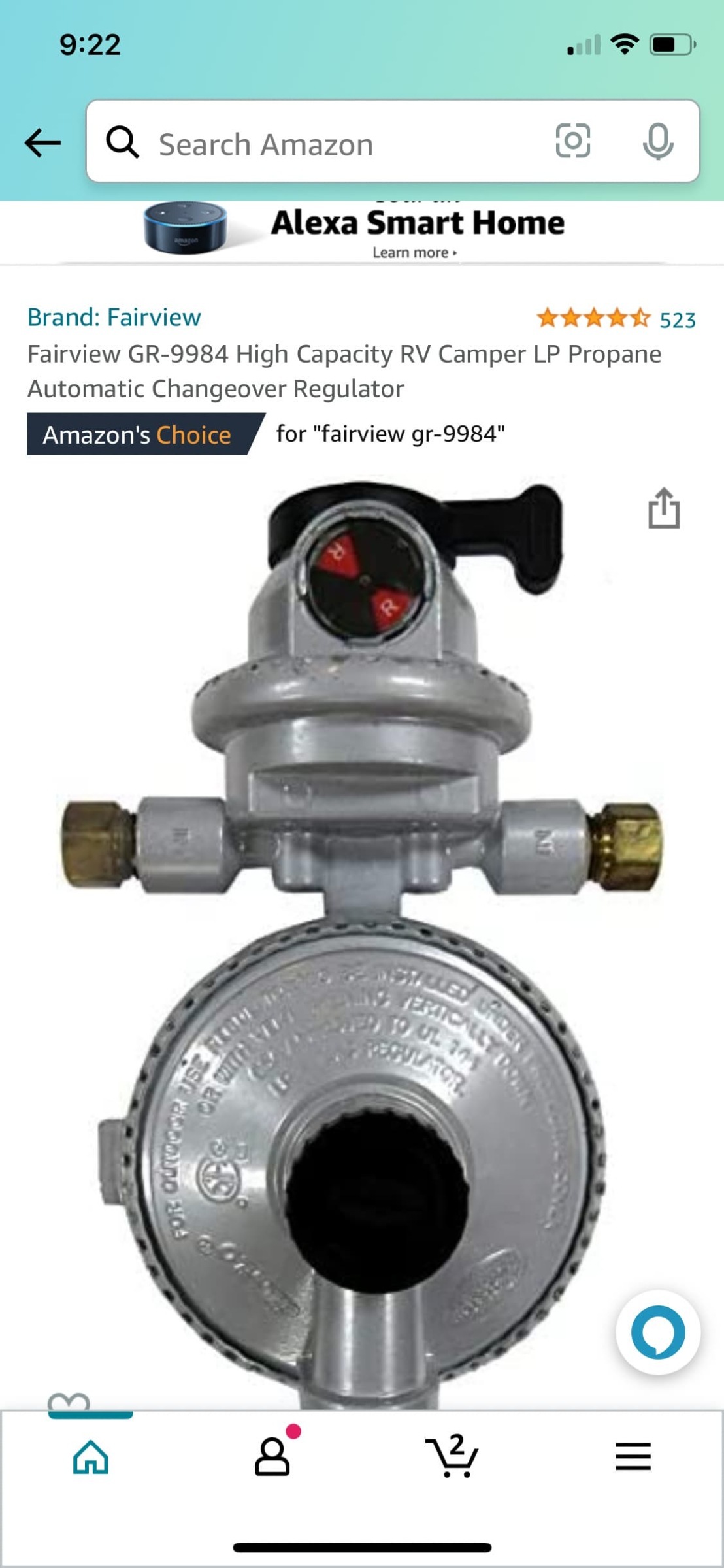
At its core, DHP makes the small brass-and-steel device that sits between an LPG cylinder and whatever is trying to burn its contents — propane regulators, butane regulators, LPG regulators, hose assemblies and brass fittings. In the FY24 revenue mix, LPG regulators and their parts were roughly 52%, articles of brass used as accessories about 34%, scrap sales around 9%, with the small remainder from licence sales and duty drawback.
It is an unglamorous, genuinely export-led product line: certified, decades old, and shipping mostly overseas. The trouble is that the manufacturing engine has been running in place. Sales compounded at about 0.59% a year over five years, and shrank around 13% a year over three. Operating profit for FY26 was ₹16 Cr on a 22% margin — respectable for the segment — but the five-year sales line is essentially flat.
Which is where the second, quieter business appears. DHP holds ₹182.59 Cr in equity mutual funds and ETFs, and switches between equity funds and gold/silver ETFs. In years when those markings go up, “profit” balloons; in years when they don’t, the regulator business is what’s left standing. The factory sells regulators; the balance sheet trades funds. Both are real. Only one is in the company’s name.
Does a 22% operating margin matter much when a single year’s fund revaluation can dwarf a decade of it?