1. At a Glance – The Quarter That Made the Market Blink
₹393 Cr market cap. ₹363 stock price. 100% YoY PAT growth. 21.1% EBITDA margin. P/E 14.5. ROCE 20.4%.
Ladies and gentlemen, this is not your average “plastic chair company.”
In Q3 FY26, Dhabriya Polywood delivered ₹65.66 crore revenue and ₹7.66 crore PAT, doubling profits year-on-year. EBITDA margin expanded to 21.1%, up 500 bps YoY. That’s not margin improvement. That’s margin gym transformation.
Despite this, the stock is down ~8.6% in 3 months and barely moved in 1 year. Market sleeping? Or just cautious?
Return on Equity stands at 19.8%, Debt-to-Equity at 0.48, interest coverage at 7.64 — not reckless, not timid. Just steady.
When a small-cap grows profits 100% and still trades at 14.5x earnings in an industry where peers sit at 30x–80x, you have to ask:
Is this undervalued…
Or is the market saying, “Beta, let’s see consistency first”?
Let’s investigate.
2. Introduction – From PVC Sheets to Profit Sheets
Founded in 1995, Dhabriya Polywood isn’t just making plastic products. It’s basically in the business of replacing wood. Their slogan might as well be: “Save trees, sell PVC.”
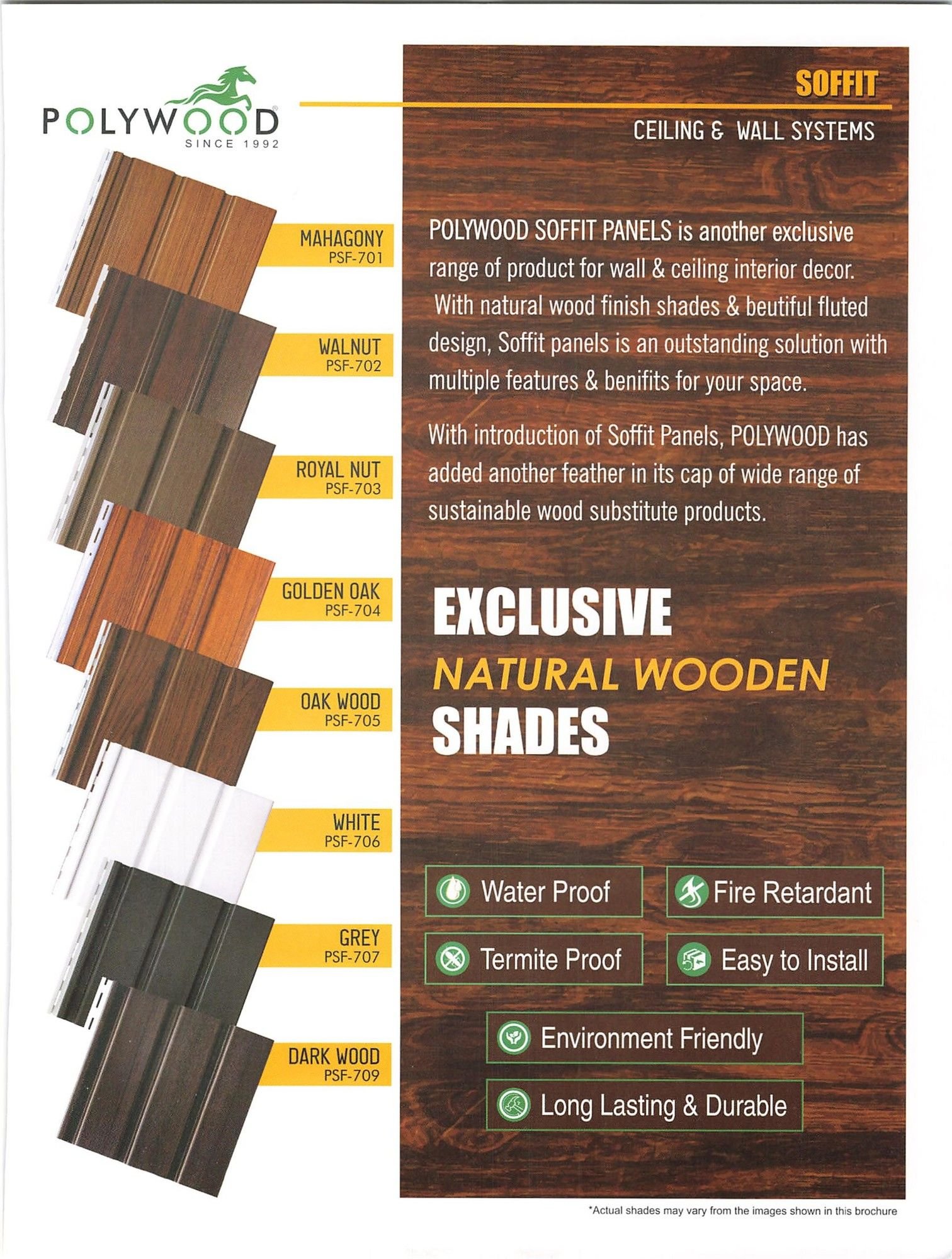
They manufacture uPVC profiles, doors, windows, modular kitchens, wall panels, SPC flooring — if it goes inside a house and isn’t edible, they probably make it.
The company operates under brands like:
- DSTONA (sheets, SPC wall panels)
- DYNASTY (modular kitchens & furniture)
- DYNCRON (home furniture)
- EVERLUXE (PVC doors & profiles)
Three manufacturing plants — two in Jaipur, one in Bangalore.
500+ channel partners.
98% domestic revenue.
Dealer network contributes 60–65% revenue.
This is not an export story. This is a pure India housing consumption story.
And housing demand? That’s where things get interesting.
But before we romanticize growth, let’s decode what they actually do.
3. Business Model – WTF Do They Even Do?
Imagine a builder constructing a new housing project.
They need:
- Windows
- Doors
- Kitchen cabinets
- Wall panels

One Response
👍