Defrail Technologies IPO FY26 – ₹14 Cr Issue, ₹52 Cr Market Cap, 17× P/E: Small Rubber, Big Promises, Bigger Questions
1. At a Glance – Small Cap, Big Confidence, Rubber Meets Road
Defrail Technologies Limited walks into Dalal Street wearing a crisp SME suit and shouting, “I make rubber, trust me.” With a pre-IPO market capitalisation of ₹51.98 crore, a price band of ₹70–₹74, and an issue size that barely stretches past ₹13.77 crore, this is not a mammoth IPO. It’s a tight, compact, Faridabad-born manufacturing story that smells of EPDM rubber, diesel hose pipes, and a promoter family that clearly believes scale comes later, confidence first.
The IPO is a pure fresh issue, meaning promoters are not exiting through the back door with suitcases. Promoter holding drops from 100% to 73.52%, which is dilution but not betrayal. At the upper band, post-IPO P/E sits at ~17.25×, which for an SME manufacturing company is neither dirt cheap nor scandalously expensive — it sits awkwardly in the “prove yourself first” zone.
Retail investors are asked to cough up ₹2.36 lakh minimum, which itself filters out casual punters. Subscription on Day 1 sat at 0.80×, with retail already crossing 1.22× while QIBs decided to sit on their hands like strict parents at a shaadi. The business claims automotive, railways, and defence exposure — basically everything that moves, stops, or explodes safely.
So the obvious question: is this a steady rubber supplier or another SME that hardens briefly and then cracks under public market pressure?
2. Introduction – From Local Rubber to Public Markets
Defrail Technologies Limited is not a startup born in a WeWork with a PowerPoint and dreams of disruption. Its roots go back to 1980, when Vikas Rubber Industries began operations, followed by Impex Hitech Rubber in 2008. These legacy businesses were finally stitched together into one listed avatar on April 1, 2024, through Business Transfer Agreements.
This IPO is less about “new business” and more about “formalising decades of hustle.” That matters. Companies that have survived multiple auto cycles, policy changes, GST chaos, and labour tantrums usually know where the financial bodies are buried.
The timing, though, is interesting. Rubber components is a margin-sensitive business. Raw material prices swing, OEMs negotiate like sharks, and payment cycles can stretch like old elastic bands. Defrail still chose to go public, asking the market to fund machinery expansion and solar panels — not losses, not debt repayment, not promoter exits.
But here’s the catch: the company is still tiny in absolute numbers. FY25 income at ₹62.22 crore, PAT of ₹3.42 crore, and margins that are decent but not glorious. This is a company listing early in its consolidation phase, not after becoming a sector bully.
So before excitement kicks in, investors need to ask: are we buying a stable rubber supplier… or a work-in-progress factory floor?
3. Business Model – WTF Do They Even Do? (Rubber, Not Elastic Stories)
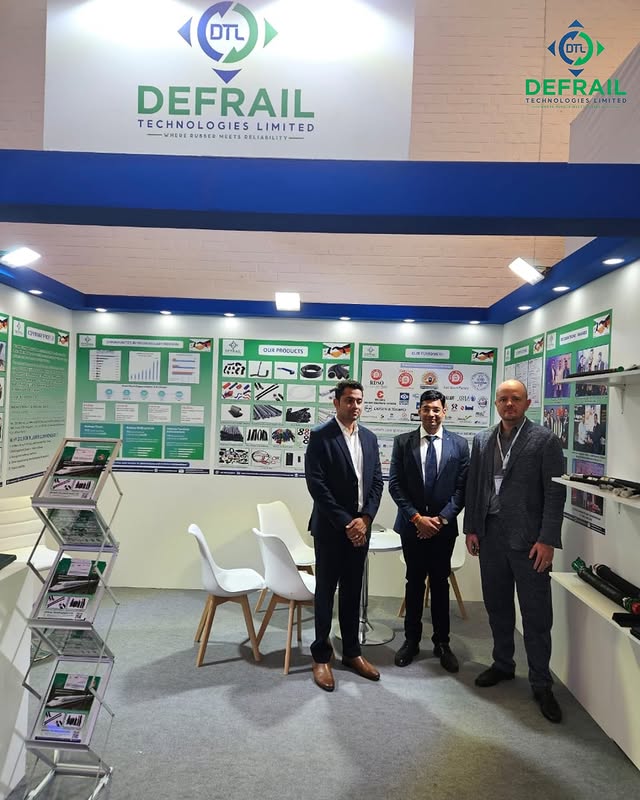
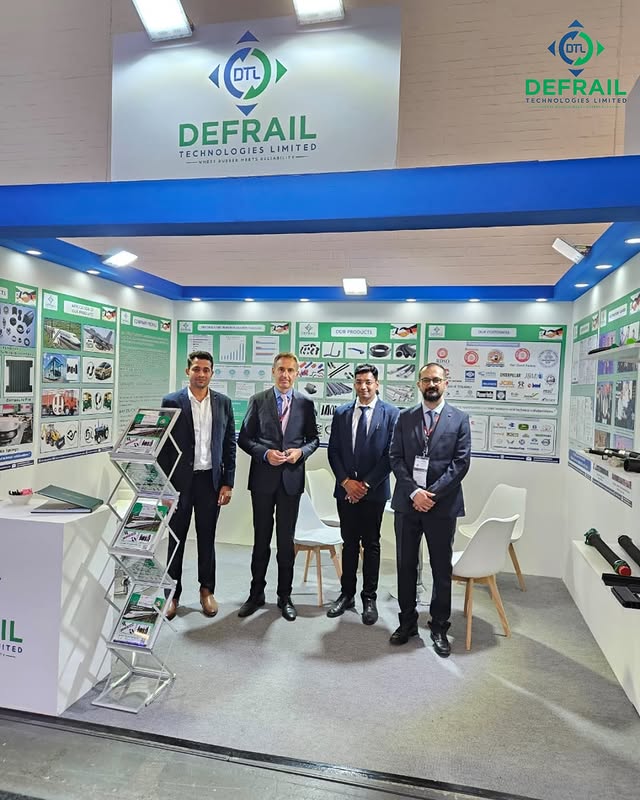
Defrail Technologies manufactures rubber parts and components — the unglamorous heroes of industrial life. No one posts Instagram reels about hose pipes, but without them, engines overheat, trains leak, and defence equipment becomes expensive scrap.
The company’s product bouquet includes diesel and petroleum hose pipes, LPG hoses, nylon tubes, gaskets, grommets, air intake hoses, EPDM profiles, sponges, and