At a Glance
The sweet scent of success in the sugar industry is starting to smell a bit like burnt caramel for certain heavyweights. We are looking at a leading integrated player that has historically been the “fastest-growing” darling of the sector, but the latest numbers tell a story of high-pressure steam and thinning syrup.
While the top line remains robust, crossing milestones that only a few in the industry can claim, the bottom line is screaming for help. In the latest quarter, Net Profit plummeted by a staggering 47% YoY, dropping from ₹199 crore to ₹105 crore. This isn’t just a minor fluctuation; it is a significant erosion of value that should have every investor squinting at the fine print.
The company is currently navigating a perfect storm: rising State Advised Prices (SAP) for sugarcane which inflate costs, and a stagnant Ethanol pricing regime that refuses to budge despite the industry’s desperate pleas. Even though the company achieved its highest-ever average sugar realization of ₹39.7/kg for the full year, the costs are running faster than the revenues.
Furthermore, the Return on Equity (ROE) has slipped to a mediocre 7.34%, and Return on Capital Employed (ROCE) stands at a dull 8.30%. For a company with a massive ₹1,740 crore debt pile, these returns barely cover the cost of capital. The “integrated model” was supposed to be the shield against industry cyclicality, but right now, the shield looks heavily dented.
Investors are piling in because the stock trades at a Price-to-Book (P/B) of 0.96, making it look like a bargain. But is it a value buy or a value trap? With the CFO resigning just months ago and a massive tax assessment order of ₹42.54 crore hanging over their heads, the “At a Glance” view is more “At a Red Flag” warning.
Introduction
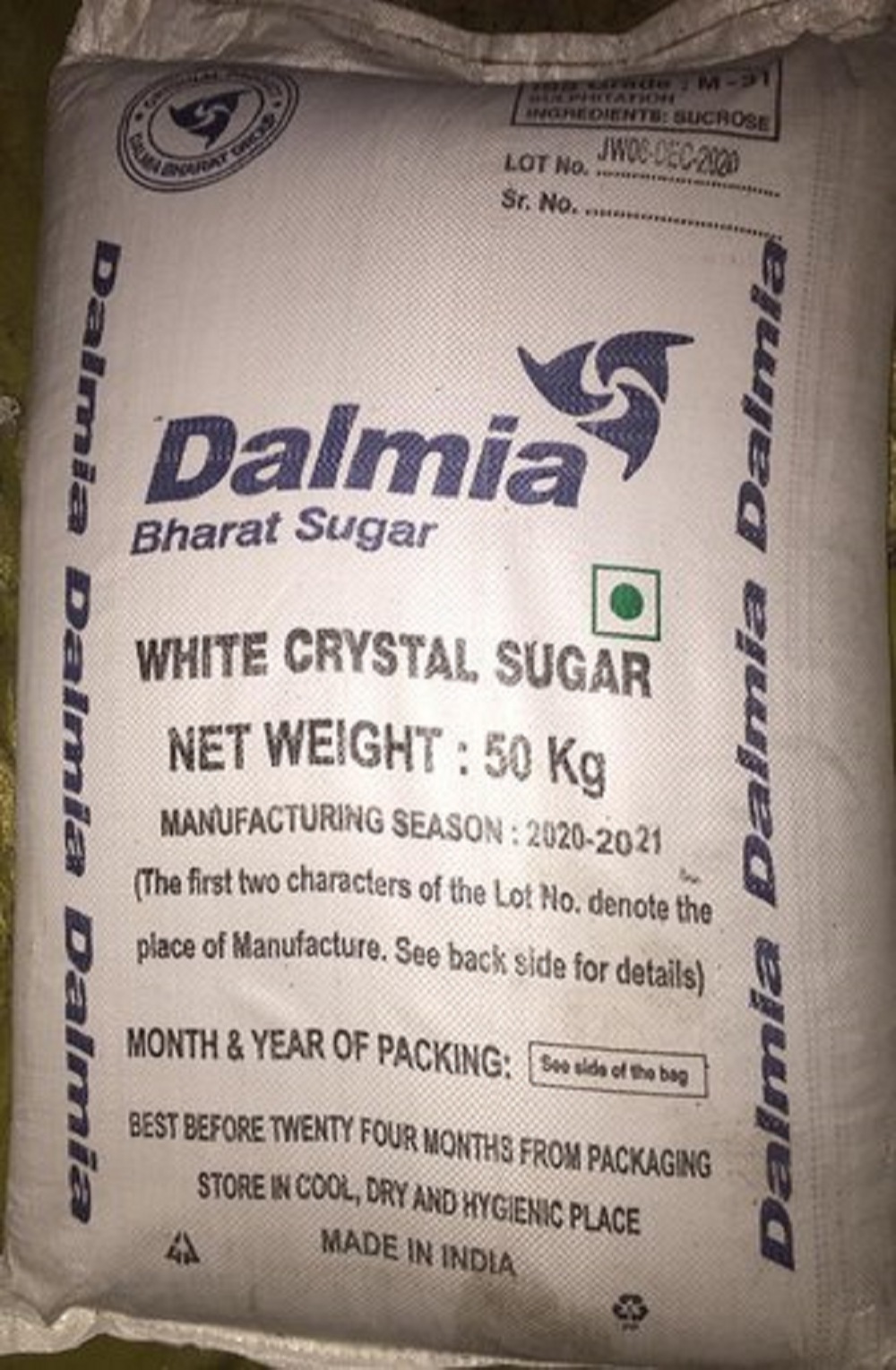
Welcome to the complex, sticky, and highly regulated world of Indian sugar. We are dissecting a titan that has evolved from a single mill in 1994 to a multi-state powerhouse with a crushing capacity of 43,200 TCD. This company isn’t just selling sugar to your local kirana store; it is the preferred supplier to global giants like Coca-Cola, PepsiCo, Mondelez, and Britannia.
However, being a partner to the world’s biggest brands doesn’t exempt you from the harsh realities of Indian agriculture. The company operates in the two most critical sugarcane belts: Uttar Pradesh and Maharashtra. While this provides geographical de-risking, it also means doubling down on the regulatory headaches of two different state governments.
The recent transition in the top brass, specifically the appointment of a new CFO in March 2026, suggests a company trying to tighten its belt. They are betting big on Digitalization, Automation, and Artificial Intelligence to squeeze out efficiencies where the market won’t give them price.
But as the latest fiscal year results show, even AI can’t fix a raw material price hike mandated by the government or a fixed selling price for ethanol that hasn’t seen a meaningful revision in ages. We are diving deep into the balance sheet and the P&L to see if this sugar giant is truly “future-ready” or just running out of steam.
Business Model – WTF Do They Even Do?
If you think this is just a company that crushes cane and bags sugar, you’re stuck in the 1990s. They are essentially a biorefinery. They take sugarcane and split it into three main streams:
- Sugar: The classic white crystals. They sell 67% of their output here.
- Distillery (Ethanol & Alcohol): They turn molasses (the byproduct) or direct cane juice into ethanol for the 20% blending mandate. This is 23% of their revenue and was supposed to be the “growth engine.”