D P Wires Ltd Q2 FY26 – From Steel Wires to Thin Margins: When Industrial Metal Meets Industrial Meltdown
1. At a Glance
Welcome to the curious case of D P Wires Ltd (DPWL) — a ₹314 crore market-cap smallcap wire-spinner from Ratlam, MP that seems to be conducting electricity in all directions except towards its profit line. The stock is currently lounging at ₹203 per share, down 46% in the past year, proving once again that gravity applies to both steel and stock prices.
DPWL manufactures specialized steel wires, plastic films, and even generates power through two windmills (because why not?). Despite being almost debt-free (₹2.19 crore) and flaunting a clean balance sheet, the company reported a profit nosedive of 80% QoQ in Q2 FY26, clocking in at just ₹1.2 crore.
Margins? Thinner than the wire they manufacture — an OPM of 0.10% for the quarter, versus a comfortable 4–6% in earlier times. EPS collapsed to ₹0.77 from ₹2.32 last quarter, while sales fell to ₹130 crore from ₹137.8 crore. With ROE at 9.36% and ROCE at 12.5%, it’s clear this smallcap steel player has hit a speed bump on its expressway of growth.
But can DPWL’s multi-division structure — wires, plastics, trading, and wind energy — cushion it from industry headwinds, or is this a classic “diversify till you mystify” situation? Let’s unravel.
2. Introduction
DP Wires Ltd is like that friend who tries to do everything — gym, guitar, crypto, and a startup — and ends up exhausted but impressive. Incorporated in 1998, it deals in steel wires, plastic films, trading, and even wind power generation. Basically, anything that can be wound, stretched, or spun — they’ll make it.
Despite being in a cyclical commodity segment, DPWL managed a consistent revenue rise until FY23 when it clocked ₹1,216 crore in sales. However, FY25 saw a dramatic reversal with just ₹621 crore, and the trailing twelve months (TTM) now sit at a modest ₹549 crore — a 31% drop from last year.
The market isn’t kind either. From a high of ₹405, the stock has halved, proving that investors have less patience for melting profits than for melting steel. Still, the company boasts over 100 clients including L&T, Hindalco, Simplex, APCO, and others — so clearly, someone trusts their wire strength even if the Street doesn’t.
But here’s the catch — 52% of their FY23 revenue came from trading, not manufacturing. So while they brand themselves as industrial producers, half of what they earn is from flipping goods. Makes you wonder — is DPWL a manufacturer with a trading hobby, or a trader who moonlights as a manufacturer?
3. Business Model – WTF Do They Even Do?
DPWL’s business model can be best described as an industrial buffet — steel wires, plastic films, electricity from wind, and some trading for dessert.
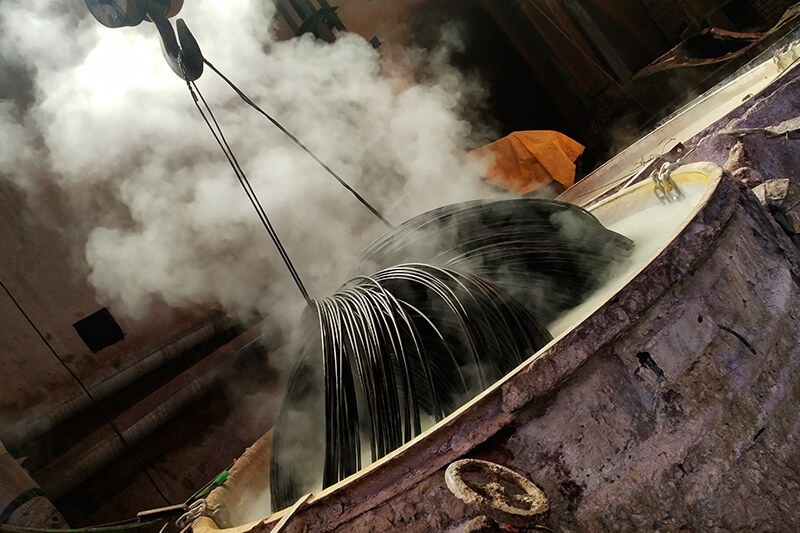
Wire Division: The core business. Think LRPC strands (used in bridges, metros, bullet trains), spring steel wires, and induction tempered wires. Basically, if it bends but doesn’t break — they’ve probably made it.
Plastic Division: Produces PVC and HDPE geomembrane sheets used in water reservoirs, tunnels, and landfill linings.
Windmill Division: Two 0.8 MW turbines in Jamnagar generate power sold to Gujarat Urja Vikas Nigam under a 20-year PPA.
Trading Division: Deals in wire rods, G.I. wires, and plastic granules — essentially trading in the same stuff they manufacture.
The Ratlam facility can produce ~1 lakh MT per annum, and the company serves heavy hitters like L&T and Hindalco. It’s even an approved supplier for India’s Bullet Train and Metro Projects, which sounds glamorous until you see their OPM drop below 1%.
So yes — they’re industrial, diversified, and connected to India’s infrastructure story. But diversification without profitability is like adding new apps on a slow phone — it looks impressive till it hangs.