ALL SECTIONS
Copper and cocoa: the new geography of power
A surge in copper along with record cocoa prices are seeing the global economic map being redrawn. In the post-oil world, the path to power runs through mines and plantations, not pipelines
  
 
Featured | Markets
Author: Indrabati Lahiri, Features Writer
Top 5
- Top 5 female-fronted fintech firms
- Top 5 Latin American tech hubs
- Top 5 sustainability pioneers in Europe
- Top 5 keys to global economic recovery
- Top 5 WFH habits, according to the world’s most successful business leaders
- Top 5 pandemic-proof industries
- Top 5 countries to be world’s next manufacturing hubs
- Top 5 most influential and inspirational US economists
- Top 5 ways to boost employee engagement and commitment
- Top 5 financial services that are ripe for automation
- Top 5 ways that GDPR has impacted digital banking
- Top 5 emerging fintech hubs across the globe right now
- Top 5 ways that the finance industry can prepare for AI
- Top 5 economic risk factors that must be considered
- Top 5 tips for retailers looking to sell into Chinese market
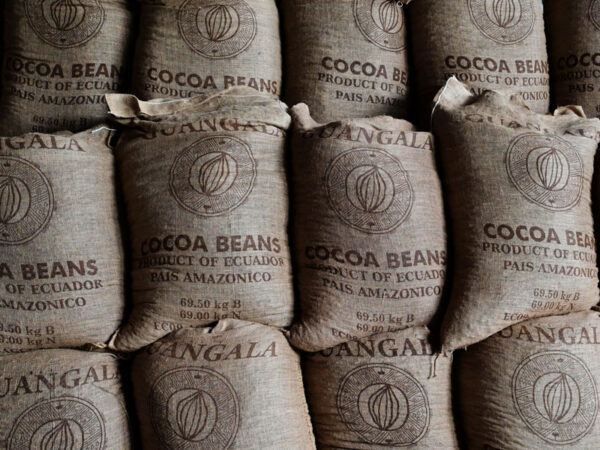
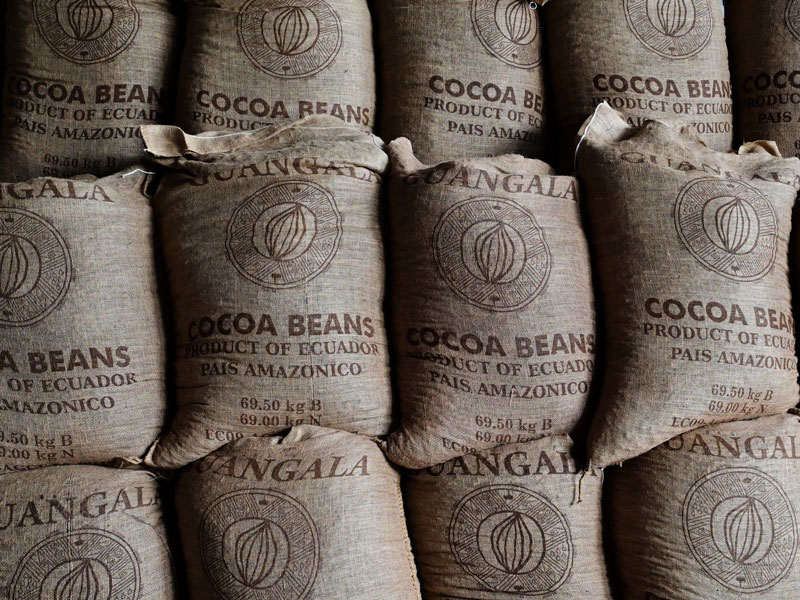
As climate change and the green transition gather momentum in 2025, unlikely commodities such as copper and cocoa are now reshaping global economic stability the way oil once did. Copper prices have surged more than 20 percent so far this year, driven by supply crunches, green infrastructure and data centre demand. Similarly, cocoa has seen extreme price volatility, due to African climate shocks, hitting record highs in early 2025, before plummeting almost 50 percent.
Together, they highlight a broader geopolitical shift away from fossil fuels towards essential commodities and natural resources. With copper driving the energy transition and cocoa shaping food supply chains and ethical trade, they have become the dual bellwethers of a changing world order.
They also represent how resource power and strategic assets are increasingly concentrated in the Global South, in West Africa’s cocoa heartlands and Latin America’s copper belt. In many ways, copper and cocoa are now the ‘new oil’ – strategic, scarce and representative of both innovation and global inequality.
Underpinning the climate transition
Copper is essential to electrification, being used in electric vehicles, solar panels, wind turbines, hydropower plants, grid upgrades and more. Demand for copper from data centres, where it is used in cooling systems, internal connectivity and power systems, has increased exponentially, supported by the surge in artificial intelligence.
According to the International Energy Agency (IEA), copper demand could hit 31.3 million tonnes by 2030, a considerable increase from 2021’s approximately 24.9 million tonnes. “China’s massive grid expansion and urban development have been the single largest recent driver of copper demand. Continued Chinese industrial stimulus and infrastructure spending are therefore key factors underpinning copper prices,” António Alvarenga, Professor of Strategy and Entrepreneurship at Nova School of Business and Economics, explained. He added: “However, copper mine output has grown only about one to two percent annually, despite rising demand, and new projects take around 15–17 years to develop.”
Copper production is highly concentrated in Zambia and Democratic Republic of Congo, along with Latin America’s copper belt, including Chile and Peru. “This concentration of resources is quietly reshaping global alliances, as countries compete to secure long-term access, much like the oil geopolitics of the 20th century,” Sunil Kansal, head of Consulting and Valuation Services at Shasat Consulting, said.
Copper and cocoa mark a shift to the commodities of the future, scarce and economically resilient
As such, any mine accidents in these key countries can have a profound impact on