Concord Drugs Ltd Q2 FY26 – When Pharma Meets Drama: From SEBI Penalties to Preferential Parties and 280% Profit Surges
1. At a Glance
Concord Drugs Ltd (BSE: 538965) – the ₹73.5 crore market cap microcap pharma company from Hyderabad – has decided to remind everyone that smallcaps can throw the wildest parties in Dalal Street. The stock, priced at ₹73.5, has sprinted 93.5% in a year, cooled a bit with just 7% gain in the last three months, and somehow maintained a P/E ratio of 139, which even ChatGPT thinks is optimistic for a ₹0.53 crore annual profit maker.
The latest Q2 FY26 (Sep 2025) results scream comeback – Revenue ₹10.07 crore, down 15% QoQ but PAT jumps 280% QoQ to ₹0.19 crore. This is what happens when pharma meets jugaad-level cost control. Operating margins danced back to 10%, while interest coverage stayed shy at 1.54x, meaning the bank manager still doesn’t smile when Concord calls.
Promoters hold 54.39%, debt is ₹14.9 crore, ROE barely blinks at 0.88%, and ROCE rests at 4.73%. Yet, the market loves a turnaround story. After all, who doesn’t like a ₹36 crore preferential allotment and a SEBI penalty subplot?
2. Introduction
Concord Drugs Ltd is that underrated actor in the Indian pharma film – sometimes blurry, often dramatic, but refuses to leave the screen. Founded in 1995, the company manufactures licensed drugs based on approved formulations, with a sprawling product mix that includes pellets, syrups, injectables, and more chemistry than a Bollywood breakup song.
After years of dull performance, the FY25–26 saga is spicy: SEBI fined them ₹1.07 crore in 2023, the board approved ₹19.87 crore preferential issue, and recently in November 2025, they allotted 31.75 lakh equity shares and 20.25 lakh warrants at ₹36.3 each, pulling in ₹18.88 crore. For a company of this scale, that’s like a blood transfusion after a marathon.
Financially, it’s not breaking records, but Concord is learning to survive. Sales have dropped from ₹58.9 crore in FY22 to ₹42.2 crore in FY25, but margins have crept up to 9.96%. With a PEG ratio of -3.25, valuation logic here works like Bollywood logic—if it feels good, just go with it.
In short: a tiny pharma firm juggling penalties, fund raises, and mild profitability while trying to stay relevant in a billion-rupee industry. The vibe? Chaotic good.
3. Business Model – WTF Do They Even Do?
Concord Drugs manufactures pharmaceutical formulations, both oral and injectable, across multiple dosage forms. Basically, they produce everything your chemist hands over when your doctor writes illegible Latin.
Their portfolio spans:
Ready-to-fill Pellets – those tiny spherical heroes used in controlled-release meds.
MUPS (Multiple Unit Pellet Systems) – the type that big pharma loves to outsource.
Tissue Bio Adhesive – the pharma equivalent of “Fevikwik for surgeons.”
Injectables (SVPs) – used for hospitals and clinical chains.
Tablets, Capsules, Syrups, Suspensions, Dry Syrups – your everyday essentials in pharmaceutical form.
Revenue entirely comes from finished goods, not trading or intermediates. This is a proper manufacturing play, not a re-labelling hustle.
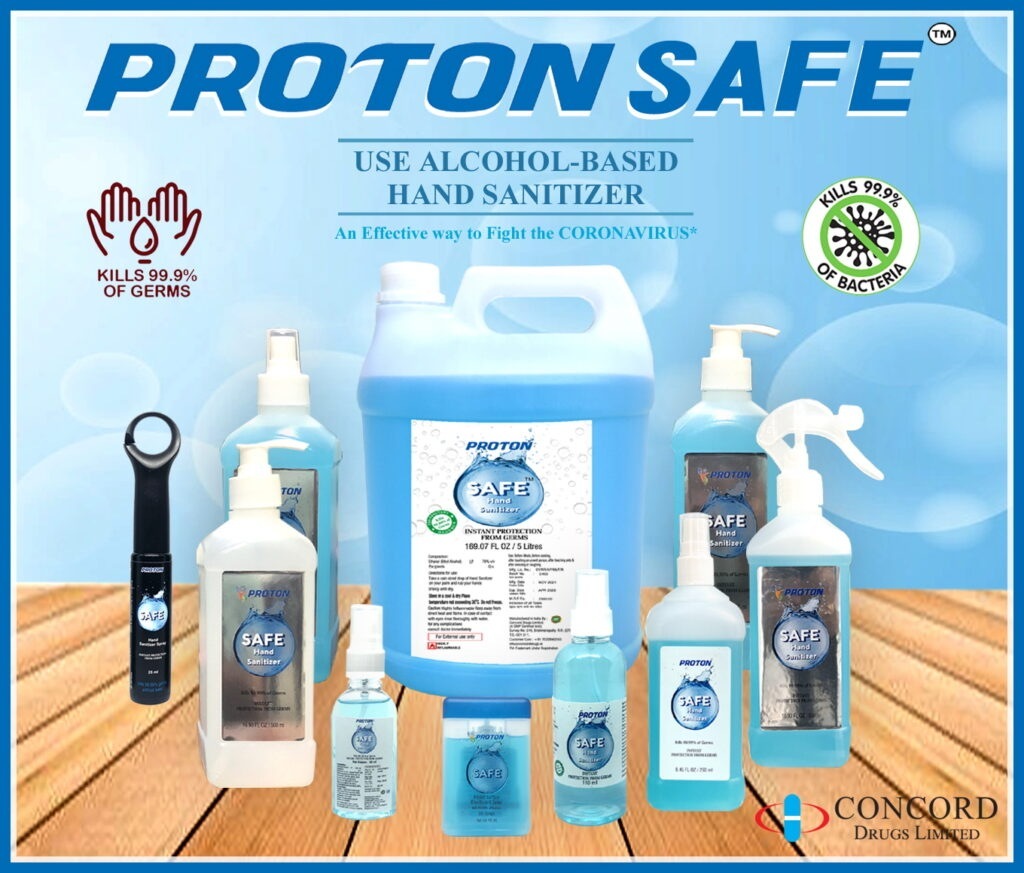
But the business model is fragile—limited product scale, domestic market dependence, and low pricing power. The company’s focus now seems to be on expansion via Proton Remedies Pvt Ltd acquisition (funded by those 2022 warrants).
So, what’s the secret sauce? Concord’s real skill lies in surviving decades with wafer-thin profits and still managing to raise funds. It’s pharma, but with the resilience of a South Indian serial protagonist.
4. Financials Overview
Let’s compare Q2 FY26 (Sep 2025) vs YoY and QoQ.
Source table
Metric
Latest Qtr (Sep 2025)
YoY Qtr (Sep 2024)
Prev Qtr (Jun 2025)
YoY %
QoQ %
Revenue
₹10.07 Cr
₹11.84 Cr
₹13.38 Cr
-14.95%
-24.73%
EBITDA
₹1.01 Cr
₹0.79 Cr
₹0.94 Cr
27.8%
7.4%
PAT
₹0.19 Cr
₹0.05 Cr
₹0.11 Cr
280%
72.7%
EPS (₹)
0.19
0.05
0.11
280%
72.7%
Annualised EPS = ₹0.19 × 4 = ₹0.76 At ₹73.5 per share, the implied P/E = 96.7x on annualised earnings – and that’s being generous.
Commentary: Concord’s income statement looks like a seesaw. Sales fell, profits jumped, margins stabilized.