Coastal Corporation Ltd FY26: Shrimp & Ethanol, a ₹971 Cr Bet on Two Boats
Spotted a factual error — a wrong number, date, or fact? Tell us and we will check the source.
General information and entertainment, not investment advice. The author is not a SEBI-registered adviser or research analyst. No recommendation, no promised returns. Markets carry risk including loss of capital. Figures may not be current. Consult a registered adviser before acting.
1. At a Glance
Coastal Corporation processed and shipped shrimp across twelve countries in FY26, landing ₹971 Cr in consolidated revenue—up 55% from ₹628 Cr a year prior.
The company sits astride two unequal boats: a seafood export business running at 6% margins (₹60 Cr EBITDA) and a newly operational ethanol subsidiary throwing off 10.4% margins (₹25 Cr EBITDA) from a 198 KLPD plant in Odisha.
Net profit surged to ₹27 Cr from ₹4.5 Cr in FY25—arithmetic that flatters the picture. Strip out the ethanol startup gains and the core business trails sideways. Cash from operations fell ₹20 Cr into negative ground. Debt climbed to ₹481 Cr against a market cap of ₹344 Cr.
A company mid-remake, watched for whether the new leg sustains or the old one decays faster.
2. Introduction
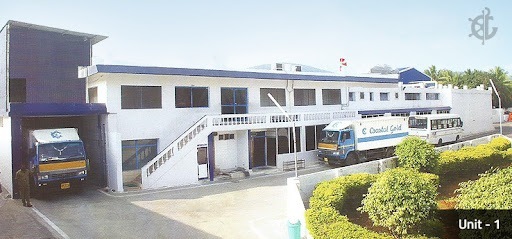
Coastal Corporation was incorporated in 1981 as a trawler outfit, pivoted to shrimp processing and export in 1993, went public in 1986, and spent the last thirty years assembling three processing units across coastal Andhra Pradesh with a stated 71 MTPD capacity.
In 2021, the board greenlit a grain ethanol subsidiary (Coastal Biotech) at a ₹156 Cr outlay in Odisha. The plant started trial runs in March 2025, hit commercial production in May 2025, and landed a government allocation of 56,521 KL for the Ethanol Blending Program in October 2025.
The same board approved another ₹350 Cr ethanol plant (300 KLPD) in Odisha on 30 May 2026, to be funded by promoter equity and debt—signaling confidence that grain ethanol is now a core bet.
A rights issue in 2023 added ₹43 Cr to the till. Shareholding is 42.3% promoter, 1.04% FII, 1.03% DII (newly added via Golden Bird Investment Trust), and 55.6% public.
3. Business Model: WTF Do They Even Do?
Coastal Corporation does three things: source, process, and export aquaculture shrimp; operate a subsidiary that makes ethanol from grain; and lately, own a dormant US subsidiary (Seacrest Seafoods Inc.) that the auditor flagged for a ₹25 Cr impairment in November 2025.
Shrimp: The core business buys raw stock, freezes it in Plate Freezer, IQF (Individually Quick Frozen), or Cooked forms, and sells to global retailers under house brands (Coastal, Coastal Premium, Coastal Gold, Jewel, President). Vannamei and Black Tiger varieties. Products range from headless shell-on to peeled-deveined butterfly to cooked easy-peel—a product matrix tuned to customer demands in 12 countries across three continents.
Capacity sits at roughly 71 MTPD across three units in Andhra Pradesh. A fourth unit (12 MTPD) is planned in Odisha but delayed.
FY26 shrimp sales realization stayed at ₹7.15 lakh/MT—flat to FY25—while shrimp production volume jumped to 9,329 MT from 6,303 MT, signaling a capacity unlock or sourcing squeeze upward.
Ethanol: The 198 KLPD plant in Odisha burns grain (maize, broken rice, etc.) into neutral spirits. The government’s Ethanol Blending Program targets 30% ethanol in petrol by 2030, down from 5% currently. The company landed a 2025-26 allotment worth ₹362 Cr at realized prices and expects the allocation to tick upward each year.
Gross margins on ethanol (10.4%) beat shrimp (4.85%) by a gulf. Capital intensity is high. But the math scales: if ethanol grows to half of consolidated revenue in three years, the business fundamentally rerates on a different multiple.
Risk: Concentration. USA accounts for 84% of shrimp revenue. A 26% US tariff on Indian shrimp landed in April 2025. India negotiated a 10% tariff reduction in the same month. Net effect: margin tightness and volume uncertainty in the largest market.
4. Financials Overview
Figures are consolidated, in ₹ crore.
Metric
Latest (FY26)
YoY Change
FY25
Revenue
971
+55%
628
EBITDA
61
+155%
24
Net Profit
27
+495%
4.5
EPS
3.98
+494%
0.67
The headline leap in profit masks a clean split: ethanol posted ₹14 Cr PAT on ₹242 Cr revenue in FY26, while the core seafood business (including subsidiaries Continental and Seacrest) notched ₹13 Cr on ₹729 Cr.
Seacrest (the US subsidiary) was loss-making and triggered a non-cash ₹25 Cr impairment charge in November 2025. Management proposed a merger to fold it back into Coastal Corp, likely a cleanup move.
FY26 also saw ₹24.6 Cr of other income—interest, rentals, and forex gains. Strip it out, and PAT slides to ₹2 Cr. Management and the Screener analyst commentary flag this as capitalized interest; the cash reality is grimmer than reported.
Q4 FY26 snapshot: Sales ₹325 Cr, Net Profit ₹9.9 Cr, marking a rebound from Q3’s ₹3.7 Cr but arriving after three quarters of thin returns. Operating margin in Q4 was 4.97%, up from Q3’s 6.98% and Q2’s 8.76%—volatility that screams seasonal and mix-driven, not structural improvement.
5. Market Expectations & Historical Multiples
This section describes how the market is currently pricing the company and how that compares with its own history and peer group. It is descriptive, not predictive.
Metric
Current
5-Yr Average
Peer Median
P/E
12.9
—
18.9
EV/EBITDA
8.9
—
—
ROE
9.76%
4.53%
—
ROCE
9.63%
5%
11.7%
Debt/Equity
1.70
—
—
The market pays 12.9x earnings here, a 32% discount to the peer median of 18.9x. Coastal’s five-year median ROCE (5%) lags peers (11.7%), suggesting the discount reflects a return premium demanded by equity holders.
The company’s return on equity—9.76% last year, 4.53% over three years—sits below the cost of capital (debt