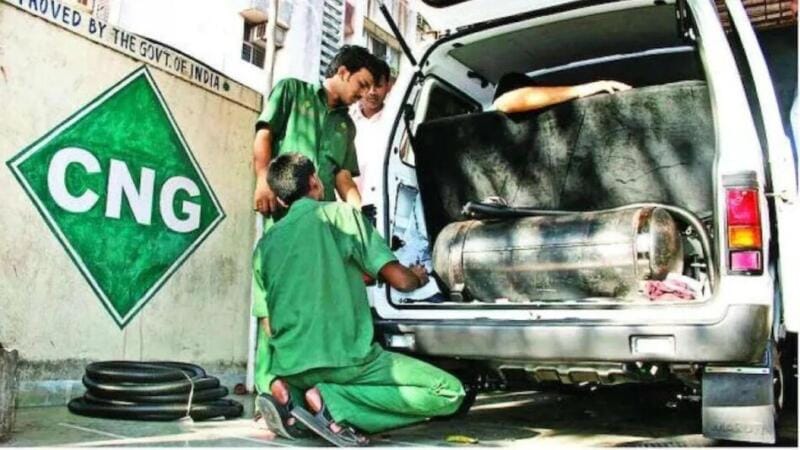
In a groundbreaking move aimed at making natural gas more accessible across India, the Petroleum and Natural Gas Regulatory Board (PNGRB) has proposed significant changes to pipeline tariff regulations. These changes are set to revolutionize the cost of transporting natural gas, especially benefiting city gas distribution entities, and in turn, impacting consumers who rely on compressed natural gas (CNG) for their vehicles and piped natural gas (PNG) for household cooking.
What’s Changing?
Historically, the tariffs for natural gas transportation have been higher for consumers located farther from the gas source. However, the new policy proposed by PNGRB aims to simplify the structure. The revised tariff system reduces the number of zones for tariff classification from three to two, with a unified tariff applying to all CNG and PNG-Domestic users nationwide, irrespective of their distance from the gas source. This means that CNG used for vehicles and PNG for households will be charged at the lowest rate (Zone 1 tariff), regardless of geographical location.
Why CNG Stands to Gain
For years, consumers in remote areas faced higher CNG prices due to the distance from gas fields or LNG import terminals. With this new regulation, CNG operators in far-flung regions can now pass on the benefit of reduced tariffs to customers, leading to a potential reduction in the price of CNG for consumers across India.
The reduction in tariff charges is expected to