Chembond Material Technologies FY26: Revenue Up 24%, Profit Down 26% — And The Gap Is Almost Entirely Non-Operating Income
Spotted a factual error — a wrong number, date, or fact? Tell us and we will check the source.
General information and entertainment, not investment advice. The author is not a SEBI-registered adviser or research analyst. No recommendation, no promised returns. Markets carry risk including loss of capital. Figures may not be current. Consult a registered adviser before acting.
1 — At a Glance
Chembond Material Technologies closed FY26 with revenue of ₹250 Cr, up 24% from ₹201 Cr. The same year, net profit moved the other way — ₹12.89 Cr against ₹17.56 Cr, a 26% fall. Two arrows pointing opposite directions in the same income statement usually have a single explanation, and here it sits one line down: other income collapsed from ₹9.12 Cr to ₹0.80 Cr. Operating profit actually rose, from ₹14 Cr to ₹19 Cr.
This is a company freshly cut in half. A composite scheme demerged the Construction Chemicals and Water Technologies businesses into a separate entity, leaving Chembond with Metal Treatment and Animal Health and roughly ₹201 Cr of FY25 scale where the old consolidated whole did ₹462 Cr. CRISIL responded by trimming the long-term rating to BBB/Stable from BBB+.
So the number to hold is this: a 24% revenue line and a 26% profit line, with the bridge between them built almost entirely out of money that isn’t the business. The market caps the whole thing at ₹247 Cr.
A company can grow sales and shrink profit in the same twelve months without anything operationally breaking — the income statement has more than one floor. The rest of this entry walks each floor.
2 — Introduction
Chembond was set up in 1974 and listed under BSE code 530871. For most of its life it was Chembond Chemicals Limited, a diversified specialty-chemicals group spanning water treatment, construction chemicals, coatings, adhesives and animal health. That description is now historical.
Through a Composite Scheme of Arrangement sanctioned by the NCLT on April 7, 2025 and made effective from April 1, 2024, the Water Technologies and Construction Chemicals businesses were carved out into Chembond Chemical Specialties Limited, while three private entities were amalgamated inward. The renamed Chembond Material Technologies Limited keeps two segments: Metal Treatment chemicals and, through wholly-owned subsidiary Chembond Biosciences, Animal Health and nutrition products.
The restructuring is why the financial history reads strangely. Consolidated revenue shows ₹440 Cr for FY23, then ₹178 Cr for FY24 — not a collapse, but a redrawing of the boundary. FY24 onward reflects the slimmer continuing entity. Reading across the demerger line as if it were one continuous business is the first trap this entry avoids.
Alongside the split, May 2025 brought board churn: Nirmal V. Shah stepped down as Vice-Chairman and MD, Jayant Tawade joined as Executive Director, and the statutory auditors changed.
3 — Business Model: WTF Do They Even Do?
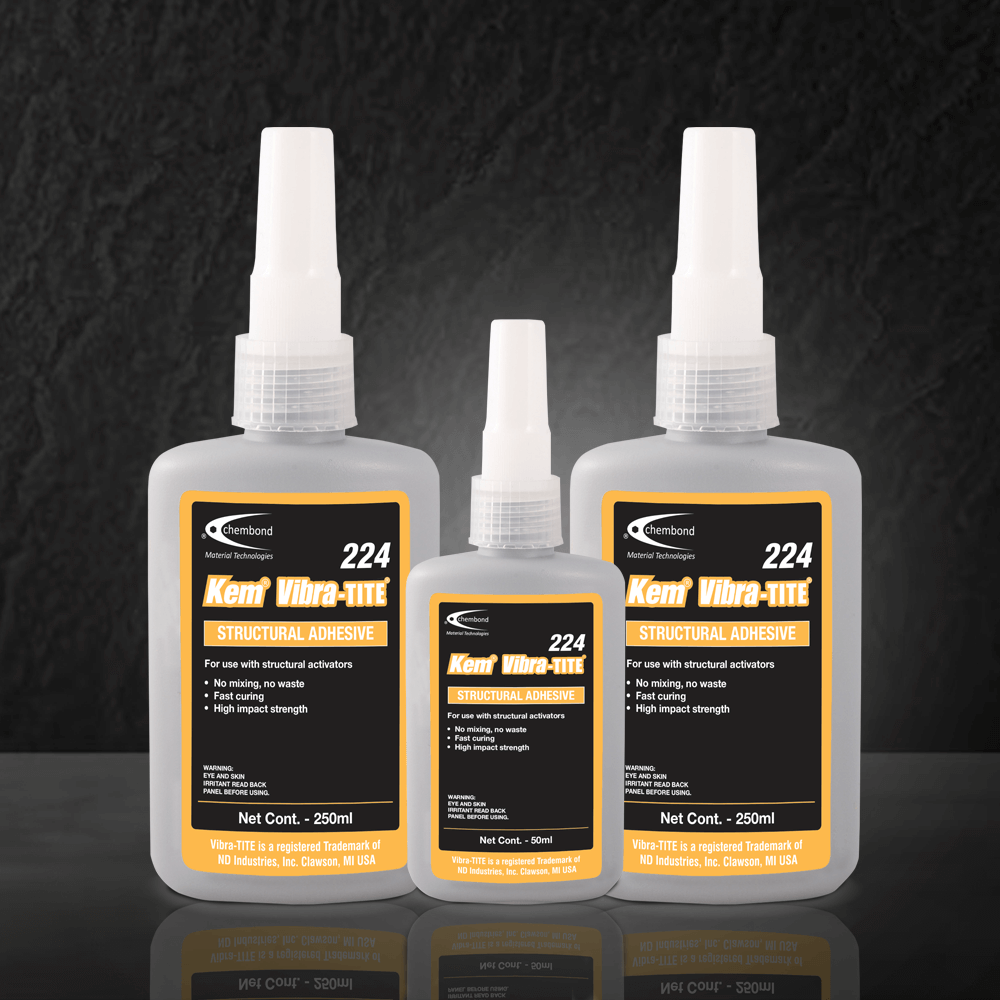
Chembond makes chemicals that other factories need before their actual product exists. Metal treatment chemicals prepare and protect surfaces; automotive sealants, engineering adhesives and high-performance coatings go into things being assembled by somebody else. It is a supplier to suppliers — the company whose name never appears on the box but whose chemistry is somewhere inside it.
The second leg, Animal Health, runs through Chembond Biosciences: enzymes, probiotics, prebiotics and nutrition products for poultry, dairy and aquaculture. Two segments that share a corporate parent and almost nothing else — one sells to steel and automobile plants, the other to fish farms.
The FY26 segment split is lopsided: Specialty Chemicals contributed roughly 83% of revenue (₹208 Cr) and Animal Health about 17% (₹42 Cr). But Animal Health is where the year’s quiet drama lives. Its segment result before interest and tax jumped to ₹5.45 Cr from ₹0.25 Cr — a twenty-fold move off a tiny base, the figure sitting in the segment note. Specialty Chemicals, the larger leg, posted a segment result of ₹8.72 Cr against ₹10.04 Cr the prior year.
So the big segment got slightly less profitable and the small segment went from rounding error to actual contributor. The model is fragmented by design — post-demerger, it is two unrelated bets stapled to one balance sheet, and FY26 is the year the smaller staple started holding weight.
Does a twenty-fold jump on a ₹0.25 Cr base tell you about a turnaround, or just about how low last year’s base was?
4 — Financials Overview
Figures are consolidated, in ₹ crore. Detection lands on Quarterly Results; the latest period is the March 2026 quarter.