1. At a Glance – The Basmati Boss Is Back
₹1,371 Cr market cap. ₹277 stock price. Stock P/E 13.6. ROCE 16.7%. ROE 14.2%. Debt-to-equity 0.09. Q3 FY26 revenue at ₹431 Cr. Q3 PAT at ₹35.9 Cr. Profit up 23.9% YoY. Sales up 9.03% YoY.
Ladies and gentlemen, meet Chamanlal Setia Exports Ltd — a rice exporter that behaves less like a FMCG darling and more like a disciplined Punjabi trader who knows when to buy cheap and when to sell high.
After a couple of sleepy quarters (management admitted sales teams were “lethargic” — rare honesty alert 🚨), Q3 FY26 shows a solid comeback. Procurement discipline + rising rice prices = margin rebound.
Exports form 89% of revenue. Company sells to 90+ countries. Zero pledge. Promoters at 74%. Inventory risk managed via semi-finished conversion model.
At 13.6x earnings in an industry trading near 23.9x median, is this undercooked or just well-aged basmati?
Let’s open the sack.
2. Introduction – From Amritsar With Aroma
Founded in 1994 in Amritsar, but exporting since 1982, CLSE is not some startup trying to brand quinoa as superfood. This is old-school basmati muscle.
Recognized as a Star Export House. Largest private label exporter in India with 300+ private label brands.
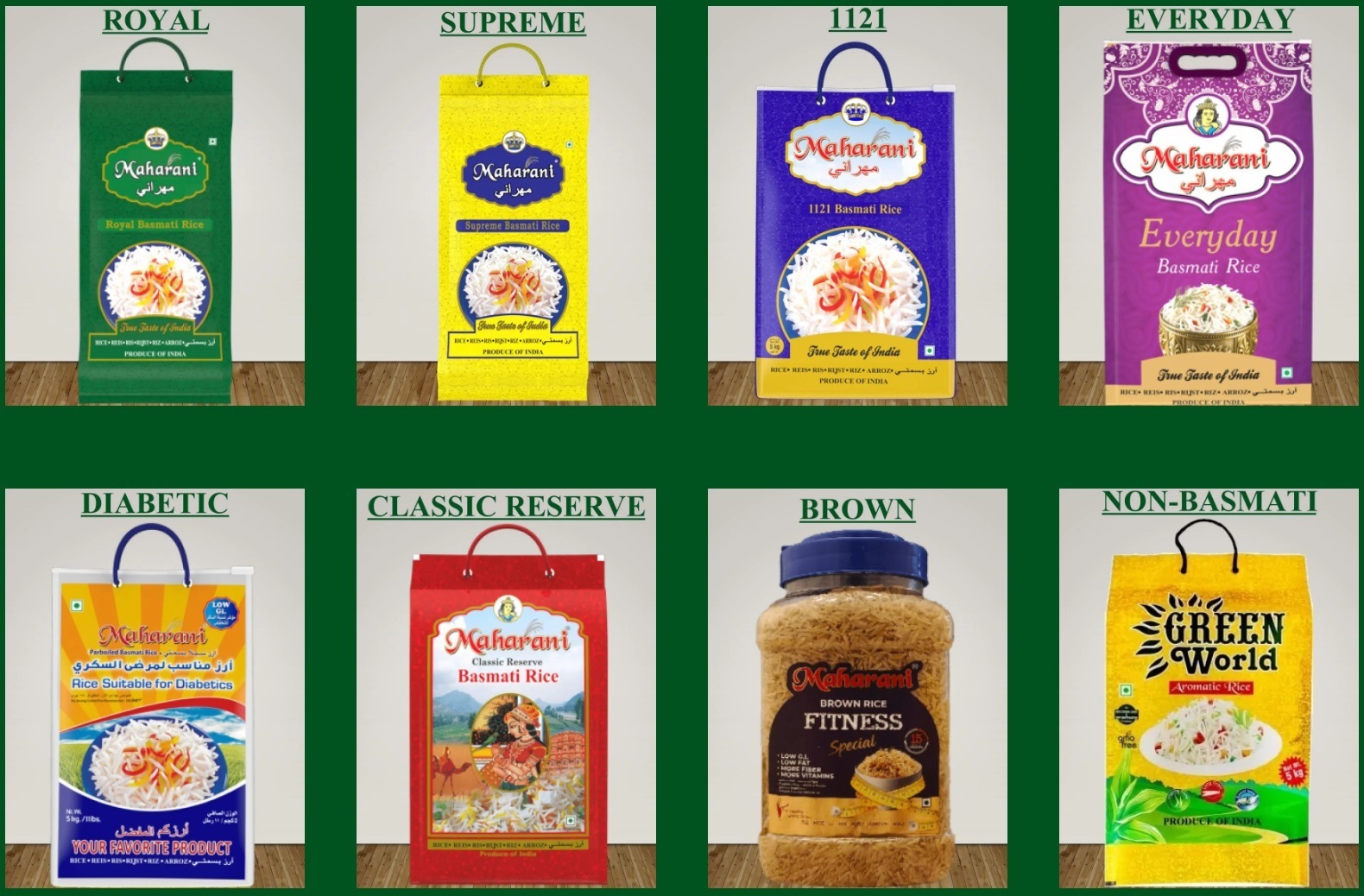
Their own brands:
- Maharani
- Mithas
- Begum
- Green World Aromatic Rice
Branded contribution: ~10% of revenue (growing 46% in FY24).
Most revenue still comes from bulk exports. Which means margins depend heavily on:
- Paddy procurement timing
- Freight costs
- Government export policies
- Currency movements
And yes, government policies have played drama:
- Non-basmati export ban in July 2023
- Basmati MEP restriction of $1,200/ton, later relaxed to $950
Global trade route disruptions in FY24. Freight costs tripled in Feb–Mar 2024.
Rice business is simple in theory. Brutal in execution.
Would you survive if your input prices jump 20% in 60 days?
3. Business Model – WTF Do They Even Do?
Think of CLSE