1. At a Glance – Polyester Prince or Real Estate Relic?
Market Cap: ₹2,415 Cr
Current Price: ₹117
3-Month Return: -23.1%
Stock P/E: 130
Price to Book: 1.02
ROCE: 2.61%
ROE: 1.37%
Debt to Equity: 0.00
Bombay Dyeing today looks like that rich uncle who sold ancestral property, cleared all loans, bought mutual funds… and then forgot how to run his business. Q3 FY26 numbers are out: Sales at ₹324.02 Cr (down 21.9% YoY), Net Profit at -₹9.85 Cr, and EPS at -₹0.48. Yes, negative. Again.
This is a company that once sold Worli land for ₹4,685 Cr, wiped out debt, and became officially “debt-free.” But what’s the point of being debt-free if operating profit is gasping at -₹27.48 Cr?
Is this a turnaround in progress… or a textile brand living off real estate nostalgia?
Let’s open the cupboard.
2. Introduction – From Textile Royalty to Balance Sheet Therapy
Bombay Dyeing isn’t some random smallcap. This is legacy. Wadia legacy. A brand your grandmother probably had in her linen cupboard.
But nostalgia doesn’t pay EBITDA.
The company operates in three segments:
- Polyester Staple Fibre (PSF)
- Real Estate
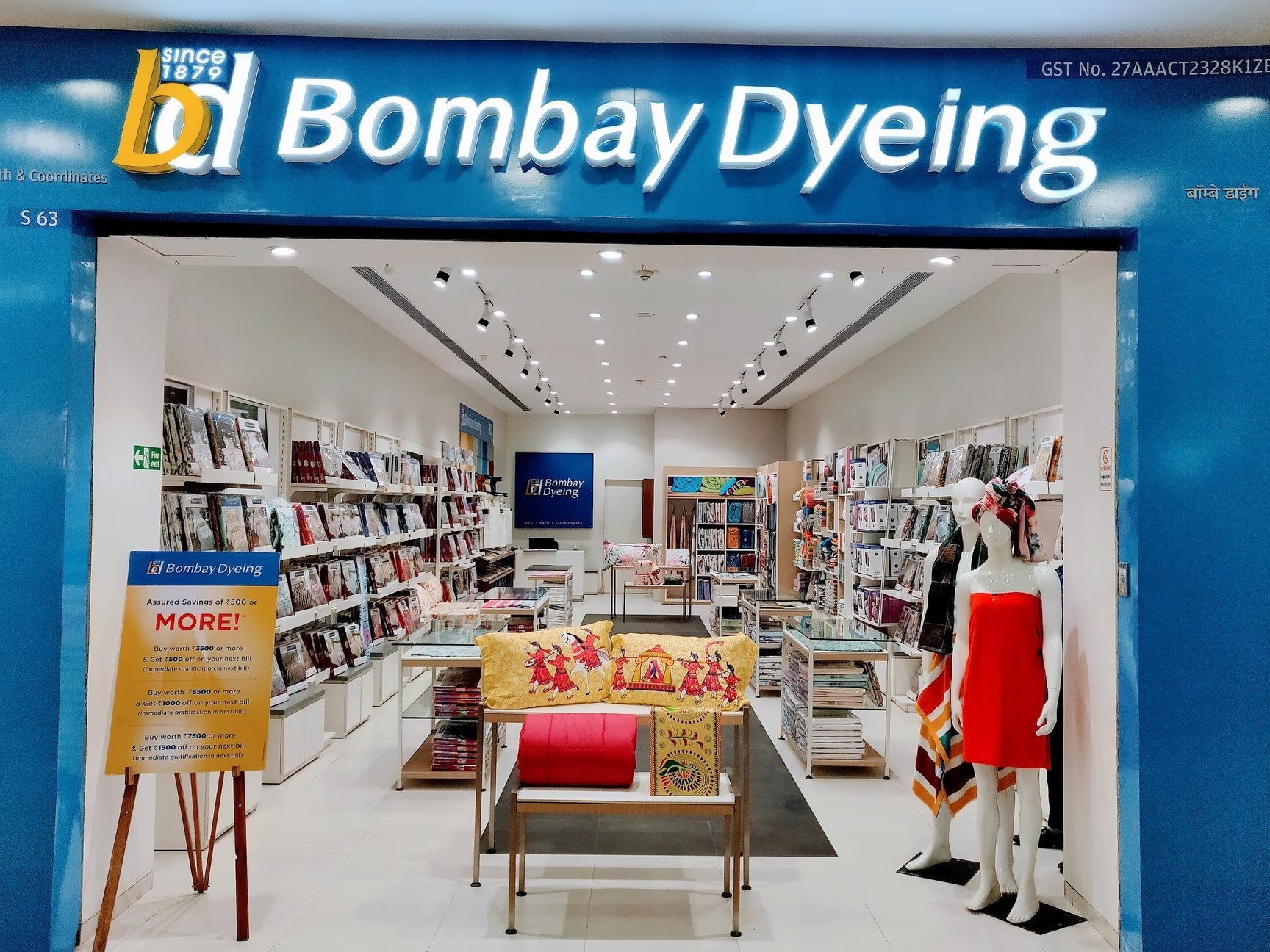
- Retail textiles
Over the years, real estate windfalls saved the day. The massive Worli land sale in FY24 helped the company eliminate borrowings. Borrowings fell from ₹3,642 Cr in Mar 2023 to just ₹3 Cr in Mar 2024.
Debt-free. Clean slate.
And yet, Q3 FY26 shows operating losses.
So what’s happening?
The polyester business contributes 88% of H1 FY25 revenue. Real estate is now 9%. Retail is 3%.
So this isn’t really a real estate company anymore.
It’s a polyester company with a premium Mumbai address.
And polyester margins aren’t exactly luxury-level.
Question for you: If real estate was the hero, what happens when the land bank is exhausted?
3. Business Model – WTF Do They Even Do?
Let’s simplify this.
1) Polyester (88%)
They manufacture 100% virgin Polyester Staple Fibre (PSF) at Patalganga. Capacity utilization was 86% in FY24.
PSF goes into textiles, garments, stuffing, industrial fibres —