1. At a Glance – The “Nu” Name, Same Old Headache?
BirlaNu Ltd (formerly HIL) is currently priced at ₹1,575, carrying a market cap of ₹1,187 crore. In Q3 FY26, the company reported consolidated revenue of ₹858 crore (up 7% YoY) but a net loss of ₹53 crore. ROCE stands at -2.58%, ROE at -7.25%, and interest coverage at a worrying -0.80.
Debt? ₹1,041 crore.
Price-to-book? 1.01.
Stock return in 3 months? -9.42%.
So here’s the headline: revenue growing, margins shaky, profits negative, debt high — and the company just changed its name to sound more “future ready.”
Is BirlaNu a phoenix in transition? Or is this just a cosmetic renovation while the foundation creaks?
Let’s dig in.
2. Introduction – From HIL to BirlaNu: Reinvention or Repainting the Wall?
BirlaNu Ltd is part of the C.K. Birla Group, headquartered in Hyderabad. For nearly 80 years, it has been in building materials — roofs, walls, pipes, putty, construction chemicals, and global flooring via its Parador division in Europe.
In 2025, HIL became “BirlaNu.” The “Nu” stands for reinvention and fresh perspective. Which is poetic. Because the balance sheet certainly needs a fresh perspective.
The company operates across:
- Roofing solutions (Charminar brand)
- AAC blocks and boards (Birla Aerocon)
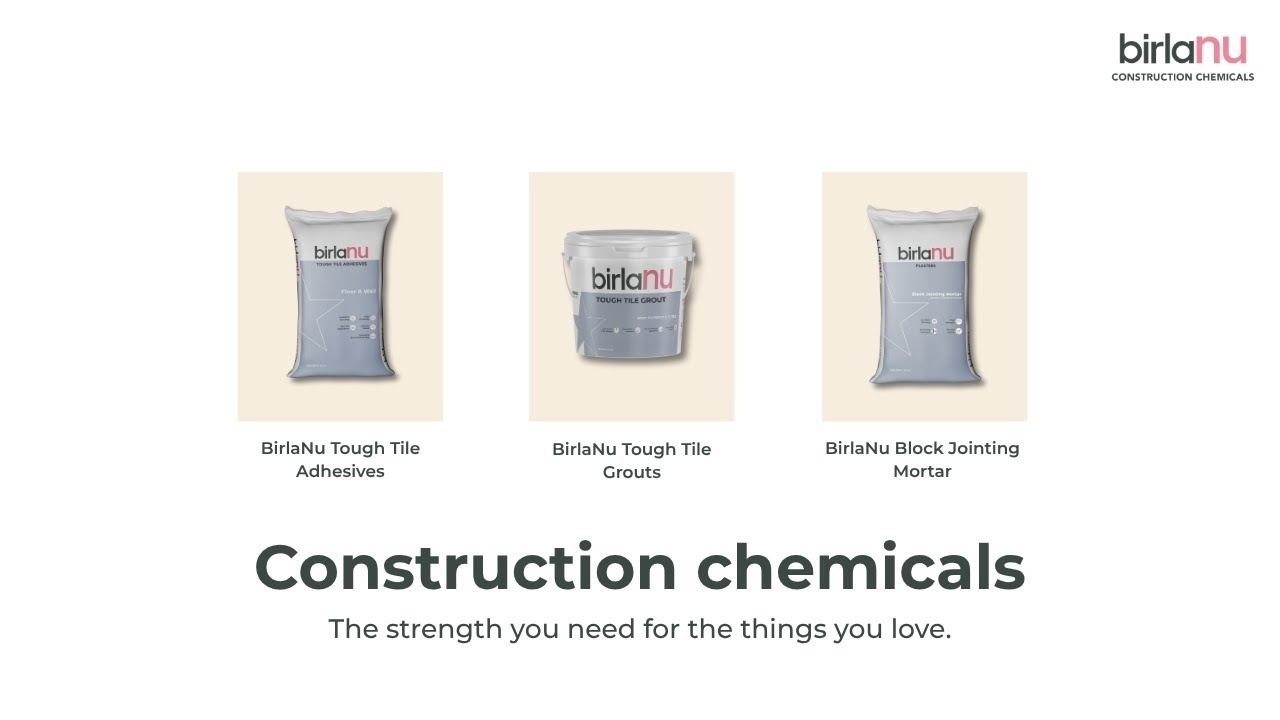
- Polymer pipes and construction chemicals
- Flooring solutions (Parador in Europe)
FY24 segment revenue split:
- Roofing: 32.5%
- Flooring: 32.4%
- Building Solutions: 15.5%
- Polymer: 15.2%
- Others: 0.2%
So almost one-third of revenue comes from Europe via Parador. And Europe, as management admits, has been weak due to inflation and reduced discretionary renovation demand.
Meanwhile in India, demand softness and pricing pressure have made life interesting.
Tell me honestly — when a building materials company starts talking about brand philosophy and design inspiration, do you feel inspired… or suspicious?
3. Business Model – WTF Do They Even Do?
Imagine this: You’re building a house.
BirlaNu wants to sell you:
- The roof (Charminar fibre cement sheets)
- The walls (AAC blocks, boards, panels)
- The pipes (uPVC, CPVC, HDPE)
- The putty and tile adhesive
- The flooring (engineered wood via Parador)
It’s a full-stack building materials play.
Segment