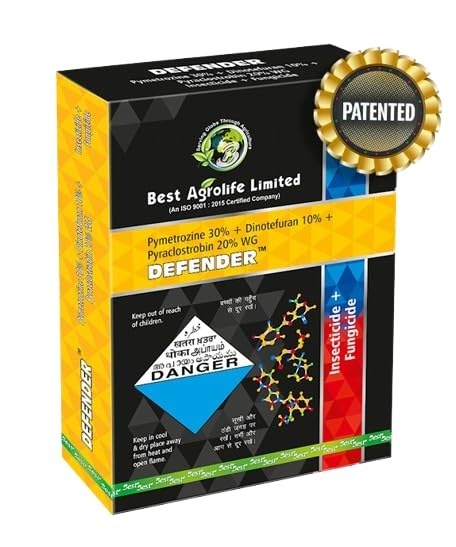
1. At a Glance – “When Rain Becomes Your Biggest Competitor”
If you ever thought agrochemical companies depend on farmers… think again. They actually depend on rain behaving like a disciplined employee. Unfortunately for Best Agrolife, FY26 turned into a Bollywood plot twist where rainfall went rogue (49% above normal), pests went on vacation, and farmers said “bhai abhi nahi”.
And just like that — revenue dropped, inventory piled up, returns exploded, margins collapsed, and investors… well, they disappeared faster than pesticides during a pest-free season.
We are looking at a company:
- Trading at ₹14 with P/B of 0.61 (market basically saying “meh”)
- Reporting negative quarterly profit (-₹12.7 Cr)
- Carrying ₹436 Cr debt with weak interest coverage (~1.58)
- Facing inventory, working capital, and demand shocks — all at once
And then management calmly says:
“Worst is behind.”
Really?
Because when a company blames:
- Weather
- Farmers
- Pests
- Inventory
- And even “too much rain”
You start wondering…
Is this a cyclical downturn… or a business model that only works when nature cooperates?
Let’s dig deeper, because this is not just an agrochemical story — this is a case study in how quickly growth dreams can turn into working capital nightmares.
2. Introduction – The Rise, The Pivot, The Reality Check
Best Agrolife used to be that classic Indian midcap story:
- Fast growth
- Expanding distribution
- Increasing product portfolio
- Riding the agri boom
Everything looked great… until they decided to “upgrade themselves”.
They shifted from:
- Generic agrochemicals → Branded products
Sounds smart, right?
Higher margins, better control, stronger brand.
Except… execution costs money. A LOT of money.
Suddenly:
- Marketing costs went up
- Employee costs went up
- Inventory risks increased
- Sales cycles became unpredictable
And boom — margins fell from ~18%