1. At a Glance – Copper Comeback or Accounting Acrobatics?
And the real masala?
Q3 FY26 sales at ₹44.31 crore. PAT at ₹2.12 crore. Quarterly profit up 141% YoY. Operating margin at 6.82% — the highest in recent quarters.
For a company that was once swimming in losses and legal notices, this looks like a “redemption arc” straight out of a Bollywood script. But wait — last year’s full-year PAT included ₹19 crore of other income. And promoters reduced holding slightly in the latest quarter.
So the question is simple:
Is Baroda Extrusion finally heating up like molten copper…
Or is this just financial jugaad polished to shine?
Let’s investigate.
2. Introduction – The Curious Case of the Copper Comeback
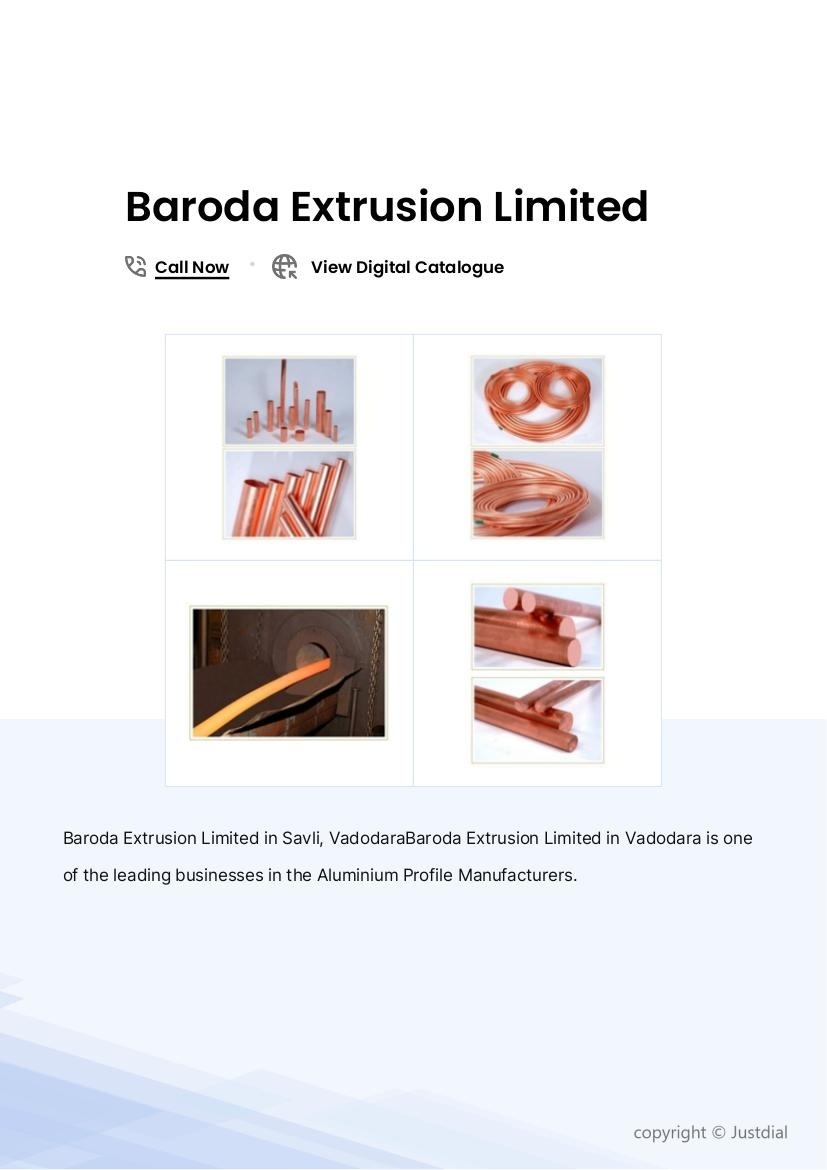
Baroda Extrusion Limited, incorporated in 1993, is not some flashy startup selling AI dreams. It makes copper products. Real, heavy, industrial copper.
Bus bars. Tubes. Coils. Rods.
Basically, if electricity flows somewhere in India, chances are copper is involved — and maybe, just maybe, Baroda supplied it.
But here’s the twist.
For years, the financials looked like a slow-moving tragedy:
- Negative operating margins
- Loss-making years
- Court cases
- Debt problems
- Promoter stake reshuffling
Then suddenly — FY25 happened.
Full-year PAT jumped to ₹20 crore.
TTM PAT shows ₹23 crore.
Profit growth (TTM) shows 2,117%.
Sounds dramatic, right?
But dig deeper — FY25 had ₹19 crore of other income and ₹18.84 crore exceptional income.
So was it business performance?
Or financial engineering?
And now Q3 FY26 shows operational improvement with 6.82% OPM — the best in the visible history.
Is this sustainable?
Or is copper just reflecting light temporarily?
Time to open the balance sheet microscope.
3. Business Model – WTF Do They Even Do?
Baroda Extrusion manufactures copper finished goods and extrusion products from its Vadodara plant. Installed capacity: 6,000 MT per annum.
Products include:
- Copper flats / bus bars
- Copper rods
- Copper tubes
- Copper coils
- Copper billets
- LWC jumbo coils
Customers?
Air conditioning companies, refrigeration players, power sector, electrical industries.
In simple language:
They convert copper into usable industrial shapes and sell it to industries that cannot function without it.
This is a commodity-adjacent business. Which means:
- Margins are thin.
- Copper price volatility matters.
- Working capital discipline is crucial.
It’s not a brand business. It’s not a tech business. It’s not glamorous.
It’s