01 — At a Glance
₹657 Crore Quarterly Revenue. Consistent Profit. Zero Drama.
- 52-Week High / Low₹238 / ₹157
- Q3 FY26 Revenue₹657 Cr
- Q3 FY26 PAT₹65.7 Cr
- TTM EPS₹15.62
- Annualised EPS (Q3 Avg × 4)₹15.56
- Book Value / Share₹114
- Price to Book1.43x
- Debt to Equity0.12x
- Interest Coverage10.4x
- Operating Margin12.8%
Flash Summary: Balmer Lawrie delivered Q3 FY26 PAT of ₹65.7 crore, up 3.30% QoQ. The stock is at ₹162, yielding 5.24% in dividends. At 10.4x P/E (vs. industry median of 23.2x), this PSU is trading at a 55% discount to peers. With near-zero debt (D/E: 0.12x), a fortress balance sheet, and revenues from seven diversified business units — this is what “boring but beautiful” looks like. The stock is down 6.96% over 3 months, yet somehow has returned 13% over 3 years. Welcome to the PSU dividend factory.
02 — Introduction
The 158-Year-Old Conglomerate That Does Everything Except Excite Anyone
Imagine a company founded in 1867 — when India had just suffered a famine, the British were still figuring out how to run the subcontinent properly, and nobody had heard of dividends. Fast forward 158 years. Balmer Lawrie still exists, still makes money, and still pays you to own its shares. That is either the most boring success story in Indian markets, or the most underrated one. Probably both.
Balmer Lawrie & Company Ltd is a Central PSU under the Ministry of Petroleum & Natural Gas. It’s not a single-play business. It makes steel barrels, greases, lubricants, leather chemicals, runs logistics operations, manages cold chains, books airline tickets, and processes oily sludge from refineries. Yes, you read that correctly. If it doesn’t fit into one business, Balmer Lawrie probably has a division for it.
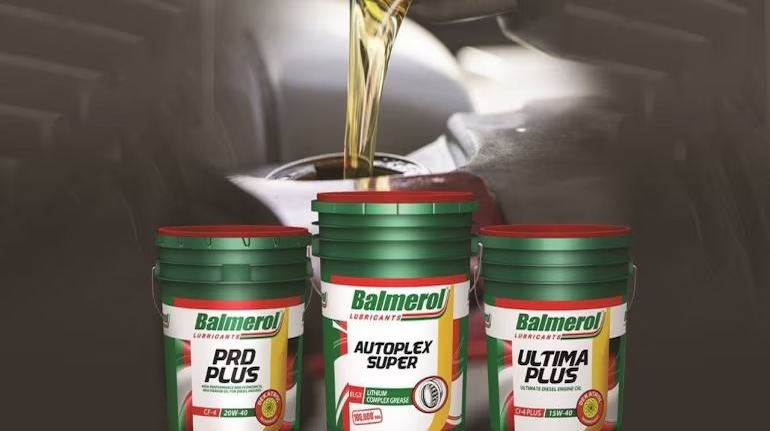
The portfolio is genuinely diversified. Industrial Packaging (40% of revenue), Greases & Lubricants (21%), Logistics Services (22%), Travel & Vacation (3%), and emerging segments like Cold Chain Services and Refinery & Oilfield Services. The government owns 61.80% through Balmer Lawrie Investments Limited. The balance sheet has been fortress-like since 2020. And the dividend yield? 5.24%. In today’s world of zero-interest returns, that’s more intoxicating than a whiskey neat.
CARE Rating (Dec 2025): CARE AA+; Stable / CARE A1+ — reaffirmed. CARE explicitly notes “robust capital structure, healthy debt coverage indicators, and strong liquidity position.” Translation: this company is not going bankrupt. Ever. The real question is whether it’s going to grow or just exist forever with a dividend cheque.
03 — Business Model: A 158-Year-Old Octopus
Seven Different Businesses, One Balance Sheet, Zero Strategy Clarity
Members get full access to every article.