1. At a Glance
There are FMCG companies that look diversified on PowerPoint slides, and then there are companies where one product quietly pays for everyone’s salary, ad campaign, office rent, warehouse, and maybe even the company cafeteria samosa budget.
Bajaj Consumer Care is exactly that story.
The company has just delivered one of its strongest years in recent memory. Q4 FY26 consolidated revenue jumped to ₹327 crore while PAT surged to ₹64 crore, up more than 100% YoY. EBITDA margin expanded from 13.3% to 23.7%. Gross margin shot up to 63.6%. Suddenly, the company that looked sleepy for years has become one of the fastest-growing names in the personal care space.
But here is where the story gets spicy.
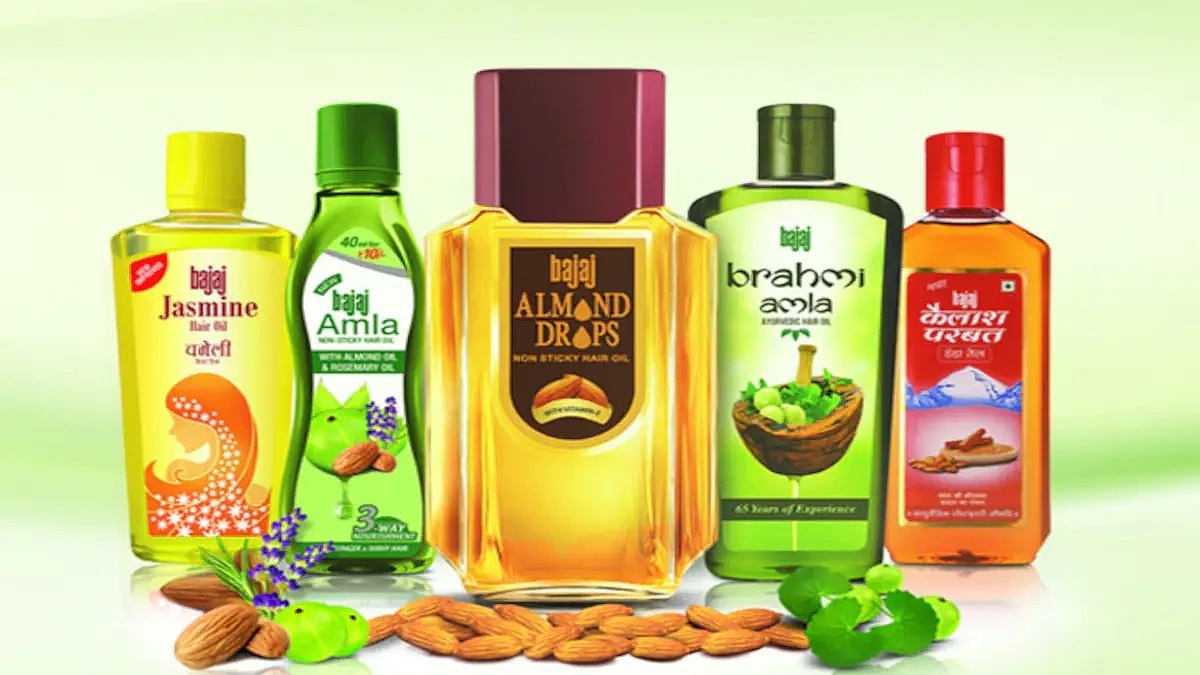
Despite all the talk of diversification, coconut oil, serums, lotions, Nomarks, Banjara’s, and fancy imported oils with ingredients sourced from Peru and France, nearly 80-83% of the business still comes from one core brand: Almond Drops Hair Oil. Management wants non-ADHO products to become 40% of revenue by FY29, but for now the company remains heavily dependent on a single bottle sitting in millions of Indian bathrooms.
And that is both the beauty and the danger.
If Almond Drops keeps compounding, this becomes a cash machine with excellent margins, negligible debt, strong cash generation, and huge brand recall. If consumer preferences shift, or if competition gets more aggressive, the entire diversification dream starts looking like a school project that never left the PowerPoint stage.
Still, management has finally started walking the talk. Project Aarohan is expanding direct distribution, rural demand is reviving, organized trade is booming, and e-commerce plus quick commerce are becoming meaningful growth drivers. The Banjara’s acquisition also gives the company stronger access to South India and natural personal care categories.
For years, Bajaj Consumer looked like that one student who kept promising “next semester I will study seriously.” FY26 finally feels like the semester where the student opened the books.
2. Introduction
For a very long time, Bajaj Consumer Care was stuck in a strange zone.
It was not a broken business. It was not a dying brand. But it was also not exciting enough to command the kind of premium valuations that companies like Dabur India or Godrej Consumer Products enjoy.
The company had respectable profitability, a debt-free balance sheet, and a dominant position in the light hair oil market. But growth was weak, dependence on Almond Drops remained high, and investors kept hearing the same line every year: “We are diversifying the portfolio.”
Finally, FY26 delivered something different.
Revenue grew 21% to ₹1,165 crore, PAT jumped 52% to ₹190 crore, and operating margins expanded sharply from 13% to 19%. Return on equity crossed 25%, while return on capital employed touched 31%. Suddenly, Bajaj Consumer is not just a boring FMCG name anymore. It is becoming a turnaround story.
The company benefited from three major things:
First, rural demand improved after a weak period.
Second, Project Aarohan improved direct distribution and outlet reach.
Third, raw material prices became more favourable, especially copra, which corrected sharply from peak levels.
Management says the current growth is not a one-quarter spike. They argue it is the result of work done over the last 7–9 months across branding, pricing, digital marketing, and distribution. The company has increased direct retail coverage to nearly 6 lakh outlets and expanded aggressively in several states under Aarohan.
But let us not get carried away.
This is still a company with 80% revenue concentration in one category. International business remains weak. Working capital days have exploded from 21 to 124. And the stock is now trading at more than 32 times earnings and 8 times book value. That is no longer “cheap FMCG.” That is “please continue delivering miracles every quarter” valuation territory.
So the big question is simple.
Has Bajaj Consumer genuinely become a stronger company, or is this just one very good year after many average ones?
3. Business Model – WTF Do They Even Do?
At its core, Bajaj Consumer is basically in the business of convincing Indians that their hair deserves a premium oil instead of whatever random coconut bottle is sitting in the kitchen.
Its flagship brand, Almond Drops Hair Oil, dominates the light hair oil segment with around 63% market share. This product alone contributes roughly 80-83% of company revenue. That is both impressive and terrifying.
Beyond Almond Drops, the company is trying to build a wider portfolio:
- Coconut oil
- Brahmi Amla and Sarson Amla oils
- Serums and conditioners
- Nomarks skincare
- Almond lotions and soaps
- Premium imported oil brands
- Banjara’s natural personal