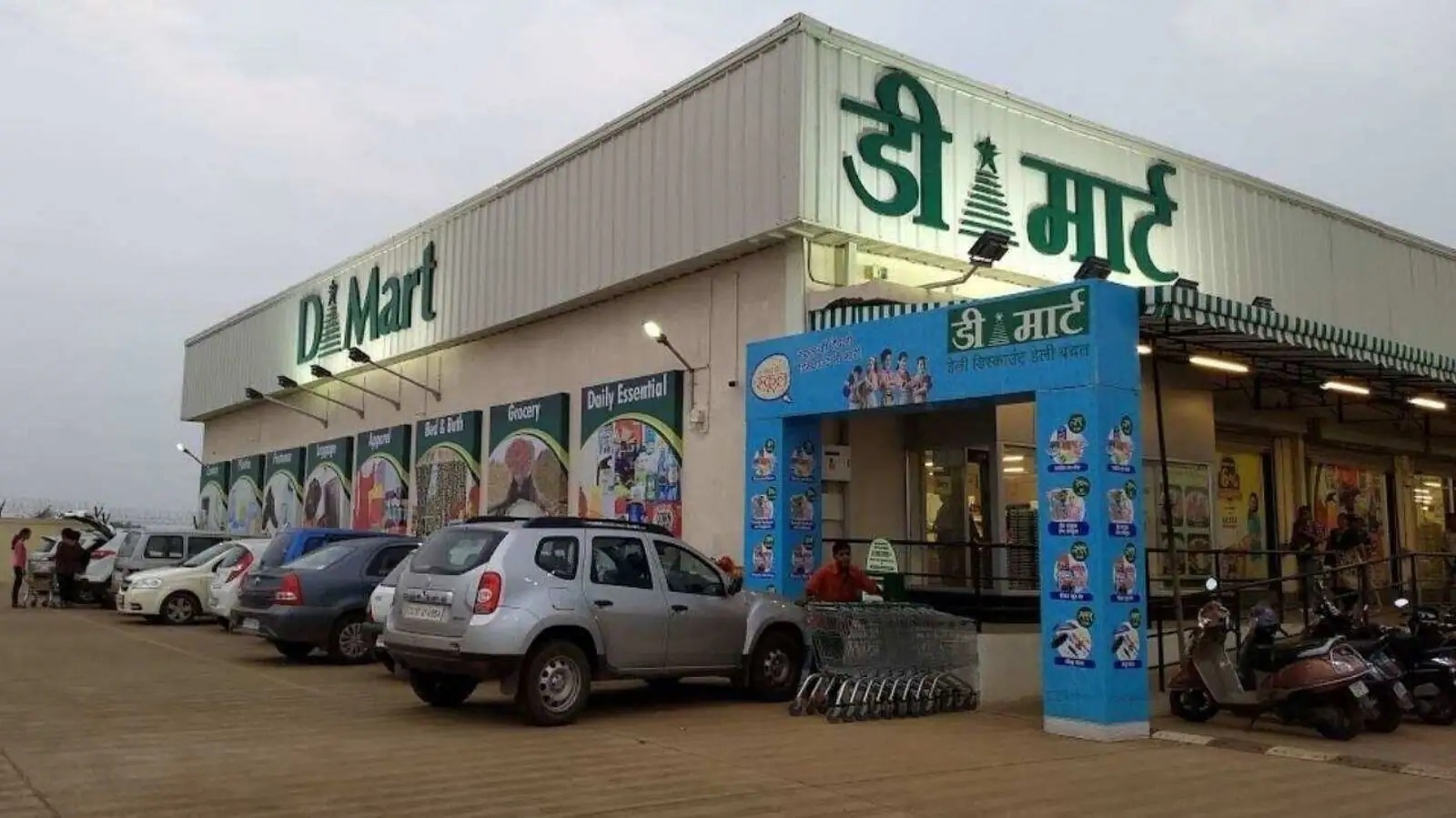
The grocery aisles of India have a king, and he wears a white shirt and sensible shoes. Avenue Supermarts (DMart) has officially breached the 500-store mark, proving that while quick commerce might be the shiny new toy of the venture capital world, the “Everyday Low Price” (EDLP) model remains the ultimate heavyweight champion of the Indian middle class. With a consolidated revenue of ₹68,821 crore for the full year and a quarterly growth surge that would make a cheetah look lethargic, DMart isn’t just surviving the digital onslaught—it’s building a fortress.
1. At a Glance
If you ever wanted to see what a “retail machine” looks like, look no further. Avenue Supermarts closed Q4 FY26 with a standalone revenue jump of 19%, reaching ₹17,205 crore. But the real headline isn’t just the money; it’s the physical dominance. The company added 58 stores in the final quarter alone, bringing their total count to a perfect 500. To put that in perspective, they added more stores in three months than many retailers manage in three years.
The transition from the legendary Neville Noronha to the new MD & CEO Anshul Asawa is underway, and the mandate is clear: scale or get out of the way. While the “quick commerce” kids (Blinkit, Zepto, etc.) are burning cash to deliver a single banana in ten minutes, DMart is focusing on the massive monthly grocery bill. Their Like-For-Like (LFL) growth for stores older than 24 months stands at a healthy 10.8%, up from 8.1% last year. This tells us one thing: the old stores aren’t dying; they’re getting hungrier.
The “Everyday Low Cost” strategy is the secret sauce. By owning their real estate instead of renting it, DMart avoids the rental inflation that eats its competitors alive. It’s a boring, capital-intensive strategy that works like a charm. With a Market Cap of ₹2,99,057 crore, it is the crown jewel of the Damani empire. However, the stock trades at a P/E of 101, which means investors are paying for growth that is essentially “priced for perfection.”
2. Introduction
Avenue Supermarts is the ultimate “un-startup.” It didn’t burn cash to acquire users; it built big boxes in suburban neighborhoods and waited for the crowds to show up. Founded by the reclusive and brilliant Radhakishan Damani in 2002, DMart has stayed true to one single philosophy: give the customer the absolute lowest price on things they actually need—rice, oil, soap, and the occasional pair of ₹199 flip-flops.
The company operates a cluster-based expansion model. They don’t just spray and pray stores across India; they saturate a region, master the supply chain, and only then move to the next “whitespace.” Maharashtra and Gujarat remain their heartlands, but the recent push into North India and Uttar Pradesh signals a new chapter.
In an era where every company wants to be a “tech platform,” DMart is comfortably a “real estate and procurement company.” Their DMart Ready e-commerce arm is finally getting serious, delivering in 18 cities, but the physical store remains the hero. The efficiency is legendary—turning inventory faster than a pancake on a Sunday morning. If you’re looking for a company that treats every paisa like it belongs to the founder’s grandmother, this is it.
3. Business Model – WTF Do They Even Do?
Think of DMart as a giant, incredibly efficient vacuum cleaner that sucks up groceries from manufacturers at massive discounts and spits them out to consumers with the lowest possible markup. They don’t do fancy lighting. They don’t do premium experiences. They do volume.
- EDLC/EDLP: They buy in bulk, pay their suppliers faster than anyone else (7–8 days!), and pass those savings to you.
- The Owner-Operator Edge: Most retailers rent malls. DMart buys land and