1. At a Glance – The Three-Wheeler Drama Nobody Asked For
Atul Auto is that guy in your friend circle who suddenly starts going to the gym, posts transformation reels… but still eats samosa after workout. Revenues are growing, profits are improving, margins are inching up — but returns? Still looking like a government FD.
We’ve got a company doing ₹231 Cr quarterly sales, PAT jumping 111% YoY, EPS hitting ₹5.53 in the latest quarter — and yet ROE is chilling at 4.99%. That’s not “bad,” that’s “why bother?” territory.
So what’s happening here?
Is this a genuine turnaround story in the three-wheeler space… or just a temporary sugar rush fueled by low base effect and EV hype?
And more importantly — why is the market giving it a P/E of ~30 when returns look like a sleepy PSU?
Welcome to Atul Auto — where growth exists, but efficiency seems to have taken a long vacation.
2. Introduction – The Comeback Kid (Or Just Trying Hard?)
Let’s rewind.
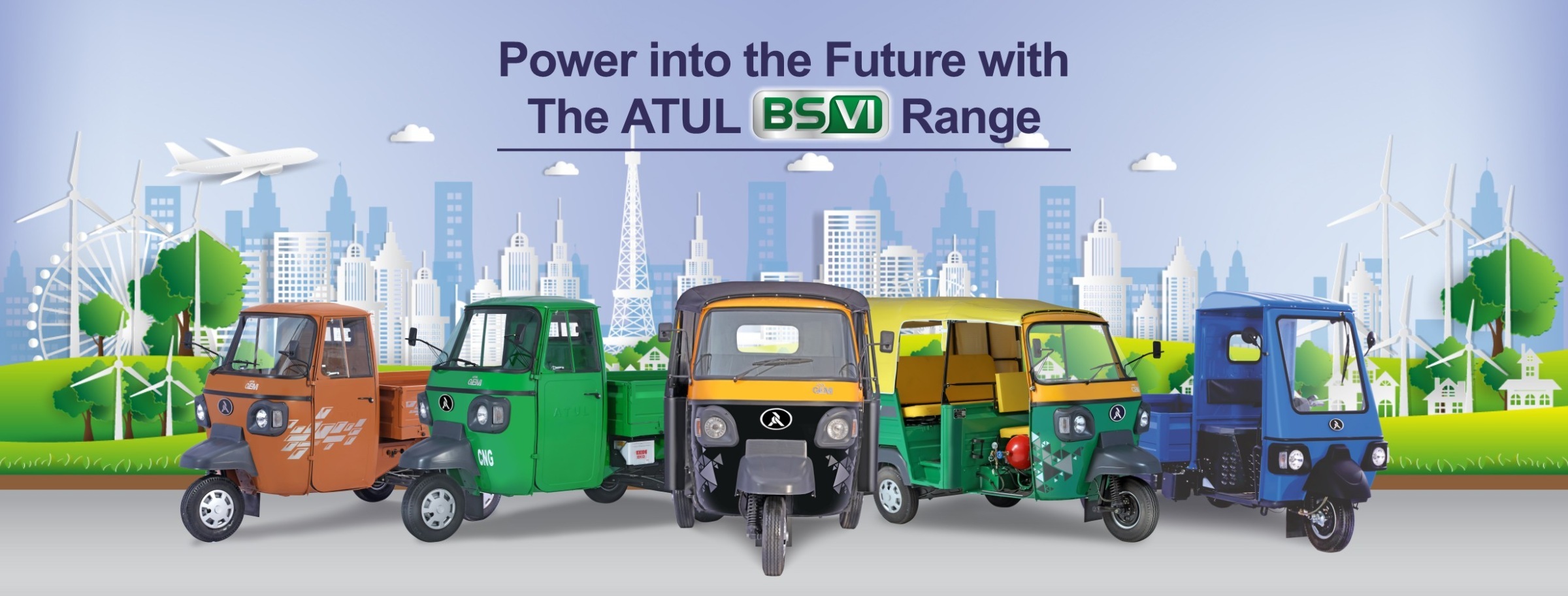
Atul Auto operates in the ultra-glamorous world of… auto rickshaws. Yes, the same thing that honks at you, negotiates fares emotionally, and somehow survives Indian roads better than SUVs.
This company has been around since 1986 — meaning it has seen more cycles than your gym membership.
It commands:
- ~4% domestic market share
- ~3% overall (including exports)
- Presence across 20+ countries
Sounds decent, right?
But here’s the twist — this is a single-segment company. No diversification. No fancy SUVs. No EV unicorn story (yet).
Just pure, unfiltered three-wheeler business.
Which means:
👉 When the sector does well → Atul Auto smiles
👉 When the sector struggles → Atul Auto cries in Gujarati
And historically… oh boy, it has cried a lot.
From losses in FY21 to weak profitability till FY23 — this has been more of a “recovery case” than a “compounder.”
Now suddenly in FY25–FY26, numbers are improving.
But the real question:
Is this a structural shift… or just cyclical recovery?
3. Business Model – WTF Do They Even Do?
Simple explanation:
They manufacture three-wheelers.
That’s it. No drama. No buzzwords.
Break it down:
- Passenger autos (your daily ride hero)
- Cargo autos (India’s unofficial logistics backbone)
- EV variants (trying to stay relevant in 2026)
Revenue mix FY24:
- Vehicles → ~83%
- Spares → ~8%
- Financing → ~7%
- Others → ~2%
So basically:
👉 Sell auto → earn money
👉 Sell spare parts → earn more
👉 Finance customer → earn interest
👉 Repeat
Classic Indian jugaad business model.
But here’s where it gets spicy:
They also created an NBFC subsidiary (KAFL) to finance their own vehicles.
Translation:
Customer can’t afford? No problem. We’ll finance you… and sell you our auto. Double income.
Smart? Yes.
Risky? Also yes.
Because now you’re not just selling autos… you’re also playing banker.
And history tells us — Indian NBFC experiments