1. At a Glance
Atul Auto Ltd (AAL) – the Rajkot-based smallcap that manufactures three-wheelers and exports them to places you’ll struggle to find on a map quiz. Market cap: ~₹1,409 Cr. Current price: ₹508 (down from a 52-week high of ₹695, but hey, at least not ₹407 low). In the last 3 months, the stock has crawled up ~11.4%—slower than its own auto rickshaws stuck at a Mumbai signal. The company sells ~26,000 vehicles annually, yet its P/E of 60.6 screams “EV premium” while the ROE of 4.99% whispers “chillar returns.” Dividend yield? Zero. Promoter holding at 42.7%, down 10% over 3 years. Someone’s been cashing out, boss.
2. Introduction
Picture this: A three-wheeler honking loudly, dodging potholes, carrying five passengers when it’s clearly built for three. That’s Atul Auto’s entire vibe. Founded in 1986, the company carved out a niche in the Indian three-wheeler market with its diesel, CNG, LPG, and electric rickshaws. It has presence in 20+ countries—from Nepal to Nigeria—so if you’re ever lost in Africa and see an auto, chances are it’s Atul’s handiwork.
But here’s the punchline: despite being around for nearly 40 years, Atul Auto has just a 4% domestic market share. Bajaj Auto and Piaggio treat this market like their personal IPL trophy—while Atul Auto is that one team that barely makes playoffs but gets full-page ads for “participation.”
The company has tried to reinvent itself through EV subsidiaries, NBFC financing arms, and branding stunts (more on lawsuits later). Yet its financial story feels like a rickshaw stuck in second gear—lots of noise, not enough speed.
3. Business Model – WTF Do They Even Do?
Atul Auto’s business is simple: build three-wheelers, sell them, then finance them via its own NBFC so that if buyers default, they repossess the very vehicle they sold. Genius or just jugaad? You decide.
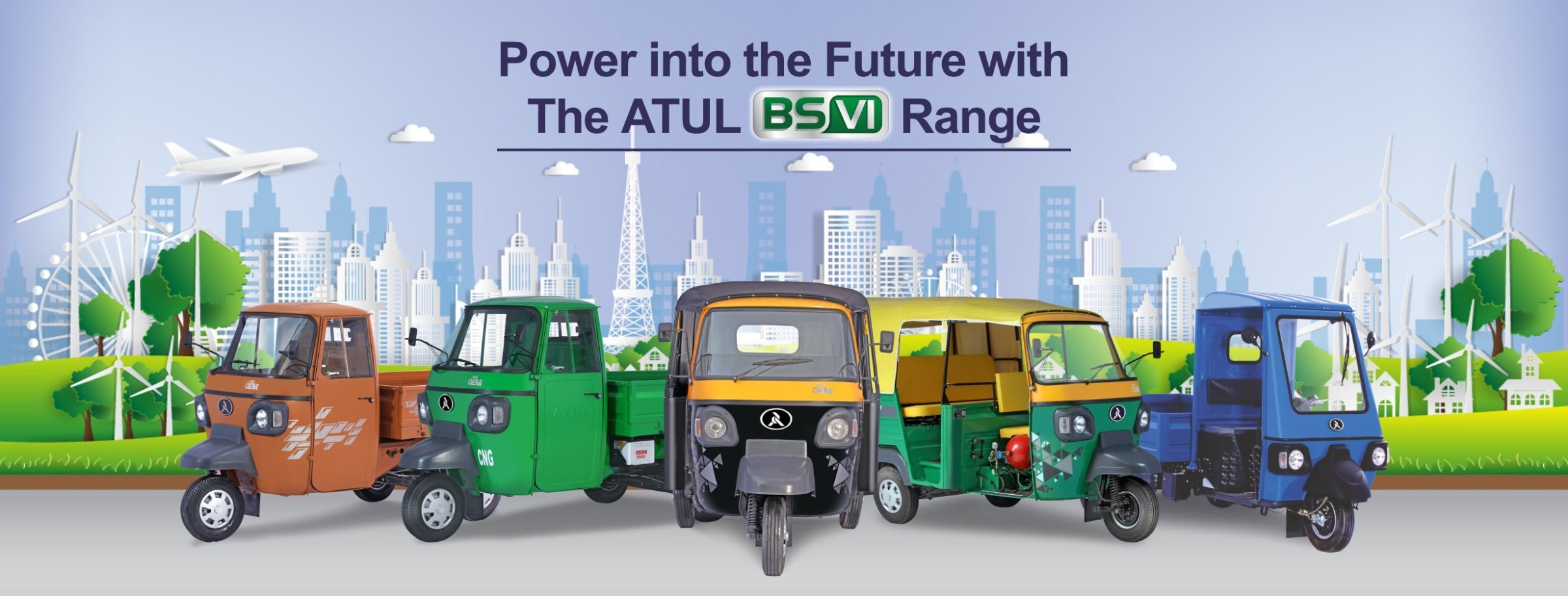
Product spread is impressive on paper: passenger autos, cargo carriers, e-rickshaws, diesel/LPG/CNG variants, and even exports-only brands like Atul Gemini. There’s also Atul Elite (electric), Energie, and Mobili. Except, “Mobili” landed them in a courtroom brawl with Exxon, because apparently Atul thought global oil giants wouldn’t notice their wannabe-Italian branding. Spoiler: they did. Settlement cost: ₹10 lakh. Cheap publicity? Maybe.
To turbocharge sales, Atul created Atul Greentech (for EVs) and Atul Green Automotive (for e-mobility experiments). One makes e-rickshaws, the other makes… PowerPoint slides.
Question for you: would you trust a company that fights Exxon over brand names but can’t cross 5%