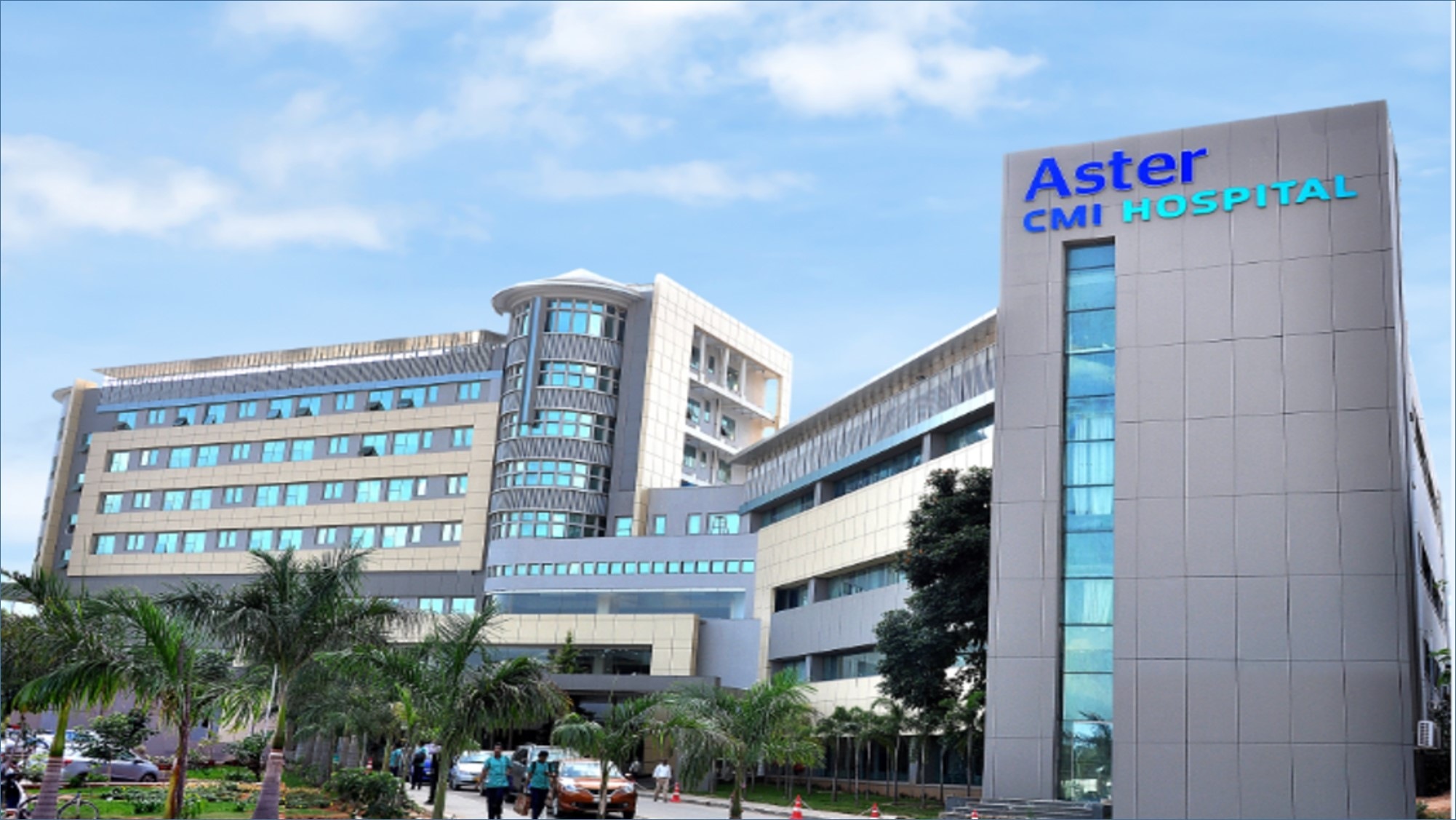
1. At a Glance
The Indian healthcare landscape is witnessing the birth of a predator. Aster DM Healthcare isn’t just “growing”; it is undergoing a structural metamorphosis that would make a Kafka novel look like a bedtime story. We are looking at the final stages of a merger with Blackstone-backed Quality Care India Limited (QCIL)—a move that effectively creates a top-3 hospital powerhouse in India.
The numbers coming out of Q4 FY26 are nothing short of a high-octane adrenaline shot. On a combined proforma basis, the entity clocked ₹2,361 Crore in revenue for the quarter, marking an 18% YoY jump. If you think that’s impressive, look at the EBITDA. The combined operating EBITDA surged 25% YoY to ₹517 Crore. They aren’t just treating patients; they are printing cash with surgical precision.
But here is the real hook: the merger is cash-neutral and expected to be EPS accretive from the very first year. For the uninitiated, that means the “marriage” isn’t just for show; it’s designed to make every share you hold work harder. With a massive 10,623 bed capacity already operational and a pipeline to hit 15,000+ beds, Aster is no longer an “emerging player.” It is the heavyweight champion in the making.
The “Detective” in me is eyeing the ₹5,148 Crore gain recognized in FY25 from the GCC business sale. Most of that was flushed out as a massive dividend (₹6,174 Cr), but the residual strength in the India business is what matters now. The company is pivoting from a Gulf-heavy model to an Indian clinical powerhouse.
Why should you care? Because the ARPP (Average Revenue Per Patient) is climbing, the Occupancy is hitting 61% on a massive base, and the management is talking about a 24-25% margin aspiration. This is healthcare on steroids, and the chart is starting to reflect the clinical excellence they keep preaching about.
2. Introduction
Aster DM Healthcare is currently the protagonist in one of India’s largest M&A thrillers in the hospital space. Born in the GCC and now aggressively colonizing the Indian sub-continent, the company has successfully completed the “Great Pivot.” By divesting its Gulf business for a cool ₹7,767.7 Crore, it has cleared its deck to focus entirely on the high-growth, high-complexity Indian market.
The narrative for FY26 is dominated by the Aster-QCIL merger. This isn’t just two companies joining hands; it’s the integration of brands like CARE Hospitals, KIMSHEALTH, and Evercare under one umbrella. We are talking about a network that spans 9 states and 27 cities.
In the high-stakes game of hospital management, “Beds” are the currency of power. Aster now commands 39 hospitals and over 10,600 beds. But it’s not just about the volume; it’s about the “Mix.” Management has been obsessed with CONGO-T (Cardiac, Oncology, Neuro, Gastro, Ortho, and Transplants). These high-acuity specialties now drive a significant portion of the revenue, pushing ARPOB (Average Revenue Per Occupied Bed) to levels that make competitors sweat.
The transition hasn’t been without its drama. From navigating Kerala nurse strikes (costing about ₹17.69 Crore in losses) to battling competitive intensity in the Bengaluru micro-markets, Aster has had to play both defense and offense. Yet, the Q4 results show a company that has found its rhythm, with Kerala margins hitting 25.6% (ex-Kasargod) and Andhra-Telangana EBITDA more than doubling.
3. Business Model – WTF Do They Even Do?
At its heart, Aster is a “bed-and-pharmacy” machine. They operate a hub-and-spoke model. Think of a massive flagship hospital (the Hub) like Aster Medcity in Kochi, surrounded by smaller clinics and labs (the Spokes). The goal? Catch the patient at the clinic, treat them at the hospital, and sell them the meds at their 203 pharmacies. It’s a closed-loop system designed to capture the entire healthcare “wallet share.”
They specialize in Quaternary Care. That’s a fancy way of saying they do the stuff that requires 20-person surgical teams and robots. We are talking about heart transplants, robotic cancer surgeries, and deep brain stimulation (DBS). This isn’t your local clinic; this is where you go when the local clinic says “I can’t help you.”
The business is split into three main buckets:
- Hospitals: The big money makers (95% of revenue).
- Clinics: The entry point for patients.
- Labs: An emerging high-margin segment where EBITDA margins just jumped to 14.7% from 6.2% last year.
The “Audit” perspective reveals a clever shift: they are moving towards an Asset-Light O&M (Operation & Management) model for some units. Instead of