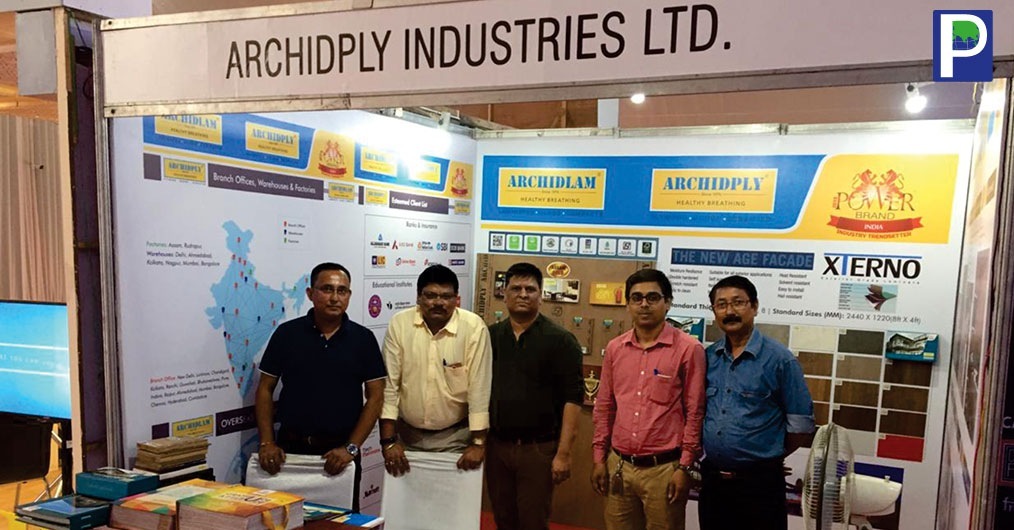
Archidply Industries is walking a tightrope between explosive growth and a balance sheet that is screaming for help. The latest audited results for the financial year ending March 31, 2026, present a classic case of “Profit up, but where is the cash?” While the headline numbers look like a celebration, the underlying debt and subsidiary performance tell a much darker story of high-stakes gambling in the wood-panel industry.
1. At a Glance
The numbers at the top are designed to make your head spin. Archidply reported a consolidated net profit of ₹3.15 crore for the quarter ended March 2026. Compare this to the measly ₹0.43 crore in the same period last year, and you are looking at a 3,250% year-on-year (YoY) profit growth. On the surface, it’s a masterclass in scaling. Investors have been flocking to this story because revenue has surged to ₹671 crore annually, a 22% jump that signals the company is grabbing market share aggressively.
But beneath this “success” lies a mountain of ₹182 crore in debt. For a company with a market cap of just ₹179 crore, the enterprise value is nearly double its equity value. The interest coverage ratio is a shaky 1.71, barely enough to keep the bankers happy. Furthermore, the subsidiary, Archidpanel Industries (AIPL), has been a massive drain. While the parent company is profitable, the consolidated entity has been battling operational losses in the newly commissioned MDF unit.
The most terrifying number? Contingent liabilities of ₹160 crore. If these ever crystallize, they would wipe out nearly the entire net worth of the company. The auditors have noted an unmodified opinion, but they cannot ignore the fact that the company is trading at a P/E of 20.1, which might look cheap compared to the industry median of 28.9, but it comes with a high-risk premium.
Archidply is trying to transition from a traditional plywood player into an MDF powerhouse, but the cost of that transition is a leveraged balance sheet and a razor-thin OPM of 6.31%. Is this a turnaround story, or a debt trap disguised as a growth stock? The teaser: the cash flow statement holds the smoking gun.
2. Introduction
Archidply Industries Ltd is an old warhorse in the Indian interior infrastructure space, incorporated back in 1976. For decades, it was just another plywood company. However, the last two years have seen it pivot aggressively into Paper-Based Products (Laminates) and Wood-Based Products (MDF).
The company operates through a massive network of 2,000 retailers and 20 sales offices across India. Its strategic location in Uttarakhand gives it proximity to raw material sources like timber and veneer, which should theoretically give it a cost advantage.
The narrative recently shifted when the company decided to set up a massive MDF plant through its subsidiary, AIPL. This project was plagued by delays, missing its initial Q2FY24 deadline and finally starting in Q4FY24. These delays led to “operating losses” and a significant hit to the consolidated bottom line in FY25, where the group actually posted a loss.
Now, in FY26, the company is claiming a comeback. Revenue is up, and the MDF unit is finally starting to contribute. But the market remains skeptical. The stock has delivered a negative return of -6.67% over the last six months, even while the broader market was rallying. This disconnect between reported profit growth and stock price performance suggests that the “smart money” is looking at the debt, not just the PAT.
3. Business Model – WTF Do They Even Do?
Archidply essentially slices trees and glues paper to make things that look expensive in your living room. They have two main playgrounds:
Plywood & Allied Products (The Bread & Butter)
This is where 60% of their revenue comes from. They make everything from “Platinum Prime” to