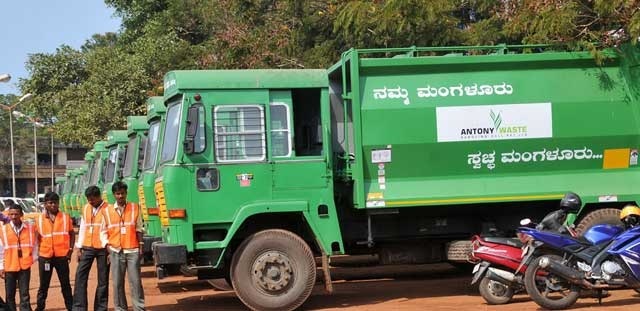
1. At a Glance – The Dirty Business Nobody Talks About (But Everyone Needs)
There are two things in life that are guaranteed — taxes and garbage. And while most companies chase shiny sectors like AI, EV, or semiconductors, Antony Waste Handling Cell Ltd quietly built a ₹1,000+ crore business… picking up your kachra.
Yes. Literally.
While you were debating which IPO will double, this company was signing 20-year contracts with municipal corporations — meaning your trash is their annuity income. Think about it: every city produces waste daily, nobody wants to deal with it, and governments outsource it. That’s like owning a toll booth on human laziness.
But before you imagine this as a monopoly goldmine, reality smells a bit… different.
Margins depend on government payments. Cash flows depend on babu approvals. And working capital depends on how fast a municipal officer signs a file (good luck with that).
So here’s the paradox:
- Stable business model ✔️
- Long-term contracts ✔️
- Visible revenue ✔️
- But… delayed payments, litigation risks, and debt-funded capex ✔️✔️
Now the big question —
Is this a boring compounder hiding in plain sight, or a garbage truck stuck in traffic?
2. Introduction – Welcome to India’s “Trash Economy”
India generates mountains of waste. Literally.
And historically, municipalities handled it like college students handle assignments — last minute, poorly, and with chaos.
Enter private players like Antony Waste.
Instead of dumping waste randomly, the company:
- Collects it
- Segregates it
- Processes it
- Converts some into energy
Basically, they turned garbage into a business model.
Over 20 years, they’ve built relationships with municipal corporations across India. And that’s not easy — getting one government contract is tough, maintaining 20+ is like managing a WhatsApp family group without fights.
From Mumbai to Nagpur, Nashik to Noida, they operate across cities with long-duration contracts (7–23 years). That’s longer than most marriages.
But here’s where things get spicy.
The company is moving from simple garbage collection (low margin) to:
- Waste processing
- Waste-to-energy (WTE)
Which means:
👉 Less dumping
👉 More monetisation
Sounds like an upgrade from “ragpicker economy” to “energy company”.
But hold on…
Waste-to-energy plants need heavy capex, debt, and time. And in India, timelines are like IPL matches — unpredictable.
So ask yourself:
Is this transition a growth engine… or a capital trap?
3. Business Model – WTF Do They Even Do?
Let’s simplify this.
Step 1: Collect Garbage
They pick waste from cities — door-to-door, roads, etc.
Step 2: Transport It
Using a fleet of ~2,599 vehicles (yes, bigger than some logistics companies).
Step 3: Process It
Segregation, composting, recycling.
Step 4: Monetise It
- RDF (Refuse-derived fuel)
- Compost
- Electricity (via WTE plants)
So basically:
👉 Garbage → Fuel → Power → Money
Sounds like alchemy, but with municipal contracts.
Revenue Mix FY25:
- C&T (Collection): 61%
- Processing: