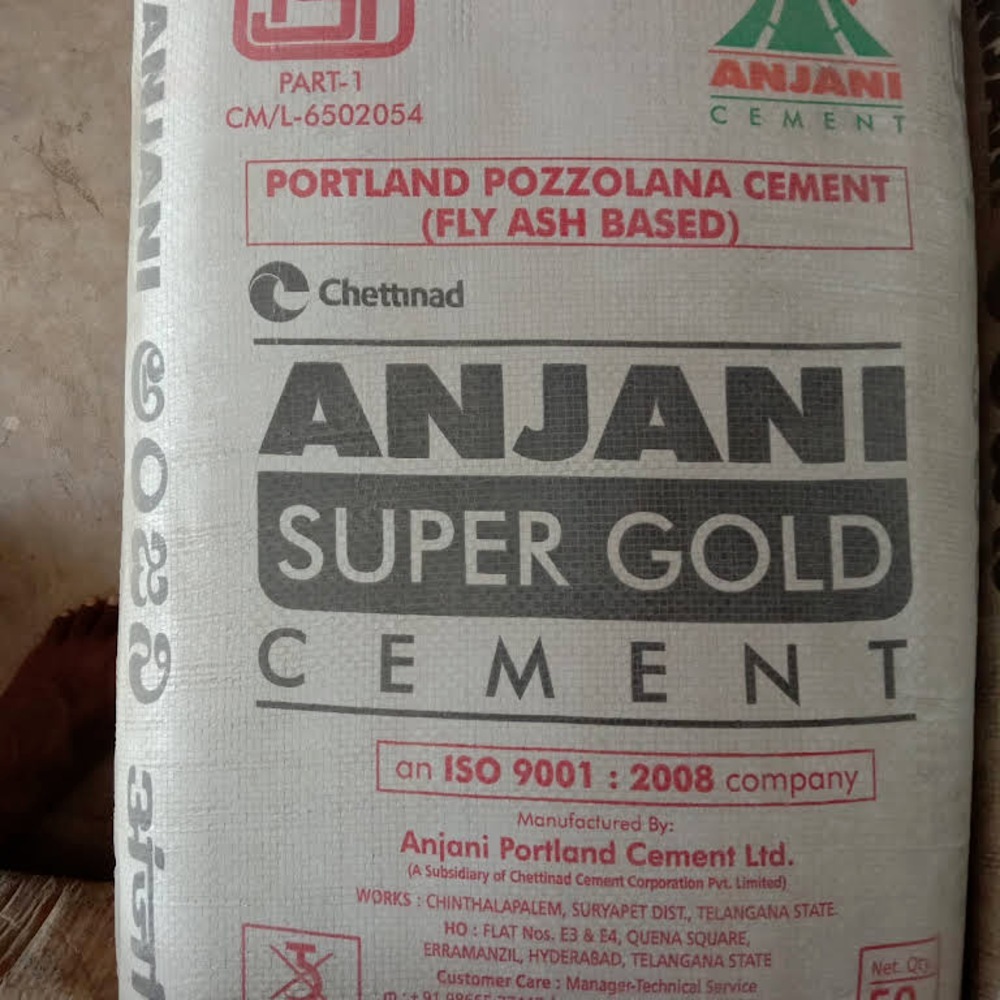
Anjani Portland Cement FY2026: Debt Down, Losses Up
Spotted a factual error — a wrong number, date, or fact? Tell us and we will check the source.
General information and entertainment, not investment advice. The author is not a SEBI-registered adviser or research analyst. No recommendation, no promised returns. Markets carry risk including loss of capital. Figures may not be current. Consult a registered adviser before acting.
1. At a Glance
The market pays ₹114 for each share (as of 17 Jun, prices not live). Consolidated revenue reached ₹455 Cr in FY2026 against ₹623 Cr in FY2024—a slide that betrays the core problem: utilisation.
Debt fell sharply from ₹441 Cr to ₹277 Cr year-on-year. That’s the good news.
The bad news? The company lost ₹29 Cr on a ₹455 Cr revenue base. Not a typo.
The question isn’t whether margins will recover—the cement sector has never lacked optimists—but whether this company gets the chance to recover before structural cash burn exhausts its goodwill.
2. Introduction
Anjani Portland Cement is part of the Chettinad group, incorporated in 1983. Its subsidiary, BCPL (Bhavya Cements), was acquired in 2022 and, as of December 2025, the parent divested 48% of BCPL stakes back to holding company. As of June 2026, the board approved a transition: the Anjani and Bhavya brands will gradually move under the Chettinad umbrella.
Total installed capacity sits at 2.44 MTPA (1.16 MTPA for APCL standalone + 1.28 MTPA for BCPL). The company operates limestone mines and a 16 MW captive power plant. It has presence in Tamil Nadu, Andhra Pradesh, Telangana, Odisha, Karnataka, and has recently forayed into Maharashtra, Kerala, and Goa.
In May 2026, the board approved a phased brand transition. Marketing VP A. Narayana Rao was transferred to the parent company. The subtext: consolidation is underway.
3. Business Model: WTF Do They Even Do?
Anjani makes cement. Premium variants, if the website is to be believed. The company sells OPC 53 Grade, OPC 43 Grade, PPC (Portland Pozzolana), and RHPC (Rapid Hardening). About 99% of consolidated revenue comes from cement; power generation and traded goods fill the rest.
The distribution footprint is fragmented. APCL dominates in the south (Tamil Nadu, parts of Andhra Pradesh); BCPL, the subsidiary, had higher cost of production and in FY2023 the company deliberately limited BCPL’s market radius to avoid burning cash on low-margin sales. That decision—rational but damning—signals capacity utilisation isn’t the company’s friend.
The backward integration is there: limestone reserves across 5 mines reduce input cost and supply risk. The captive power plant handles most of APCL’s thermal needs. But integration doesn’t fix what distribution can’t fix. If the market doesn’t want your cement at your price, your mine doesn’t matter.
4. Financials Overview
Figures are consolidated, in ₹ crore.
Metric
FY2026 (Latest)
YoY
3-Year Trend
Revenue
455
−27%
↓
EBITDA
99
N/A
Weak
PAT
−29
N/A
↓
EPS (Annual)
−9.8
Negative
Negative
FY2026 in words: Revenue fell 27% from ₹623 Cr (FY2024) to ₹455 Cr. Operating profit turned negative (₹34 Cr OPM in FY2026 vs. ₹29 Cr in FY2024 in absolute terms, but margin collapsed). Net loss was ₹29 Cr. The company had negative EPS of −₹9.80 per share.
Q4 FY26 snapshot: Revenue of ₹124 Cr, operating profit ₹13.6 Cr (10.96% OPM—strongest quarter in the year). Net profit actually flipped positive at ₹1.65 Cr. But don’t mistake a single quarter’s bounce for a trend—the year-to-date pattern showed sustained loss-making.
Interest expense was ₹31 Cr (FY2026), depreciation ₹34 Cr. The finance cost exceeds operating profit.
5. Market Expectations & Historical Multiples
This section describes how the market is currently pricing the company and how that compares with its own history and peer group. It is descriptive, not predictive.
Metric
Current
Historical Average (5Y)
Peer Median (Cement)
P/E
N/A (negative earnings)
N/A
29.9
EV/EBITDA
6.3x
N/A
14.7x
D/E
1.13
1.8
0.45
ROE
−9.88%
−17.3% (3Y avg)
Positive single digits to low teens
PAT Margin
−6.3%
Negative
5–7%
The market currently pays 6.3x EV/EBITDA here. Cement peers sit at 14.7x. The company’s debt-to-equity of 1.13 is above peer norms (0.45 median) and nearly