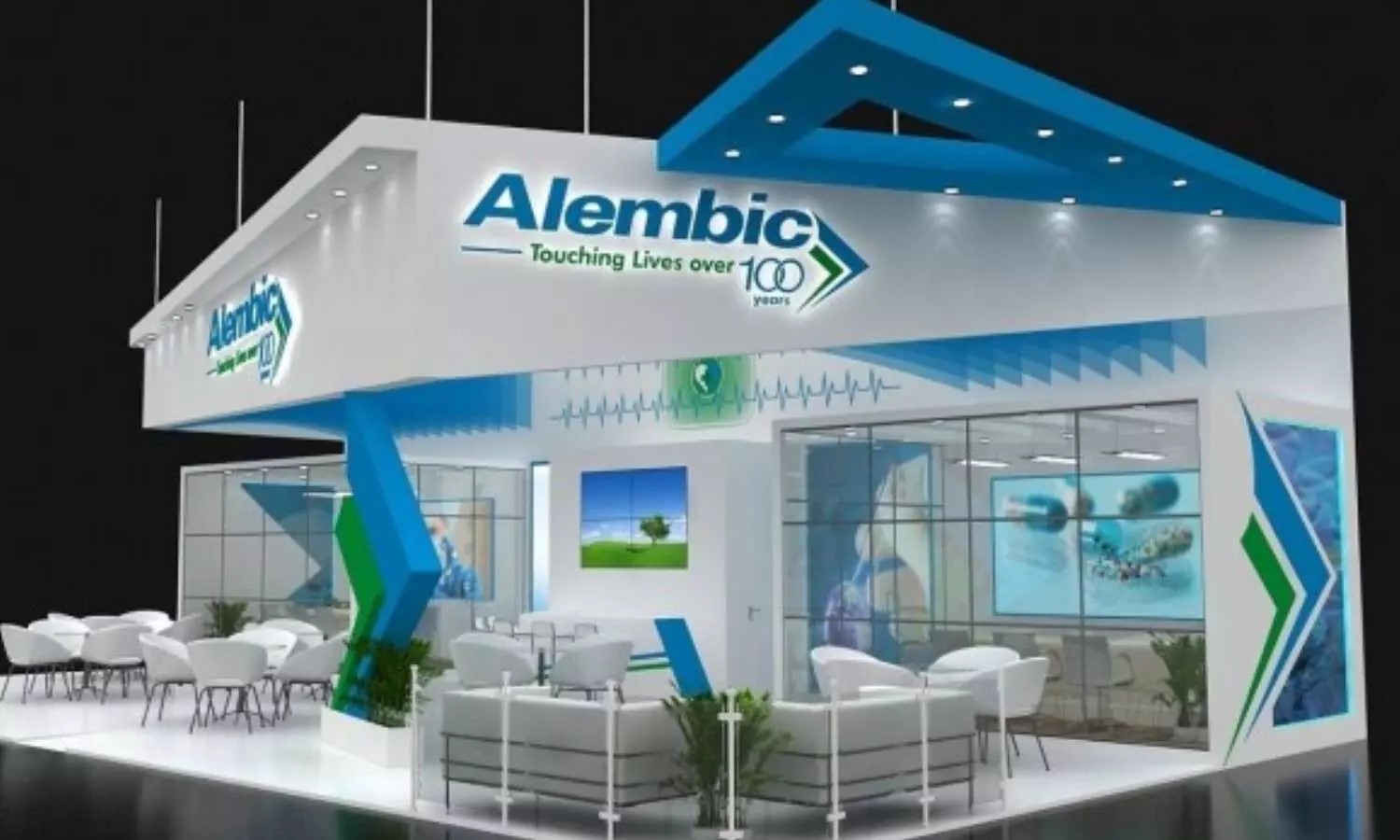
Alembic Pharmaceuticals Ltd Q4 FY26: Tax Credit Shield Masks Operating Profit Margin Collapse to 12% in Final Quarter
1. At a Glance
The financial architecture of Alembic Pharmaceuticals Ltd has delivered an unexpected twist that warrants intense scrutiny. In its latest audited corporate results for the quarter and financial year ended 31st March, 2026, the company posted a consolidated revenue of ₹1,848 crore for the final quarter, up a muted 4.41% year-on-year against ₹1,770 crore in Q4 FY25. However, deep operational cracks are visible just beneath the surface.
The company’s operating profit margin plummeted to 12% in Q4 FY26, down sharply from 15% in Q4 FY25 and 16% in Q3 FY26, hitting its lowest level in eight quarters. This operational decompression was driven by high under-absorption of overheads across under-utilized facilities and a massive 39% surge in research and development expenses, which jumped to ₹209 crore (accounting for 11% of quarterly sales).
Despite this operational weakness, reported net profit artificially expanded by 29% year-on-year to ₹202 crore. This headline growth was entirely engineered by a massive tax credit reversal of minus ₹83 crore during the quarter, contrasting with a normal tax expense of ₹35 crore in Q4 FY25. Without this structural tax shield, the company’s true operational reality is exposed: Profit Before Tax crashed by 38% year-on-year to just ₹119 crore.
For the full financial year 2026, consolidated revenue stood at ₹7,345 crore, while annual net profit reached ₹671 crore. This creates an initial puzzle for investors—the top-line continues to scale up, yet core operating earnings power is thinning out.
2. Introduction
Alembic Pharmaceuticals Ltd is an integrated, export-heavy pharmaceutical player engaged in manufacturing and marketing Active Pharmaceutical Ingredients (APIs) and branded/generic formulations globally. Headquartered in Vadodara, Gujarat, the corporate setup includes 10 sophisticated manufacturing blocks and 2 high-grade R&D facilities. Over the past few fiscal cycles, the company has deployed severe debt-funded capital expenditure into niche generic segments—including injectables, ophthalmic blocks, oncology lines, and specialized peptides.
Analyzing the financial matrix requires absolute clarity on corporate boundaries. Looking at standalone numbers will paint a completely distorted picture because Alembic’s massive international front-end operations, global generic price erosion, and factory overheads are housed entirely within its consolidated subsidiaries like Alembic Global Holding SA and Alembic Pharmaceuticals Inc.
The company has also seen recent leadership changes. On 1st April, 2026, Chirayu Amin stepped into the position of Executive Chairman for a five-year term after leaving the Chief Executive Officer role on 31st March, 2026. Concurrently, Pranav Amin was re-appointed as Managing Director for five years, and Rajkumar Baheti took charge as a Non-Executive Non-Independent Director. Amid these executive movements, Nilesh Wadhwa, Head of Formulation Business Development, resigned and was relieved at the close of the fiscal year.
3. Business Model – WTF Do They Even Do?
Alembic’s core business model can be split into two functional buckets: making the active drug chemicals (APIs) and turning those chemicals into sellable retail medicines (Formulations). Formulations represent the primary engine, generating 83% of total revenue, while the API vertical contributes 17%.
The formulations engine runs on three distinct pipelines:
India Branded Business: This unit employs an army of over 5,500 Medical Representatives covering 21 marketing divisions. Holding a 1.2% market share of the Indian Pharmaceutical Market, it focuses on long-term chronic therapies (cardiology, gynecology, gastrology) alongside traditional acute segments.
US Generic Formulations: Operating via an established front-end direct marketing presence in the US, this pipeline builds, files, and commercializes Abbreviated New Drug Applications (ANDAs) targeting complex spaces like oral solids, ophthalmics, dermaceuticals, and injectables.
Ex-US Formulations: This division diversifies geographical risk by targeting regulated and semi-regulated markets across Europe, Australia, Brazil, Canada, and South Africa through strategic distribution alliances and new direct subsidiaries.
The API division operates a massive 1,512 KL reactor capacity. It serves as a critical backward integration lever, consuming 36% of its production internally to secure Alembic’s formulation supply chains from global pricing shocks, while selling the remaining 64% directly to third-party global buyers.
4. Financials Overview
The underlying numbers from the final quarter of FY26 indicate a clear operational slowdown that was late-rescued by the accounting department.
Financial Performance Comparison Table
The verified consolidated performance highlights are laid out below:
Parameter
Latest Quarter (Mar 2026)
Same Quarter Last Year (Mar 2025 YoY)
Previous Quarter (Dec 2025 QoQ)
Revenue
₹1,848 cr
₹1,770 cr
₹1,876 cr
EBITDA
₹228 cr
₹271 cr
₹292 cr
PAT
₹202 cr
₹157 cr
₹132 cr
EPS (₹)
₹10.31
₹7.98
₹6.76
Financial Commentary and Annualization
The operational realities are clear: EBITDA dropped 15.8% year-on-year to ₹228 crore from ₹271 crore in March 2025, even with revenue rising slightly. Sequentially, operating profit fell 21.9% from ₹292 crore in December 2025.
The reported quarterly EPS stands at ₹10.31. Because this represents the final quarter (Q4) of the fiscal year, no artificial quarter-on-quarter annualization multipliers are applied. The full-year trailing EPS is locked at ₹34.33. This yields a trailing price-to-earnings multiple of 21.58x against the current market price of ₹741.05.
Looking at historical management interactions reveals notable execution gaps. Corporate leadership previously pointed to structural updates aimed at returning the domestic branded business to market-matching growth rates. However, the domestic branded segment grew only 4% year-on-year in Q4 FY26, bringing in ₹568 crore against ₹545 crore in Q4 FY25. In recent conference calls, management conceded that domestic growth continues to lag behind the broader market, citing execution friction under Uniform Code for Pharmaceutical Marketing Practices guidelines and normalization trends in legacy COVID brands.
How long can non-operational tax reversals protect a company if its core operating profits keep contracting?