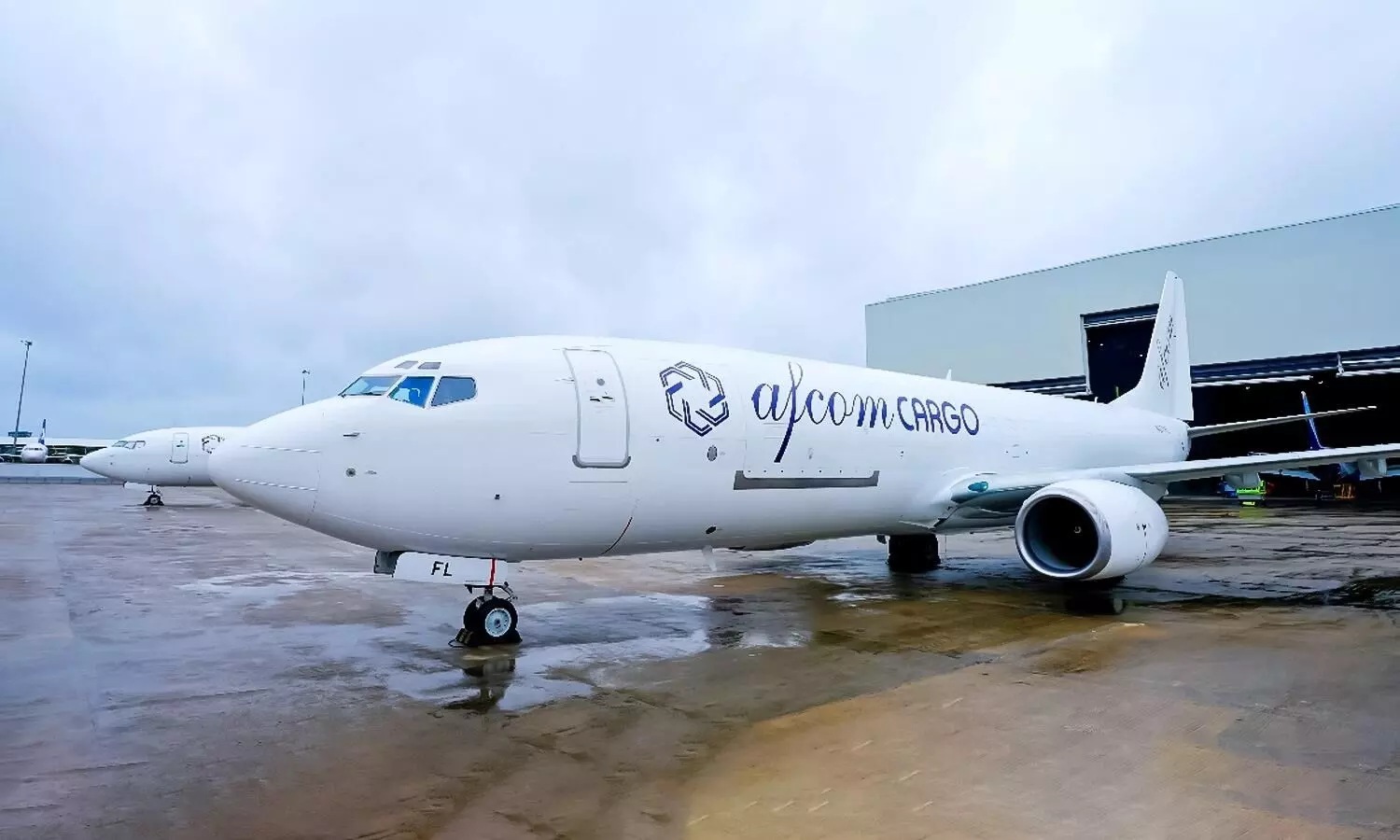
Afcom Holdings Q3 FY26: ₹153 Cr Quarterly Sales, 326% Profit Jump, ROCE 36% — Cargo Jet or Cash Jet?
1. At a Glance – The Cargo Plane That Learned to Print Money
₹2,398 crore market cap. ₹920 share price. P/E of 19.9. ROCE of 36%. Quarterly sales growth of 208%. Quarterly profit growth of 326%.
Ladies and gentlemen, meet Afcom Holdings Ltd, a company that started in 2013 and now behaves like it swallowed a jet engine full of caffeine.
In Q3 FY26 (December 2025 quarter), sales hit ₹153 crore and PAT jumped to ₹38.5 crore. That’s not normal growth. That’s “did someone accidentally switch on turbo mode?” growth.
The company handles airport-to-airport cargo. No drama about last-mile delivery. No scooters. Just serious metal birds flying serious cargo. Boeing 737-800 freighters doing 8.54 round trips per week on average. Yield per kg: $2.49. Cost per kg: $1.39. That spread? Chef’s kiss.
But wait — top 5 customers contribute 98.5% of revenue in FY24.
That’s concentration so tight it makes a mutual fund manager nervous.
So what is this? A high-margin aviation machine? Or a concentrated bet flying at 30,000 feet?
Let’s buckle up.
2. Introduction – From Shrimp Flights to Sky Profits
Afcom isn’t Indigo. It isn’t SpiceJet. It doesn’t sell you window seats or peanuts.
It flies shrimp. Mobile phones. Pharma. High-value cargo. E-commerce.
Basically, the stuff that can’t wait for ships.
Incorporated in February 2013, Afcom built itself as a dedicated cargo operator. It holds an Air Operator Permit and import approvals. It operates Boeing 737-800 cargo aircraft — VT-AFO, VT-AFN, and VT-AFC. A third aircraft was inducted on December 30, 2025.
And they’re not shy about ambition.
Signed a six-year agreement with Nauru Air Corporation to expand Australia–Pacific cargo corridors.
Started operations at Kempegowda International Airport, Bengaluru in August 2025.
Joined IATA Clearing House.
Planning greenfield MRO subsidiary.
Raising funds via preferential allotments, warrants, and QIP.
This isn’t a sleepy SME stock.
This is a company aggressively adding aircraft, capital, and routes.
But aviation is a brutal industry. One bad fuel cycle and profits evaporate faster than airport coffee money.
So the big question is:
Are these margins sustainable, or are we watching a perfect storm of favourable rates?
Let’s dig.
3. Business Model – WTF Do They Even Do?
Imagine you’re a seafood exporter in Chennai.
You have 20 tons of shrimp that need to reach Maldives tonight.
Do you call a courier van? No.
You call Afcom.
Afcom operates airport-to-airport cargo services. It doesn’t do doorstep delivery. It focuses on high-yield, time-sensitive freight:
General Cargo
Flying Fresh
Flying Pharma
Dangerous Cargo
High Value Cargo
Project Cargo
Flying Express
They do domestic charters for shrimp, mobile phones, and e-commerce movement.
They operate globally — USA, Europe, Sri Lanka, Thailand, Maldives, Vietnam, Myanmar, Bangkok, Hanoi.
They have strategic partnerships with:
Etihad Airways
Turkish Airlines
VietJet Air
They are members of IATA, ICH, and SIS.
Revenue model? Simple:
Revenue per kg – Cost per kg = Margin.
Q1 FY26 data:
Yield: $2.49/kg
Cost: $1.39/kg
That’s a gross spread of $1.10/kg.
Now multiply that by 5,278.7 tons handled in Q1 FY26.
That’s not peanuts. That’s serious dollar billing.
But here’s the spicy part:
Top 5 customers = 98.5% revenue (FY24).
That’s not diversification. That’s dependency with wings.
If one customer sneezes, Afcom might catch altitude sickness.
Still confident? Let’s see the numbers.
4. Financials Overview – The Jet Engine Is Roaring