SMT Engineering FY26: From Zeros to ₹23 Crore in Fourteen Months
General information and entertainment, not investment advice. The author is not a SEBI-registered adviser or research analyst. No recommendation, no promised returns. Markets carry risk including loss of capital. Figures may not be current. Consult a registered adviser before acting.
1. At a Glance
The company reported net profit of ₹23.08 crore for FY26, a reversal from ₹1.68 crore loss in the prior year. The swing is real but compressed into fourteen months — a reverse merger with Sai Machine Tools in March 2025 transformed a sleepy plastic-extrusion-machine maker into a dual-business entity, and the balance sheet explosion (₹167 crore to ₹267 crore in total assets) carries it.
Revenue hit ₹162.24 crore, up from ₹21.1 crore in FY25 — a 669% jump that speaks to the acquisition’s scale, not organic traction. Borrowings jumped to ₹82.09 crore from ₹51.52 crore. The multiple is 32.9x reported earnings, above a peer median of 23.9x, despite margin recovery to 14.2% net profit margin and 25% operating margin.
Three independent directors resigned in October 2025. The company took a BSE fine for late related-party transaction disclosure.
This is a post-acquisition integration story, not a simple earnings play.
2. Introduction
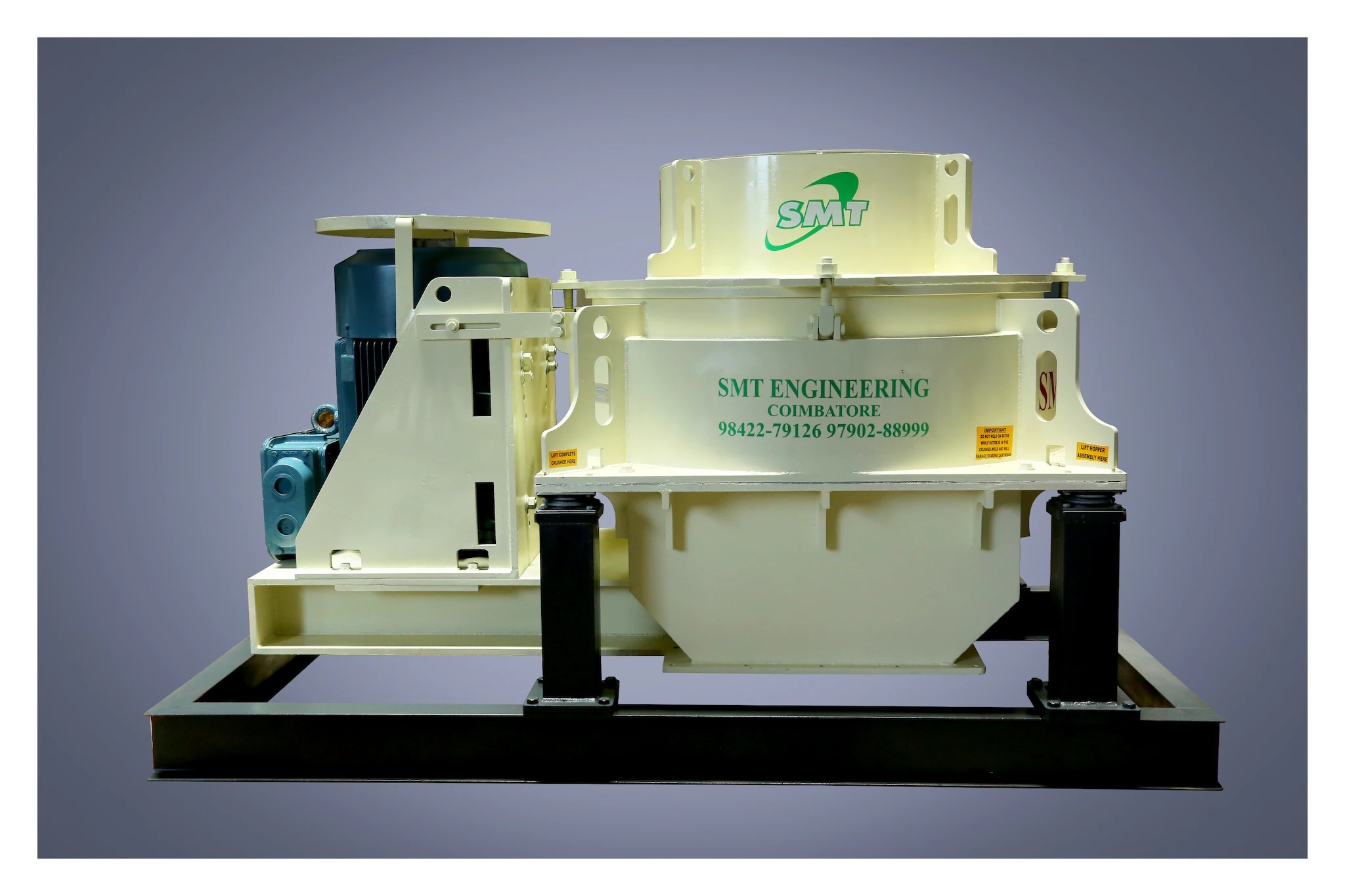
SMT Engineering, incorporated in 1984, spent most of its life as a maker of plastic extrusion machinery — HDPE and PVC pipe systems, drip irrigation equipment, cooling tanks, and the wires that feed them. The client list included household names: Kisan, Prince Pipes, Texmo, Vectus, Supreme. Small, profitable, unspectacular.
In March 2025, the company acquired Sai Machine Tools Pvt Ltd for ₹27.45 crore (settled in 94.64 lakh equity shares) and took a preferential issue of another 33.81 lakh shares for ₹22.65 crore to the same acquirer group. The combined shareholding then triggered an open offer, which completed at ₹42 per share in July 2025, consolidating 73.77% in the hands of Ajay Jaiswal, Vishal Kumar Jaiswal, and Ashok Jaiswal.
The company renamed itself from Adarsh Mercantile Ltd to SMT Engineering Limited (effective 3 April 2025) and amended its objects to include metal fabrication, machinery, foundry work, and steelmaking — the business of Sai Machine Tools.
In February 2026, the company allotted a further 15.50 lakh shares at ₹225 per share, raising ₹34.88 crore. The material subsidiary, Sai Machine Tools, then leased 40,000 square metres in Indore with a ₹140 crore capex plan (99-year lease, signed November 2025).
The scale-up is surgical and capital-intensive. The stock has moved 2,685% in one year.
3. Business Model: WTF Do They Even Do?
Before the acquisition, SMT Engineering made plastic extrusion machines sold to pipe and irrigation firms. Margins were modest (single-digit to low teens), turnover was slow, and the business was a long, patient conversation with customers who needed to amortise a ₹50 lakh machine over five years.
Now the holding company owns two units:
SMT Engineering (parent): Continues the original extrusion machinery business. FY26 contribution unclear from the filings, but at ₹162 crore consolidated revenue and ₹51 crore parent revenue, the bulk revenue is intra-group or subsidiary (Sai’s output).
Sai Machine Tools Pvt Ltd: Acquired March 2025. Makes machine tools and foundry equipment. Leased space in Indore (40,000 sqm) with a stated ₹140 crore investment plan over the next 3–5 years. The business sits outside the old extrusion machine ecosystem entirely — it competes in industrial machinery, likely with margins and project cycles closer to B2B engineering than retail pipe-machine sales.
A third subsidiary, Chemerix Life Sciences Pvt Ltd, is a step-down entity (invested in by Sai). Its purpose is not disclosed.
The model now is: hold two manufacturing platforms, consolidate capex into Indore, and scale both vertically. It reads like a platform play — ownership of manufacturing real estate in a supply-constrained geography. Whether the capex plan succeeds or folds depends entirely on management execution, orders, and the capital markets’ continued appetite to fund expansion.
4. Financials Overview
Figures are consolidated, in ₹ crore.
Metric
FY26 (Latest)
FY25
Change (₹ Cr)
Change (%)
Revenue
162.24
21.10
+141.14
+669%
EBITDA
40.00
3.09
+36.91
+1,195%
PAT
23.08
2.47
+20.61
+835%
EPS (₹)
12.77
1.50
+11.27
+752%
Annualised Q4 EPS (₹): Full-year EPS is 12.77 (no annualisation; March is the year-end). The reported EPS was used as-is.
Operating Margin (OPM): 25% in FY26 vs. 13% in FY25. The uplift reflects both revenue scale and the consolidated weight of Sai Machine Tools, which likely carries higher operating leverage.
Concall & Management Commentary:
No investor concall transcript is available in the announcements. The Board meeting on 29 May 2026 approved FY26 audited results and noted: (1) A BSE fine for non-compliance with related-party transaction disclosure for H1 FY26 (half-year ended 30 September 2025); (2) An updated related-party transaction policy; (3) Appointment of M/s Pradhumn Pathak and Associates as internal auditor for FY 2026–27.
The absence of a concall is notable — no management guidance, no capex update, no order pipeline colour. The ₹140 crore Indore capex plan appears in an announcement (November 2025) but lacks engineering timelines, draw-down schedules, or capacity assumptions.
5. Market Expectations & Historical Multiples
This section describes how the market is currently pricing the company and how that compares with its own history and peer group. It is descriptive, not predictive.
Metric
Current
Historical Average (5 Yr)
Peer Median
P/E
32.88
28.80
23.86
EV/EBITDA
20.2
—
—
ROE (%)
25.17
15.9
5.03
ROCE (%)
25.22
4.0 (pre-acquisition)
5.95
The market pays 32.9x earnings here, above its own 5-year average of 28.8x and the peer group median of 23.9x. The delta suggests the market is pricing in: (1) Post-acquisition momentum and capex execution; (2) Higher returns on equity (25% ROE now vs. 15.9% average) and return on capital (25.2% ROCE vs. 4% pre-acquisition baseline); (3) Operational leverage as the Indore facility ramps.
The company’s peer set (Redington, MSTC, BN Agrochem, Vintage Coffee, Creative Newtech) trades at 11.6–32x earnings with ROCE ranging from 4.4% to 30.3%. SMT sits at the growth and returns extremity of that band.
What does the multiple assume? A combination of: margin stability at 14% PAT and 25% OPM; revenue growth from