General information and entertainment, not investment advice. The author is not a SEBI-registered adviser or research analyst. No recommendation, no promised returns. Markets carry risk including loss of capital. Figures may not be current. Consult a registered adviser before acting.
Revenue sank 2.6% to ₹1,154 Cr in FY26. Consolidated loss widened to ₹123 Cr from ₹198 Cr in FY25—a marginal improvement, but the chart still points downward. Net cash has vanished; reserves have become negative.
Yet there’s movement: debt restructuring has cleared with NARCL and JCAF, four tea estates earmarked for sale, and a board that’s finally stopped pretending.
The auditor issued an adverse opinion. Lenders assigned ₹323 Cr of exposure to asset managers. The one clean number is the direction of the wind: it’s shifted.
Does a tea company shrinking fast merit attention? Only if the restructuring actually sticks.
2. Introduction
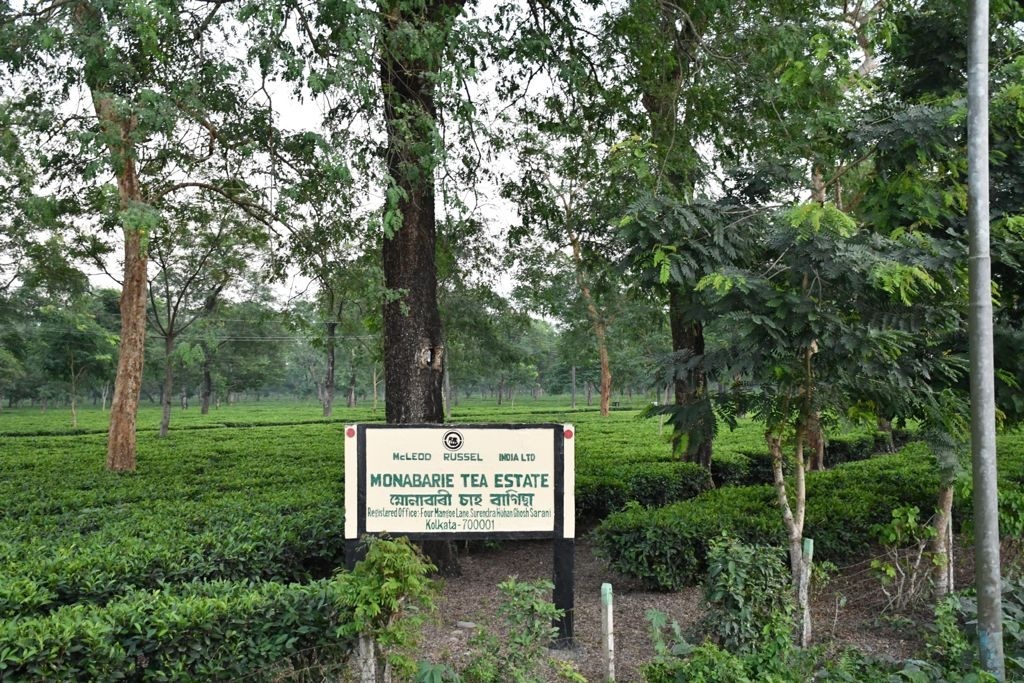
McLeod Russel cultivates, manufactures, and sells tea. It operates 31 estates in Assam, 2 in the Dooars (West Bengal), and owns or controls subsidiaries in Uganda, Vietnam, and Rwanda—though Vietnam’s stake was largely divested in 2023. The company produces mostly CTC tea (96% of output), the commodity darling of Indian blenders and exporters.
B.M. Khaitan Group owns the company. It’s part of the world’s largest tea producer by estate count, though not by volume anymore.
For a decade, the business has hemorrhaged cash. Debt ballooned while output fell. In 2019, the company began inter-corporate lending to the Khaitan group that later became non-recoverable. A NARCL/JCAF restructuring was announced in April 2026 and signed in May. As of the balance sheet date (31 March 2026), the process was incomplete—but the arithmetic had shifted.
3. Business Model: What Are They Even Doing?
The tea business works like this: plant leaves, harvest seasonally, dry and process on-site, auction or sell direct, pocket the margin.
McLeod has scale—33,000 hectares under cultivation—but not market power. The company produces 42 million kg of tea from its own leaf and buys more from other growers to blend and resell. Output is split: ~80% to India, ~15% to Uganda (now a separate operation), ~3% to others. The domestic market is fragmented, price-sensitive, and dominated by a few large players. Exports face competition from Kenya, Vietnam, and China.
The company was run as if it could pay 22% interest on debt while growing slowly. It couldn’t. That fiction ended in 2019 when lenders stopped renewing facilities.
Recent moves: The company has sold 21 estates (mostly in Assam) and marked four more for sale. Production capacity is being condensed into 32 remaining estates. Uganda is now ring-fenced as a subsidiary under Borelli Tea Holdings. Vietnam’s stake was monetized. Asset sales are meant to pay down debt, not fund growth.
Revenue declined 2.6% as volumes and prices both fell. EBITDA collapsed 43%, signaling margin compression even before interest and tax. The net loss shrank only because the company recorded ₹144.6 Cr in exceptional gains—the debt restructuring write-down of unpayable interest and unsustainable principal.
Strip the exceptional item: the core business lost ₹267 Cr.
Concall Notes: None conducted post-results as of the document date.
5. Market Expectations & Historical Multiples
This section describes how the market is currently pricing the company and how that compares with its own history and peer group. It is descriptive, not predictive.
Metric
Current
Historical 5-Year Average
Peer Median
P/E
(Negative; loss-making)
Negative
21.2
EV/EBITDA
(Negative)
Negative
N/A
P/B
0.96
Negative
0.9
ROCE
(4.7%)
(1.8%)
4.8%
ROE
(720%)
(90%)
3.8%
The market pays ₹64 for a ₹5 book value—a slight discount to the peer median. The company’s book value has collapsed from ₹197 Cr in FY24 to ₹(51) Cr in FY26 owing to cumulative losses and exceptional writedowns.
Negative returns on equity and capital reflect years of value destruction: assets are tied up in low-margin production while debt compounds at punitive rates.
What the market appears to be pricing: a restructuring play with downside risk. The valuation makes sense only if the debt resolution sticks and operations normalize. Otherwise,