Ritco Logistics Q4 FY26: Fleet on Lean, Equity on Heavier
General information and entertainment, not investment advice. The author is not a SEBI-registered adviser or research analyst. No recommendation, no promised returns. Markets carry risk including loss of capital. Figures may not be current. Consult a registered adviser before acting.
1. At a Glance
Ritco reported FY26 net profit of ₹36 crore on revenue of ₹1,499 crore—26% sales growth, but net profit flat year-on-year. The latest quarter (Mar 26) was brutal: ₹5.6 crore profit on ₹392 crore revenue, down 53% from the year-ago quarter. Operating margin compressed from 7.4% to 5.1% in the final quarter. Working capital remains stretched at 121 debtor days.
Yet order wins keep arriving at scale—₹152 crore in March alone, multimodal contracts expanding, and TrucksUp (the B2B load-matching platform) targeting ₹15 crore revenue for FY27 after two years of runway. The tension: topology and momentum are diverging.
2. Introduction
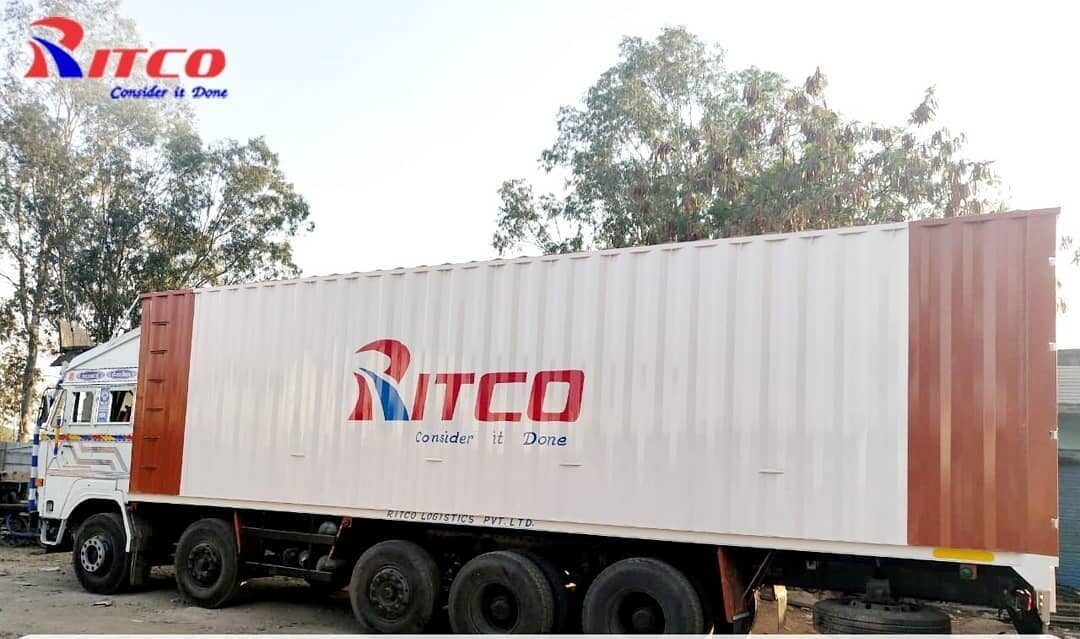
Ritco Logistics is a third-party logistics (3PL) provider incorporated in 2001. It operates as a petrochemical specialist—claiming the “number one choice” among Reliance, ONGC, GAIL, and others—while diversifying into infrastructure logistics, solar/renewable energy transport, and value-added services like warehousing and implant logistics (in-plant outsourcing). The company maintains an asset-light model: ~300 owned trucks, leveraging ~30,000 third-party trucks from a network of ~30,000 vendors. Network span is 300+ locations, 50 branches, 8–9 fleet hubs, and 3 lakh sq ft warehousing capacity (leased) across 6 states.
Recent months have seen a shift in focus: multimodal logistics (rail + road bundled as single solutions) is being positioned as a 3-year structural growth pillar, targeting 30% of the business mix by FY29. A preferential raise of ₹100 crore (Nov 2023) was deployed: ₹20 crore to TrucksUp (the subsidiary fintech marketplace for small truck operators), ₹80 crore into Ritco proper (working capital, tech, warehouse deposits). No capex for owned fleet acquisition is budgeted.
3. Business Model: WTF Do They Even Do?
Ritco bundles four core offerings. First, contract logistics and bulk/dedicated/FTL transportation—the backbone, ~90% of revenue, tied to petrochemical majors via 1–3 year contracts with fuel cost escalation clauses. Petrochemical share is claimed at 42–44% of business (though mix-shifting toward other sectors as the company wins steel, cement, and infrastructure deals).
Second, warehousing and distribution. The company operates a 3 lakh sq ft footprint on lease and positions implant logistics—Ritco handling a customer’s in-plant movement with Ritco manpower and Ritco forklifts—as a margin-rich adjacency (aiming for 20% operating margins on this segment vs 6–7% on core transport).
Third, multimodal solutions bundling rail and road, marketed as a resilience play during disruptions (rains, congestion) and a cost lever for long-haul bulk movements. The company is courting steel producers (Tata Steel, JSPL, Jindal Stainless all signed since May 2025) and bulk processors.
Fourth, TrucksUp—a B2B load-matching platform for India’s fragmented trucking sector. Differentiator is that it doesn’t take freight payment responsibility (unlike Porter); instead, it monetizes via subscriptions and ancillary services: fuel partnerships (HPCL, IOCL), insurance (four carriers), financing (Shriram Finance, AU Finance, HDFC), FASTag, and a used-truck marketplace (TrucksHub) connecting fleet owners ready to exit with aspiring owner-operators.
Translation: the company is a transportation player learning to sell logistics, and building a platform to fix the trucking supply side. Execution matters more than strategy here.
4. Financials Overview
Figures are consolidated, in ₹ crore. Result Type: Yearly. Latest Period: FY26 (Mar 2026).
Metric
FY24
FY25
FY26
YoY %
Revenue
931
1,187
1,499
26.3
Operating Profit (EBITDA)
75
90
98
8.9
OPM
8.1%
7.6%
6.5%
—
PAT
33
42
36
−14.3
EPS
13.48
14.90
12.57
−15.6
Concall Framing (Aug 2025):
Management articulated the margin structure as: B2B transport + value-added services (excluding warehousing/implant) run at 10–14% operating margins; warehousing and implant logistics run at 20%. The reported consolidated 6.5% OPM reflects the still-small scale of richer-margin services and a profit drag from TrucksUp startup losses. Management expects margin recovery “within one to three years” as implant/multimodal scale.
Q4 FY26 painted a sharper picture: quarterly revenue of ₹392 crore (+13.4%