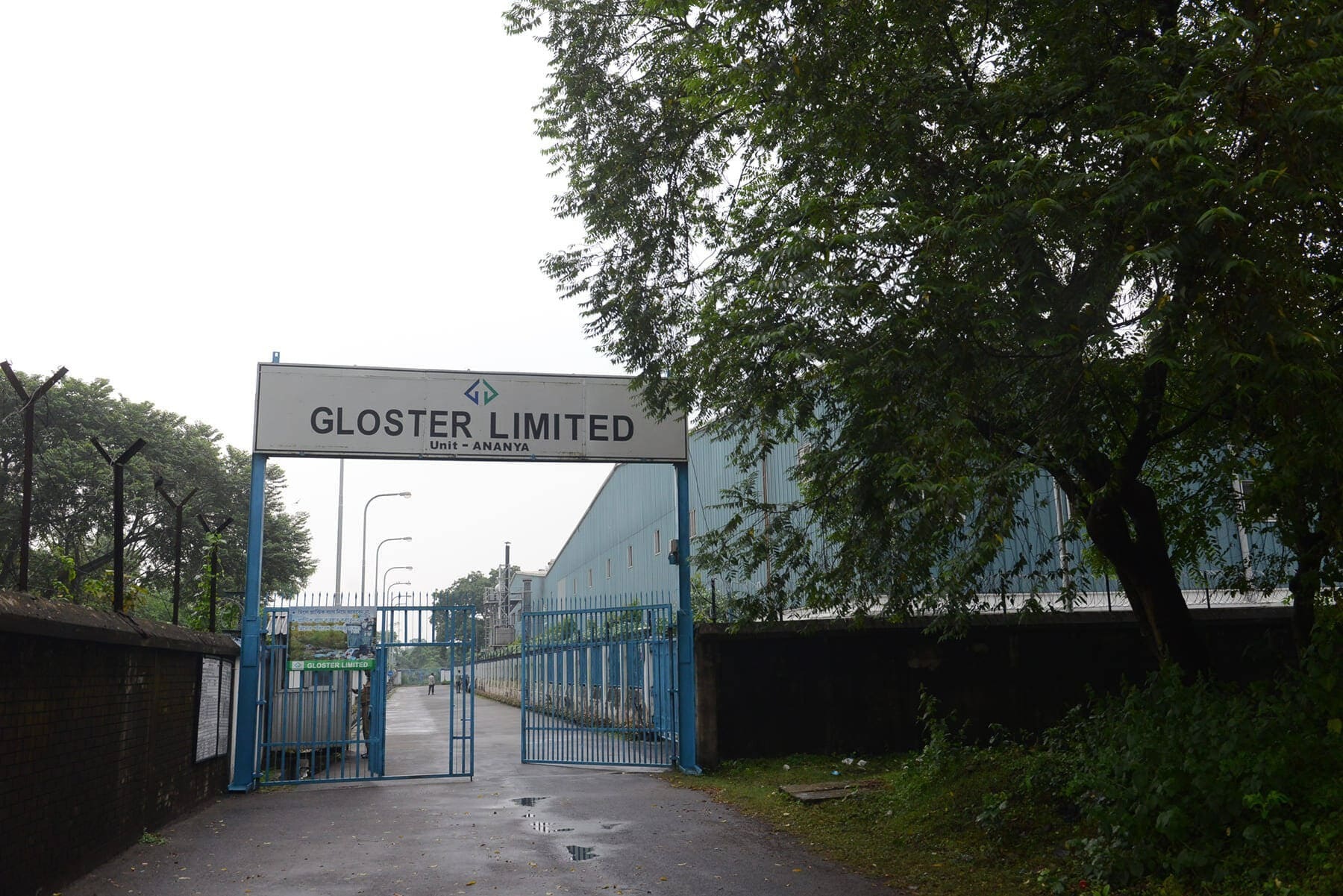
Gloster Ltd Mar 2026: A 40x P/E Multiplier Encased in a 1.67% Return on Equity Basket
Section 1 — At a Glance
The investment thesis for Gloster Ltd is structurally transforming from an ancient agricultural story into an intensely leveraged industrial gamble. Headlined by an explosive 36.0% year-on-year expansion in quarterly consolidated revenue to ₹378.40 crore for the period ending March 2026, the topline exhibits remarkable vigor. This apparent operational surge is underscored by a profound expansion in trailing twelve-month revenues, which closed at ₹1,427 crore, up from ₹735 crore in the preceding fiscal year.
However, beneath this veneer of aggressive revenue expansion sits a deeply concerning reality. Trailing twelve-month net profit printed at a modest ₹18.1 crore, yielding an return on equity of just 1.67%. Capital allocation efficiency remains under severe duress, marked by a return on capital employed of 5.64%. This asset-heavy framework has required significant capital expenditure, forcing total borrowings to swell dramatically to ₹959 crore.
The core tension for market participants lies in a striking valuation divergence: the equity trades at a premium trailing price-to-earnings multiple of 40.2 times, even as it commands a price-to-book ratio of just 0.67 times. The incoming capacity from multi-hundred-crore manufacturing projects must absorb massive overheads before interest costs erode ultimate profitability. High revenue growth without corresponding capital efficiency is simply an expensive way to burn cash. Investors are left to ponder whether these heavy manufacturing outlays will bear fruit or collapse under their own debt architecture.
Section 2 — Introduction
Gloster Ltd traces its lineage back to 1923, carrying a century of history embedded within its manufacturing plants. Long known as a traditional operator in the domestic jute space, the company specializes in processing natural fiber products, conventional packaging materials, and civil engineering textiles.
In recent periods, the company has attempted to orchestrate a pivot away from low-margin commodities toward high-value technical textiles and industrial infrastructure components. This corporate shift includes entering specialized lifestyle items and industrial cable assets, aiming to transform an old-economy business into a diversified capital goods player.
Section 3 — Business Model: WTF Do They Even Do?
Gloster occupies a peculiar structural position. The business functions part-time as a traditional jute miller and part-time as an industrial supplier. Around 30% of its revenue is tied to government sacking orders—a highly regulated, low-margin environment where pricing power is effectively zero.
The remainder of its traditional mix comprises hessian fabrics and shipping sacks, which together split its classic volume evenly. To escape this cyclical trap, the company manufactures specialized technical items like fire-retardant geo-textiles and hydrocarbon-free bags, alongside shopping totes under the Gloster Lifestyle banner.
Furthermore, the enterprise is pursuing an industrial cable production business through its subsidiary, Fort Gloster Industries Limited. Management is essentially trying to bundle agricultural packaging and heavy industrial electrical cables under the exact same corporate roof, a combination that keeps corporate strategists scratching their heads.
Section 4 — Financials Overview
Figures are consolidated, in ₹ crore.
Quarterly Performance
Metric
Latest Quarter (Mar 2026)
YoY (%)
QoQ (%)
Revenue
378.40
35.95
-1.10
EBITDA / Operating Profit
40.65
102.04
10.31
PAT
8.21
6.93
1209.46
EPS
7.50
6.84
1202.94
Operational earnings quality is driven entirely by the relationship between raw material inputs and fixed asset execution.
Did Management Walk the Talk?
Reviewing the historical guidance from prior cycles reveals explicit targets for heavy infrastructure outlays. Management previously outlined an expenditure of