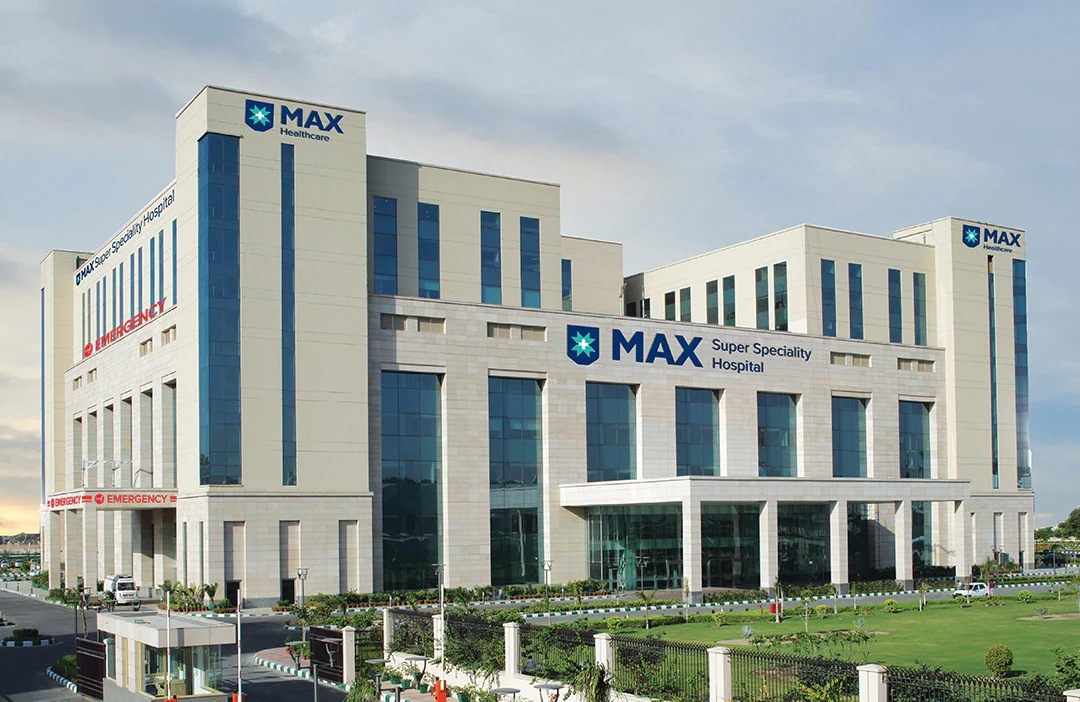
Max Healthcare Institute Ltd FY26: The ₹77,900 Bed Drama and the Great Oncology Mix Reset
At a Glance
An analysis of Max Healthcare Institute Limited’s performance reveals a company executing a massive multi-location infrastructure build-out while navigating a structural shift in its earnings composition. The headline numbers indicate steady top-line momentum, with consolidated sales reaching ₹8,373 crore for the full financial year ended March 31, 2026, marking a 19.1% growth over the previous year. Net profit for the fiscal finished at ₹1,442 crore, up from ₹1,075 crore in FY25.
However, beneath the macro growth trajectory, close inspection of the fourth quarter shows compressed operational indicators that have caught investor attention. The network average revenue per occupied bed (ARPOB) came in at ₹77,900, down from historical highs as the system absorbed a sudden drop in oncology segment revenues. This contraction stems from management’s decision to discontinue high-value chemotherapy drugs for institutional patients due to negative gross margins under regulatory pricing caps. Concurrently, the simultaneous rollout of brownfield capacities across multiple geographies has driven upfront doctor procurement costs and temporary operational inefficiencies, leading to a marginal dip in the core operating EBITDA margin to 26.8%.
While the organization boasts a clean balance sheet with low net leverage, the aggressive deployment of capital—including a fresh ₹1,400 crore greenfield commitment in Lucknow and the recent acquisition of Kalinga Hospital—places significant pressure on near-term execution timelines.
Introduction
Max Healthcare Institute Limited operates as one of the largest healthcare providers in India, anchoring its dominant cluster strategy primarily in premium, high-paying micro-markets like Delhi-NCR and Mumbai. Over the years, the corporate entity has successfully transformed itself from a structurally inefficient regional player into an aggressive aggregator of premium tertiary and quaternary care assets.
The corporate journey is characterized by large-scale consolidation and programmatic acquisitions, moving beyond its traditional strongholds into strategic growth nodes across North and Central India, such as Lucknow, Nagpur, and recently, Bhubaneswar. By scaling its specialized care facilities alongside asset-light adjacencies like Max Lab and Max@Home, the group leverages its centralized procurement, strong clinical brand equity, and a digital lead funnel to maintain superior unit economics across its expanding network.
Business Model: WTF Do They Even Do?
At its core, Max Healthcare operates a business model built on the simple realization that premium hospital beds in wealth-dense Indian metros generate absurdly high margins—provided you can keep those beds occupied with complex surgeries rather than routine fever treatments. The company is effectively a premium real estate manager where the tenants are top-tier doctors and the rent is paid through high-end quaternary clinical procedures like organ transplants and robotic neurosurgeries.
The monetization framework is divided into three buckets:
The Motherships: 21 healthcare facilities with an aggregate capacity of over 6,000 beds, heavily concentrated in regions with high insurance penetration and a high propensity to spend on healthcare.
The Satellite Feeders (Max Lab): A non-captive pathology business operating over 600 collection centers that picks up blood samples from active partners across 60+ cities and pumps high-margin diagnostic revenues back into the mothership ecosystem.
The In-Home Caregiver (Max@Home): A hyper-localized service that handles everything from home dialyses to post-operative physiotherapy, ensuring that patients don’t look at competing hospital chains when they get discharged.
By running a proprietary digital platform called “Max MyHealth,” management keeps over 1,35,000 monthly active users locked into their ecosystem, turning performance marketing spend into highly predictable inpatient footfalls.
Financials Overview
Figures are consolidated, in ₹ crore.
Metric
Latest Quarter (Q4 FY26)
YoY Growth
QoQ Growth
Revenue
₹2,142.89
50.60%
3.65%
Operating Profit
₹606.43
58.95%
12.65%
PAT
₹342.22
36.05%
13.72%
EPS
₹3.52
35.91%
13.92%
The reported quarterly top-line expansion appears visually spectacular on a standalone basis because it includes newly integrated assets, but the network’s underlying organic engine is working much harder to maintain its