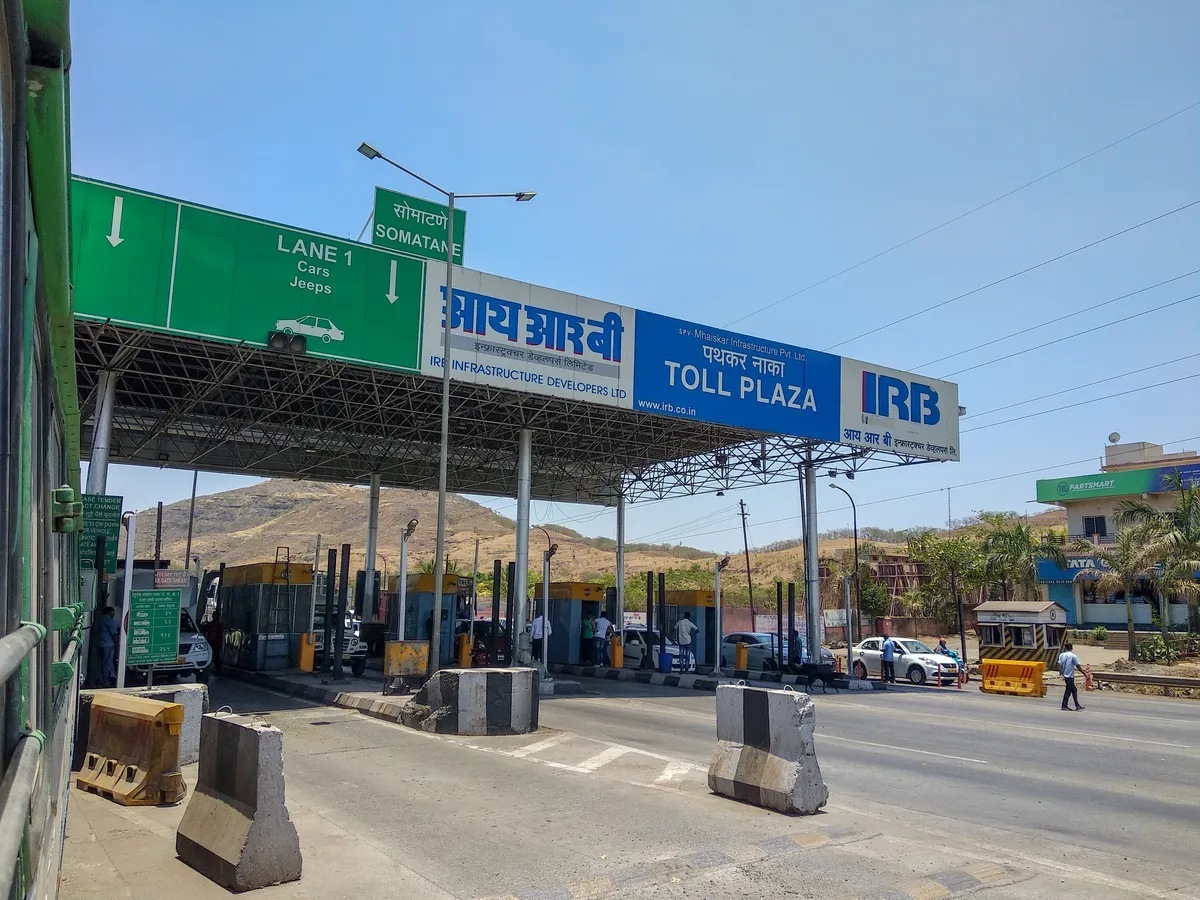
Section 1 — At a Glance
IRB Infrastructure Developers Ltd finished fiscal year 2026 with a decisive structural shift, transforming its balance sheet from an asset-heavy construction treadmill into an annuity-style project management and operations engine. Revenue from operations remained flat at ₹7,648.15 crore for FY26 compared to ₹7,613.47 crore in FY25, highlighting a cooling construction pipeline as older megaprojects like the Ganga Expressway and VM-7 near execution thresholds. However, operating profit (EBITDA) surged 14.69% to ₹3,982.15 crore, pushing core operating margins up to 52.07%. This structural margin expansion reflects a highly profitable corporate pivot toward operations and maintenance (O&M), where toll asset oversight commands superior margins compared to legacy engineering procurement construction (EPC) tasks.
Core financial quality improves when a business stops chasing low-margin volume and begins optimizing high-margin asset velocity.
While net profit normalized to ₹850.36 crore after an exceptional, asset-recycling heavy FY25 PAT of ₹6,480.68 crore, underlying operational cash flows remained robust. The market’s focus is anchored on IRB’s expanding operational footprint, highlighted by its 44% market share in India’s Toll-Operate-Transfer (TOT) segment following consecutive wins of the TOT-18 project and recent asset handovers. On the flip side, a shrinking EPC backlog—which fell to ₹1,600 crore—and a prolonged working capital cycle of 67 days continue to draw analytical scrutiny. The current valuation multiple of 29.7x P/E indicates the market has priced in smooth regulatory clearances, stable interest rates across special purpose vehicles (SPVs), and consistent distributions from its InvIT platforms.
Section 2 — Introduction
IRB Infrastructure Developers Ltd stands as India’s premier road developer and build-operate-transfer (BOT) operator, overseeing a vast network across 13 states. The business has historically operated on a hybrid asset model—bidding, building, and owning capital-intensive highway stretches. This analysis comes at a pivotal moment, as the company execution strategy shifts toward an asset-light, sponsor-led asset management model.
By offloading mature infrastructure assets into its dual investment trust platforms—the public IRB InvIT Fund and the private IRB Infrastructure Trust—the firm is systematically unlocking capital to insulate its corporate balance sheet from execution overruns and intense sector competition.
Section 3 — Business Model: WTF Do They Even Do?
IRB is effectively an infrastructure asset-churning machine operating under a proprietary framework management calls the “B.E.S.T.” model: Build, Execute, Stabilize, and Transfer. It identifies greenfield BOT and brownfield TOT highway opportunities, executes initial construction using its in-house engineering arm, and transitions mature, cash-generating toll roads into its InvIT platforms.
Its current revenue mix splits into construction and project development alongside high-margin toll operations. Geographically, its asset base spans strategic corridors, with Uttar Pradesh (21%), Rajasthan (17%), and Maharashtra (14%) anchoring the toll collection baseline. Instead of holding onto assets indefinitely, IRB captures steady