Zydus Wellness Mar 2026: The ₹3,200 Crore Debt Spike Fueling Global Ambitions
Section 1 — At a Glance
Zydus Wellness Limited closed the financial year ending March 31, 2026, with a spectacular top-line breakout that has sharply divided investor attention. Total revenue from operations for FY26 rocketed by 46.2% to ₹3,961 crore, up from ₹2,708.9 crore in the previous fiscal year. This dramatic surge was punctuated by an extraordinary Q4 FY26 operational revenue performance of ₹1,484.7 crore, marking a 62.6% growth over the corresponding quarter of the previous year. However, this explosive growth came at a significant near-term cost to the bottom line. Full-year consolidated net profit after tax (PAT) plunged by 43.2% to ₹197.2 crore, compared to ₹346.9 crore in FY25, while quarterly PAT compressed by 5.8% to ₹162 crore.
The stark divergence between top-line expansion and bottom-line contraction is primarily a product of structural transformations. The company aggressively pursued international expansion by finalizing the acquisition of Alidac UK Limited (Comfort Click) for GBP 239 million, funding it via heavy debt that reshaped the balance sheet. While consolidated EBITDA rose 34.2% to ₹509.7 crore for the full year, a massive spike in financing costs to ₹98.1 crore and elevated depreciation of ₹146.7 crore dragged down reported earnings quality. Investors are currently weighing the structural margin expansion of the premiumized portfolio against the financial drag of an overnight leverage spike. Ultimately, a breakout in revenue is a vanity metric if the cost of capital structural overhauls dilutes the immediate return to the residual shareholder.
Section 2 — Introduction
Zydus Wellness has long operated as a formidable player in the Indian fast-moving consumer goods (FMCG) and wellness ecosystem, managing an established stable of defensive consumer brands. The business encompasses the entire value chain—spanning R&D, manufacturing, and distribution of health-focused product portfolios. Historically, the company has grown by accumulating high-market-share assets in niche categories, such as low-calorie sweeteners and seasonal personal care.
The publication of the March 2026 financial results marks an essential inflection point for the company. Zydus Wellness has effectively transitioned from a primarily domestic consumer defensive stock into a highly leveraged, digital-first international health and wellness platform. With the rapid integration of Naturell India and the massive cross-border acquisition of the UK-based vitamins, minerals, and supplements (VMS) platform Comfort Click, the corporate narrative has shifted from steady volume growth to aggressive synergy extraction. This review deconstructs whether this cross-border gamble is structurally sound or financially overextended.
Section 3 — Business Model: WTF Do They Even Do?
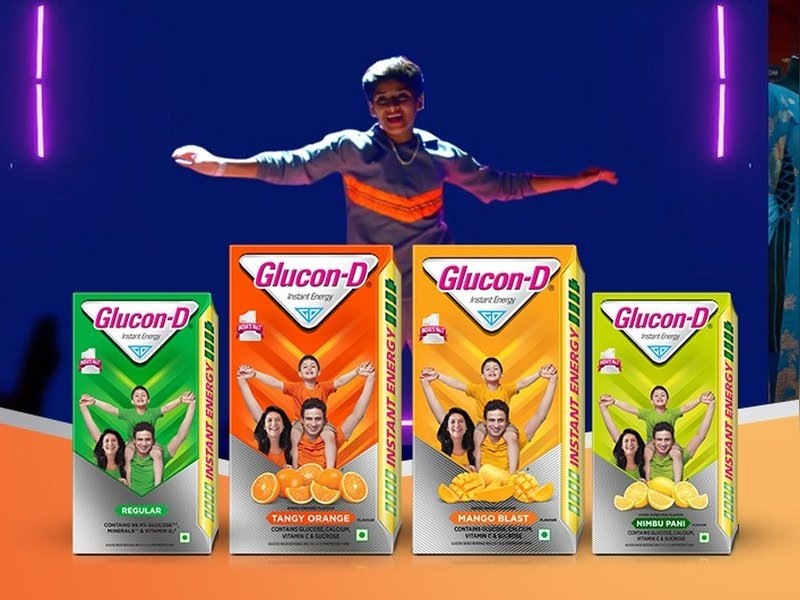
Zydus Wellness splits its operational machinery into two primary functional categories: Food & Nutrition and Personal Care. The legacy portfolio features dominant consumer assets that exhibit massive market control. They run a legal monopoly in the sugar substitute category, controlling a 96.1% market share through Sugar Free. On hot summer days, their cash register rings via Glucon-D (holding a 58.9% glucose powder market share) and Nycil (commanding 33.2% of the prickly heat powder market). On the personal care front, Everyuth commands 48.6% of facial scrubs and 75.5% of peel-off masks.
The new-age business engine looks completely different. Through RiteBite Max Protein, the company participates in the high-protein snacking market across bars, cookies, and chips. Meanwhile, the newly acquired Comfort Click introduces a direct-to-consumer (D2C) and e-commerce marketplace framework selling vitamins and pet supplements across Europe and the UK. Zydus distributes these goods through a massive domestic footprint of over 1,950 distributors and 2.8 million retail touchpoints, alongside an internationally sophisticated, AI-driven digital pipeline.
Section 4 — Financials Overview
Figures are consolidated, in ₹ crore.
Quarterly Comparison Table
Metric
Latest Quarter (Mar 2026)
YoY (Mar 2025)
QoQ (Dec 2025)
Revenue
1,484.70
913.10
964.90
EBITDA / Operating Profit
270.10
190.00
61.00
PAT
162.00
171.90
-39.90
EPS (₹)
5.09
5.40
-1.25
Did Management Walk the Talk?
During the previous corporate updates, management consistently pointed toward structural gross margin improvements and premiumization. Looking at the performance, gross margins expanded significantly by 1,000 basis points in Q4 FY26 to 64.8%, driven by a higher mix of premium international