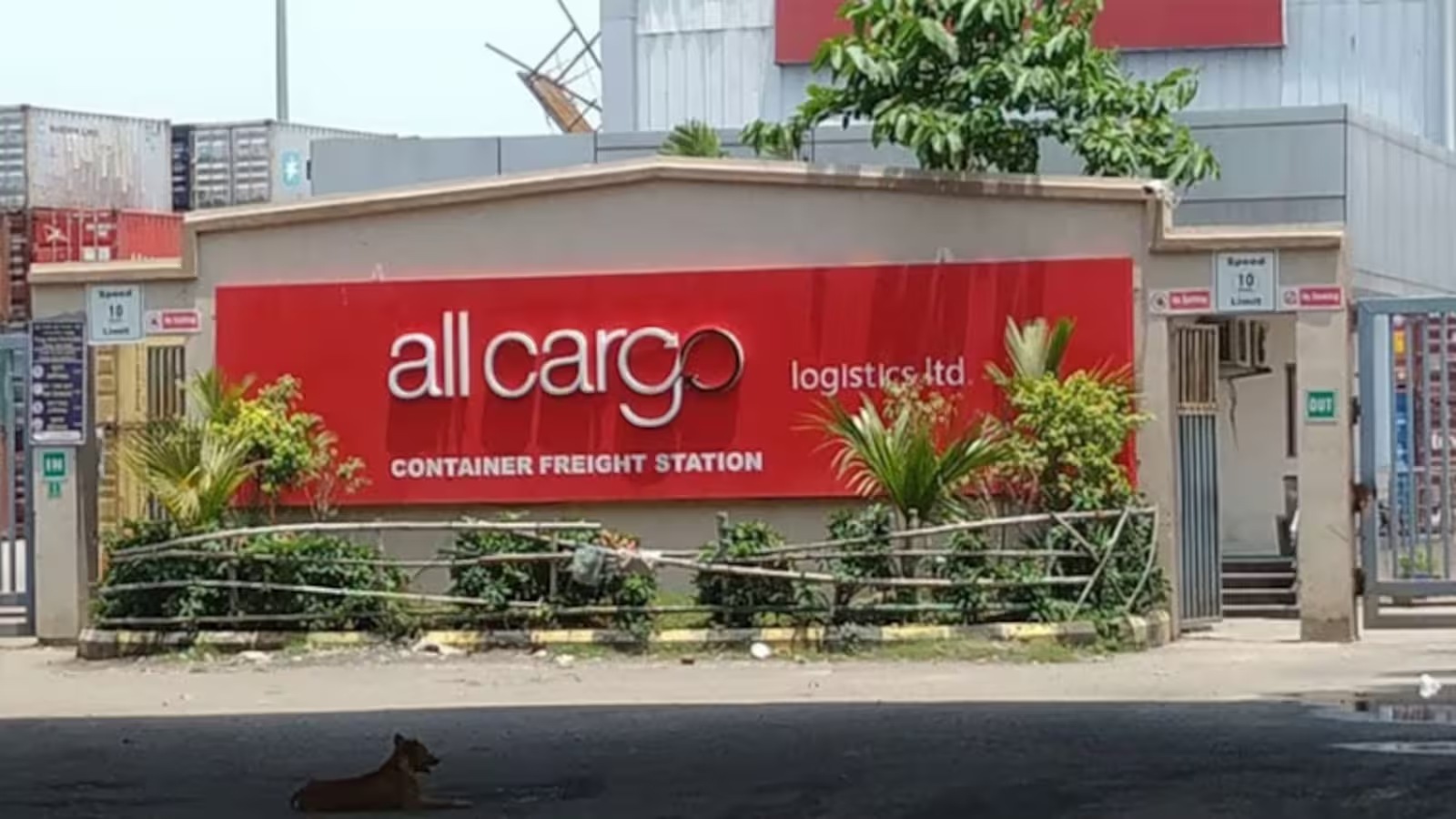
Allcargo Logistics Ltd Q4 FY26: The Restructuring Illusion Meet The Grim Reality Of A 257x P/E
1. At a Glance
The financial reports of Allcargo Logistics Ltd resemble an active architectural construction zone. If you look at the surface, you see the grand declarations of an ambitious corporate restructuring plan: a massive multi-step composite scheme of arrangement involving demergers, corporate mimicry, and a full-scale absorption of Allcargo Gati Ltd. The headline makers want you to focus on the narrative of a lean, mean, asset-light domestic express champion that services 100% of India’s serviceable PIN codes.
But look closer at the actual audited numbers for the full financial year ending March 31, 2026, and the narrative cracks open. The core corporate engine generated a massive total operating revenue of ₹2,058 crore for FY26. While that looks stable against the restated FY25 figure of ₹1,961 crore, the structural foundations tell a completely different story.
The bottom-line performance is in a state of absolute breakdown. The company closed FY26 with a consolidated Profit After Tax (PAT) of just ₹8.00 crore. Let that sink in. For a business carrying a market capitalization of ₹1,284 crore, an annual profit of ₹8.00 crore gives it an astronomical trailing Stock Price-to-Earnings (P/E) ratio of 257x.
The structural stress points multiply across the operational balance sheet. Allcargo is operating with an interest coverage ratio sitting at a dangerous 0.98x on a trailing basis, meaning its core earnings are failing to safely cover its financial interest obligations. The debt-to-equity ratio has hit a strained 1.21x, driven by a total borrowing mountain of ₹693 crore resting on a heavily reduced consolidated equity base.
Compounding these structural risks is an ongoing legacy tax investigation. The financial footnotes confirm that the Income Tax Authorities executed search operations across multiple company premises, subsidiaries, and key managerial residences. While the company claims full cooperation, it has received formal notices under Section 158BC for a block assessment period.
Are the operational cost savings from this corporate demerger real, or are we looking at an accounting smoke-and-mirrors game designed to obscure an underlying operational breakdown? Let us begin the deep dive.
2. Introduction
Allcargo Logistics Ltd was incorporated in 1993 and historically positioned itself as one of India’s most diversified private sector integrated logistics solution providers. For years, the market viewed it through the lens of its massive global footprints, driven primarily by its international Less than Container Load (LCL) consolidation business under the “ECU Worldwide” banner. This segment operated across 4,000 port pairs and 180 countries, acting as a high-volume macroeconomic engine.
However, the historical corporate structure was highly complex, mixing high-margin international freight forwarding with volatile domestic express tracking, contract logistics, and project engineering solutions. This operational mix created a structural conglomerate discount, preventing the market from valuing the fast-moving consumer fulfillment lines independently from global maritime cyclicality.
To fix this structural valuation lag, the board initiated a massive corporate re-engineering blueprint. The multi-legged structural transformation involved demerging the International Supply Chain (ISC) business into a completely separate listed vehicle called Allcargo ECU Limited (holding the global subsidiaries under ECU Worldwide NV). Simultaneously, the contract logistics and domestic express components were combined by absorbing the listed entity Allcargo Gati Ltd (formerly Gati Limited) along with its sub-units.
The corporate transition concluded with the National Company Law Tribunal (NCLT) sanctioning the scheme on October 10, 2025, with the corporate amalgamation taking absolute structural effect on November 1, 2025. Today, Allcargo Logistics stands as a pure-play domestic express and contract logistics business, stripped of its international maritime operations. The historical financial statements have been completely restated to isolate this domestic structure, leaving investors with a clean look at the stand-alone economic performance of the domestic logistics engine.
3. Business Model – WTF Do They Even Do?
Strip away the fancy corporate vocabulary like “multimodal connectivity solutions” and “synchronized hub-and-spoke infrastructure,” and Allcargo’s operational business model comes down to a clear economic utility function: moving cargo from Point A to Point B across India without owning the heavy underlying transport assets.
The business operates an asset-light fulfillment network. It does not buy or maintain thousands of commercial transport trucks; instead, the entire line-haul fleet of over 9,000 transport vehicles is hired on a variable rental basis from third-party vendor pools. The company provides the routing intelligence, tracking software, and physical transit checkpoints, while the vendor absorbs the vehicle depreciation and asset maintenance risks.
Following the exit from the international supply chain and the complete closure of its legacy retail fuel station business, the company’s remaining revenue relies on three domestic pillars:
Surface Express (64% of Segment Revenue): This is the core bulk volume mover. It focuses on Part Truck Load (PTL) cargo, moving commercial merchandise across regional enterprise accounts, small and medium enterprises (SMEs), and retail hubs.
Contract Logistics (21% of Segment Revenue): This vertical manages long-term, specialized warehousing operations. It controls over 8 million square feet of automated fulfillment space, catering to high-touch industry sectors like automotive supply lines, complex chemical storage, and fast-moving retail.
Air Express and Support Services (Remaining Balance): This handles time-critical, high-value commercial shipments requiring rapid multi-city consolidation.
The core vulnerability of this model is its exposure to intense price wars. Because anyone with a phone and a few vendor connections can start a regional freight brokerage, the industry is highly fragmented. This limits Allcargo’s pricing power, leaving its margins vulnerable to rising line-haul costs and volume shifts from major e-commerce clients.
4. Financials Overview
The performance numbers for the quarter ended March 31, 2026, show a business experiencing significant operational friction.
Consolidated Quarterly Financial Performance
All figures are reported in ₹ Crores (except P/E Ratio).