The oilfield services sector is not for the faint of heart. It requires heavy iron, deep pockets, and a stomach for the cyclical nature of energy exploration. Aakash Exploration Services Limited (AESL) has just dropped its audited results for the final quarter of FY26, and the numbers are shouting louder than a diesel generator on a drilling floor. With a massive 571% jump in quarterly Net Profit year-on-year, the company is demanding a seat at the high table of oil and gas service providers.
1. At a Glance
If you want to understand the grit of the Indian energy service sector, look no further than the recent performance of Aakash Exploration. The company has clocked a Total Revenue of ₹33.24 crore in Q4 FY26, up from ₹26.15 crore in the same period last year. But revenue is just the surface. The real story lies in the bottom line, where Net Profit reached ₹1.88 crore for the quarter, compared to a meager ₹0.28 crore in Q4 FY25.
Investors are waking up to a company that has managed to double its full-year profit from ₹1.84 crore in FY25 to ₹3.50 crore in FY26. However, before you break out the vintage bubbly, a serious look at the cash flows and operational efficiencies is mandatory. While the growth looks sensational on paper, the company operates in a capital-intensive graveyard where equipment depreciation can eat margins for breakfast.
The Return on Equity (ROE) sits at a humble 5.63%, and the Return on Capital Employed (ROCE) at 7.93%. These are not numbers that scream “efficiency.” They scream “recovery.” The company is currently hauling around ₹22.2 crore in debt, and while the debt-to-equity ratio of 0.35 is comfortable, the “Issuer Not Cooperating” tag from CARE Ratings in mid-2025 serves as a massive red flag that every serious investor must investigate.
Is this a genuine turnaround or just a lucky streak of contract wins? The company recently bagged a ₹50 crore contract from ONGC for workover rig services. This is significant for a company with a market cap of just around ₹89 crore. The market is pricing this at a P/E of 25.5, which is a premium compared to the industry median of 16.1. You are paying for growth that hasn’t fully stabilized yet.
2. Introduction
Aakash Exploration Services Limited (AESL) is an Ahmedabad-based provider of specialized services for the oil and gas industry. They don’t find the oil; they help get it out of the ground once the drilling is done. Think of them as the specialized mechanics of the oil field.
The company has been around since 2007, starting as a partnership firm before going public. Today, it boasts an impressive client list including heavyweights like ONGC, Oil India, Reliance, and Vedanta. When you work with the biggest names in the business, your technical competency isn’t in question—but your ability to manage a balance sheet often is.
Operating in the production stage, AESL provides Workover Rigs, Air Compressors, and Sucker Rod Pumping (SRP) units. Their business is essentially a play on the Capital Expenditure (CAPEX) cycles of major oil producers. When oil prices are stable and exploration picks up, AESL’s equipment stays busy.
The company recently shifted its registered office within Ahmedabad, a move that usually signals a change in scale or operational restructuring. With a promoter holding of 66.5%, the founders have significant skin in the game. But as we dive deeper, we will see if that skin is being protected at the cost of public shareholders.
3. Business Model – WTF Do They Even Do?
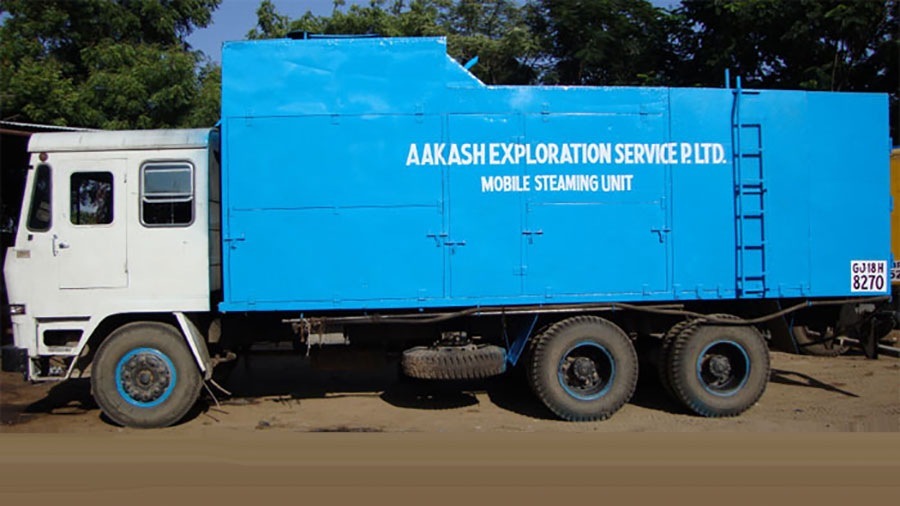
AESL provides the “muscles” for oil fields. Once a well is drilled, it doesn’t just sprout oil like a fountain. It needs maintenance, stimulation, and mechanical assistance to keep the flow going. This is where AESL’s fleet of 15 rigs, 6 mobile steaming units, and 9 mobile pumping units comes into play.
They offer services like Well Head Maintenance (WHM) and Hot Oil Circulation. Basically, if a well gets “constipated” with paraffin or debris, AESL sends in the heavy machinery to flush it out. It’s dirty, dangerous, and highly technical work that requires ISO certifications and a workforce that doesn’t mind getting their hands greasy.
The business model is heavily dependent on tenders. They bid for 2-to-5-year contracts with PSUs like ONGC. While this provides “predictable”