At a Glance
The Indian paint industry is no longer the cozy oligopoly it once was. With a heavyweight challenger aggressively buying its way into dealer shelves and the monsoon playing spoilsport well into October, the stakes for the silver medalist have never been higher. Berger Paints India recently concluded its financial year 2025-26, presenting a paradox of soaring volumes and struggling value. While the company successfully pumped 11.8% more paint into the market during the final quarter, the money hitting the top line only grew by 6.7%. This persistent gap between volume and value is the ghost that continues to haunt the sector.
Investors are watching a balancing act of epic proportions. On one hand, Berger is fighting for every inch of market share, currently holding strong at approximately 20% among listed peers. On the other, it is navigating a landscape where the “downtrading” phenomenon is being rebranded as “uptrading” from distemper to economy emulsions. The company managed to claw back its Gross Margins to a 12-quarter high of 42.3%, a feat achieved by mixing premium product pushes with a lucky break from the withdrawal of anti-dumping duties on Titanium Dioxide.
However, the floor beneath the feet of paint companies is shifting. The management’s own admission of a 0.2% market share loss (slipping from 19.6% to 19.4%) serves as a stark reminder that even the second-largest player isn’t immune to the “Birla” effect. With a massive ₹1,800–2,000 crore capex pipeline for new plants in Panagarh and Odisha, Berger is betting big that the future of Indian walls lies in construction chemicals and waterproofing—segments that are currently outperforming but come with lower average selling prices. Is the company building a fortress, or just painting over the cracks of a hyper-competitive market?
Introduction
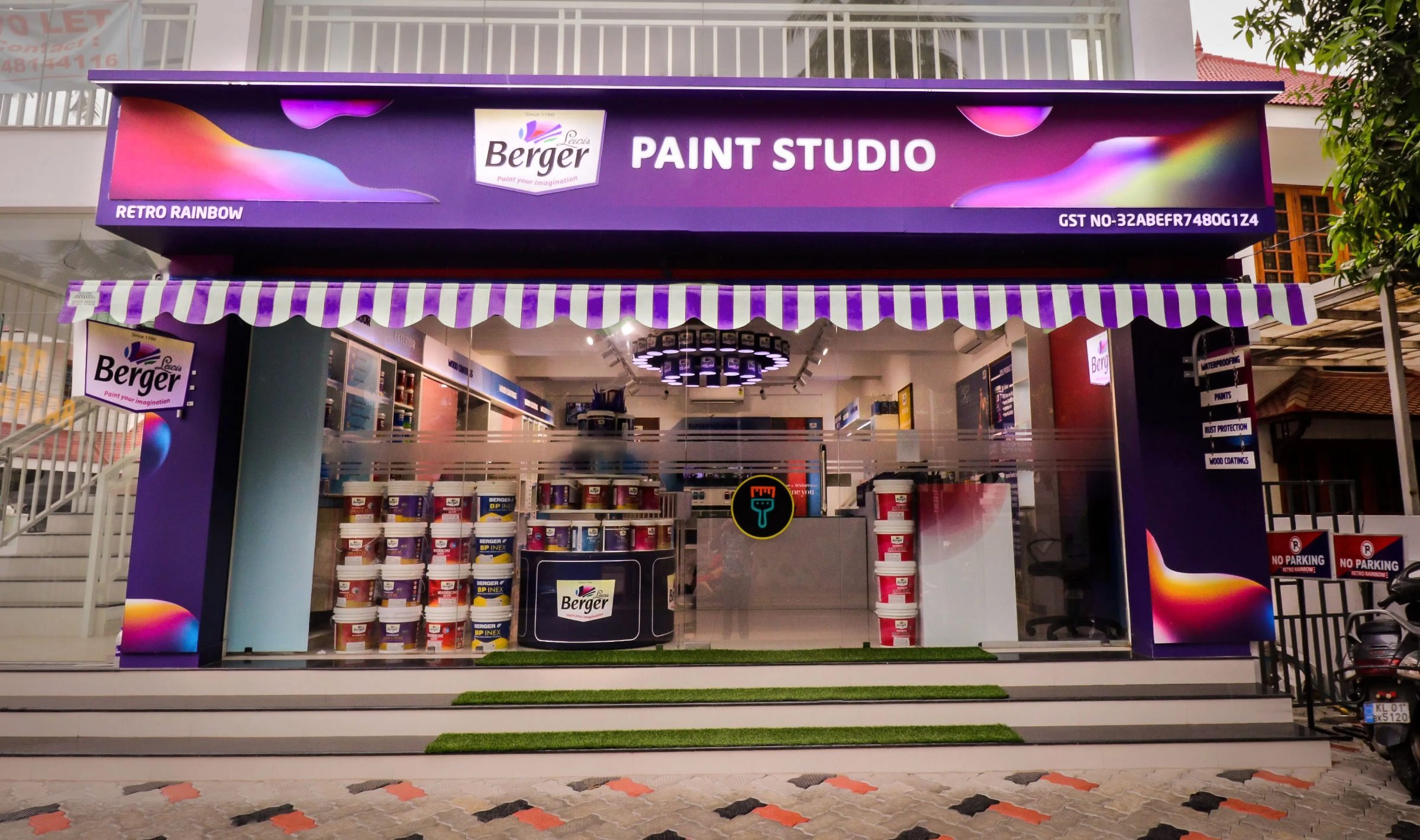
Berger Paints is not just a company; it is a legacy that spans over a century, evolving from a 1923 incorporation into the 2nd largest paint company in India and the 7th largest decorative paint maker globally. It operates in a market where brand recall and distribution depth are the only real moats. With over 61,000+ dealers and a retail footprint exceeding 1,900 exclusive stores, Berger has built a nervous system that reaches the deepest corners of the Indian hinterland.
The business is split into two primary worlds: Decorative (80%) and Industrial (20%). While the decorative side deals with the whims of homeowners and the timing of Diwali, the industrial side is a high-stakes game of providing protective coatings to giants like Tata Motors, Mahindra & Mahindra, and Ashok Leyland. This diversification is meant to provide a cushion, yet both segments currently face distinct headwinds—competitive pricing in decorative and a “muted” recovery in protective coatings.
Recent quarters have tested the management’s resolve. The narrative has shifted from “growth at any cost” to “defending the turf while maintaining margins.” The company has been aggressively installing Color Bank machines, adding over 2,600 units in the last quarter alone, to ensure that the dealer is locked into their ecosystem. But with the cost of keeping painters loyal rising and newer entrants offering irrational schemes, the “paint war” is entering a grueling phase of attrition.
Business Model – WTF Do They Even Do?
At its core, Berger is a chemical blender with a world-class marketing engine. They take expensive stuff like Titanium Dioxide and crude derivatives, mix them with secret recipes, and sell them as “Weathercoat” or “Silk” to people who want their homes to look expensive.
The Decorative Engine
This is where the bread is buttered. They sell everything from basic distemper (the stuff that leaves white powder on your clothes) to premium emulsions that promise to keep your walls “silky” for years. The recent focus has been on Construction Chemicals and Waterproofing, because apparently, Indian roofs leak more than corporate secrets. This segment is outperforming the core paint business, but it’s a double-edged sword—these products are high-volume but lower-value, which explains why volume growth looks great while the bank balance grows slower.
The Industrial Shield
If a bridge doesn’t rust or a Mahindra SUV looks shiny, there’s a good