1. At a Glance
Gillanders Arbuthnot & Company Ltd (GACL) is a 91-year-old corporate fossil that has somehow managed to keep its head above water in an era of digital disruption. With a market cap of just ₹ 209 Cr, this micro-cap dinosaur is currently juggling four completely unrelated balls: Tea, Textiles, Engineering (MICCO), and Real Estate. It is the ultimate “jack of all trades, master of none” setup that keeps investors both intrigued and terrified.
The latest audited figures for FY26 show a company in the middle of a massive identity crisis. While it generated ₹ 431 Cr in sales, its operating profit margin (OPM) is a razor-thin 5.42%. The most sensational development is the shift in revenue mix. The Engineering division, once a side show, contributed 32% of revenue in FY25, up from its historical 7-12%.
However, don’t let the growth distract you from the red flags. The company is hauling ₹ 149 Cr in debt against a microscopic net profit of ₹ 9.47 Cr. The interest coverage ratio is a shaky 1.85, meaning they are barely making enough to keep the bankers happy. Furthermore, the company reported a -3.89 Cr PAT for the latest quarter (Mar 2026), a massive 283% drop YoY.
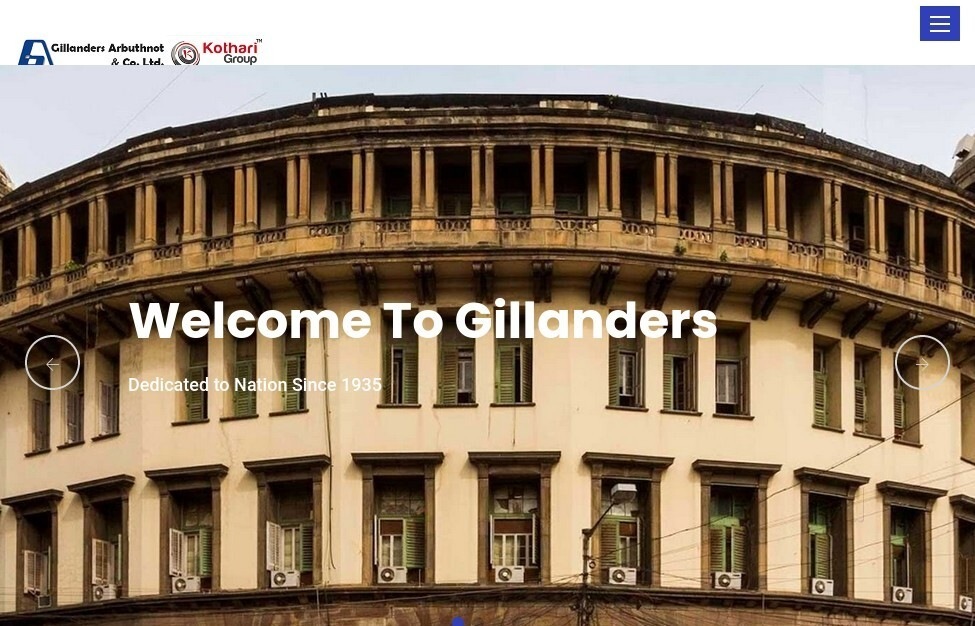
Promoters hold a massive 69.05% stake, leaving very little for the public. They own the iconic Gillander House in Kolkata, yet the stock trades at a Price to Book of 0.82. Why is a company owning prime real estate and producing 10 million kg of tea trading like a distressed asset? The answer lies in its erratic profitability and a “Sab Number Game Hai” cash flow situation.
2. Introduction
Gillanders Arbuthnot is not your average company; it is a legacy conglomerate part of the Kothari Group. Established in 1935, it has survived world wars, independence, and the license raj. Today, it operates as a multi-divisional entity, but its financials look more like a battlefield than a balance sheet.
The company’s operations are spread across West Bengal and Assam for Tea, and it has a significant textile footprint with 50,000 spindles. The Engineering division, branded as MICCO, handles EPC and turnkey projects across India. Adding to this eclectic mix is the Property division, which earns rent from the historic Gillander House.
In FY23, they even went international, subscribing to shares in Gillanders Holdings (Mauritius) Ltd. While diversity is usually a strength, for GACL, it often feels like four different companies fighting for the same limited capital. The latest audited results for the year ended March 31, 2026, show a company that is finally trying to professionalize, but the weight of its legacy costs and volatile commodity prices (Tea and Yarn) continue to drag it down.
3. Business Model – WTF Do They Even Do?
If you asked a smart but lazy investor what Gillanders does, they’d probably say, “They sell tea to buy yarn to build factories to pay the rent.” It sounds like a chaotic board game, but it’s actually a four-pronged strategy.
- Tea Division: They produce around 10 million kg of tea annually. With 6 factories and 8 gardens across 3100 hectares, they are a serious player in Assam and Dooars. But tea is a moody business; if the rain doesn’t show up, the profits vanish.
- Textiles Division: They run 50,000 spindles