1. At a Glance
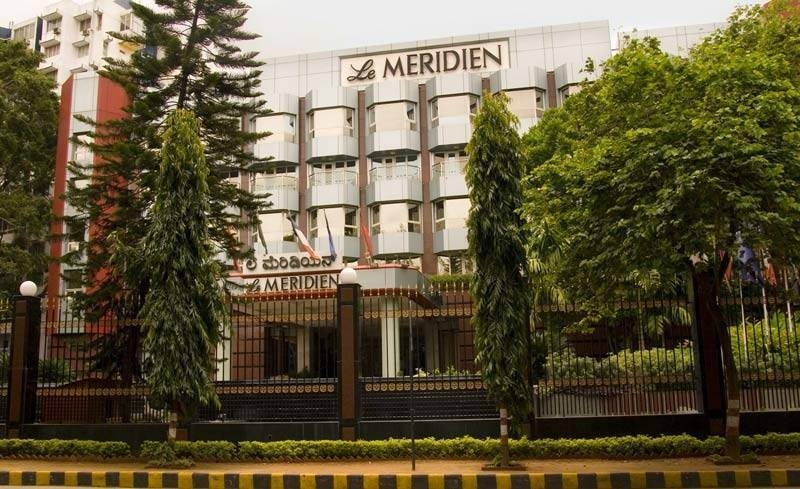
Mac Charles (India) Ltd is currently a financial paradox that would make a seasoned auditor sweat. On one hand, you have a company reporting a consolidated net loss of ₹116 Crore for FY26, with a negative return on equity (ROE) of a staggering -130%. On the other hand, it has successfully transformed the iconic Le Méridien site in Bengaluru into Embassy Zenith, a Grade-A commercial marvel now fully leased to a global tech titan, Apple India.
The numbers are gaining investor attention for all the wrong reasons first: a debt pile that has ballooned to ₹1,508 Crore and an interest coverage ratio sitting at a precarious 0.55. However, the “hook” is the sudden jump in quarterly sales, which spiked by 1,568% YoY as lease rentals finally started hitting the books in October 2025. The company is effectively a highly leveraged bet on Bengaluru’s premium real estate, managed by the Embassy Group.
But beneath the surface of new glass facades and premium pin codes lies a balance sheet where reserves have turned negative (-₹24 Crore), and the company is burning cash in financing activities just to keep the engine running. Investors are watching a high-stakes transition from a hospitality-and-wind-power legacy to a pure-play commercial landlord. The question isn’t just about the rental yield; it’s about whether that yield can ever outrun the massive interest costs.
2. Introduction
Mac Charles (India) Limited (MCIL) is no longer the sleepy hotel company it once was. Established in 1979, its identity was long tied to the Le Méridien Bangalore. Today, that hotel is gone, replaced by “Embassy Zenith,” a 3.89 lakh sq. ft. commercial powerhouse.
The company operates in two distinct segments: Real Estate Development and Wind Power Generation. While wind power (located in Bellary) provides some utility-like stability, the real action—and the real risk—is in the “Embassy” branded real estate projects.
Controlled by the Embassy Group (holding 73.41%), the company is being used as a vehicle for aggressive commercial expansion. This includes the completed Zenith project and the upcoming “Embassy Hub,” which is currently in the design and land acquisition phase.
Financially, the company is in a “construction-to-cash-flow” transition phase. This transition is painful. The P&L is currently riddled with “exceptional items” like prepayment penalties on old loans as they refinance into Lease Rental Discounting (LRD) structures.
For the general public, Mac Charles represents a classic case of a “Special Situation” stock. It has high-quality assets but a high-anxiety balance sheet. As we dive deeper, we will see if the Apple lease is a permanent life jacket or just a temporary float.
3. Business Model – WTF Do They Even Do?
The business model is surprisingly simple: they take prime land, borrow an ungodly amount of money to build premium offices, and then lease them to companies that have more cash than some small nations.
The Real Estate Play
They specialize in Grade-A commercial spaces. Their crown jewel, Embassy Zenith, achieved a rental of ₹235 per sq. ft., which is nearly double the market average of ₹100-150 in the Bengaluru CBD. How? By offering “premium specifications” and letting the tenant (Apple) spend ₹10,000 per sq. ft. on fit-outs. Once a tenant spends that much on interiors, they aren’t leaving anytime soon.
The Wind Power Side-Hustle
They own 5 wind turbine units in Bellary. This segment contributed about 97% of revenue in FY23, but as the commercial projects go live, this will become a rounding error. It’s the