The pharmaceutical sector is often a game of steady margins and regulatory hurdles, but every so often, a quiet player breaks the ceiling. This company has just reported a fiscal performance that demands immediate attention. With a net profit jump of 61% in the latest quarter and a staggering dividend announcement of 207% (₹22.07 per share), the numbers are screaming louder than the marketing. While the broader market focuses on high-flying tech, this mid-cap pharma entity is sitting on a cash pile, maintaining a debt-to-equity ratio of practically zero, and yielding a return on capital employed (ROCE) that would make blue-chip giants blush.
However, beneath the shiny surface of these triple-digit growth percentages, there are red flags that a casual observer might miss. The company has faced a lethargic sales growth of just 9% over the last five years, suggesting that while it is a master of efficiency, it struggles with raw scale. Furthermore, the recent “Revised Labour Codes” have suddenly slapped a ₹3.95 crore liability onto their books, impacting the final bottom line. Is this a peak performance before a plateau, or is the new wellness division finally providing the multi-bagger fuel investors have been waiting for?
1. At a Glance
The financial year ending March 2026 has been nothing short of a rollercoaster for this pharmaceutical powerhouse. We are looking at a company that has managed to push its Operating Profit Margin (OPM) to 32% in the final quarter, a significant jump from the 21% seen just a year ago. It is a rare feat to see such margin expansion in a competitive landscape where raw material costs usually eat into the vitals of pharma businesses.
The investor community is currently buzzing about the 207% dividend—a bold move that signals management’s confidence in its liquidity. But a detective-style look at the books reveals a different story about growth. While profits are soaring, the top-line revenue growth has been a modest 11.2%. The company is essentially getting better at squeezing more juice from the same orange, rather than planting more trees.
There are also subtle shifts in the power structure. The promoter holding has seen a tiny but persistent shaving, currently standing at 46.6%. Meanwhile, FIIs like the Fidelity Northstar Fund, which previously held a stake, have completely exited the building. Why is the “smart money” leaving just as the company hits record profits?
Furthermore, the balance sheet shows a massive increase in Bank Balances, which sounds great until you realize they are paying out massive dividends instead of aggressive R&D reinvestment. The R&D expenditure as a percentage of sales remains a rounding error compared to industry leaders. This is a classic “Cash Cow” scenario, but in the pharma world, if you aren’t innovating, you’re expiring.
- Net Profit Surge: 61% YoY growth in Q4.
- Dividend Bonanza: ₹22.07 per share (207%).
- Efficiency King: ROCE stands at a healthy 27.2%.
- The Lag: Sales growth over 5 years is stuck in single digits (9.08%).
Is this a strategic masterpiece of efficiency, or is the management preparing for a slow exit by emptying the coffers via dividends?
2. Introduction
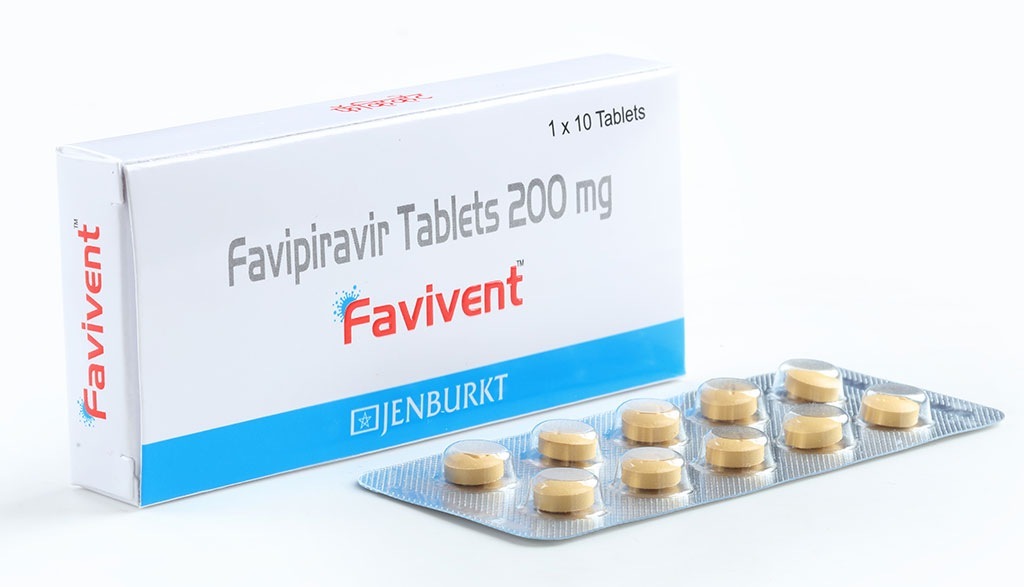
Jenburkt Pharmaceuticals Ltd, established in 1985, has spent decades carving out a niche in the branded pharmaceutical formulations space. Headquartered in Mumbai, the company operates with a lean model that emphasizes a strong domestic presence (82% of revenue) supplemented by a focused export wing covering 13 countries.
Unlike the generic giants that battle it out in the US markets, Jenburkt focuses on 85 core brands and maintains a deep-rooted relationship with over 1 lakh doctors and 4 lakh pharmacies. This “feet on the ground” approach has provided them with a defensive moat, protecting them from the extreme price erosions