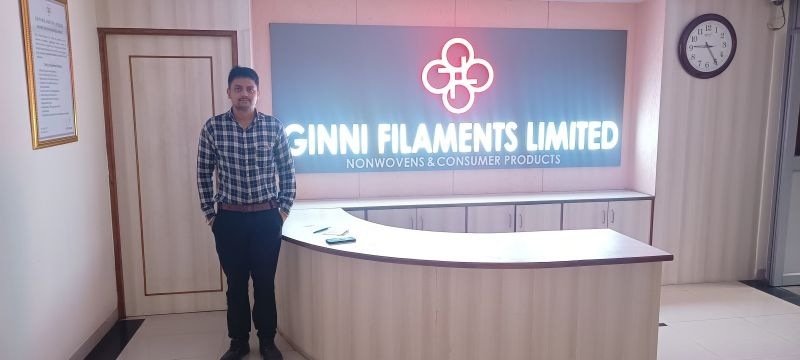
1. At a Glance
The financial landscape is often littered with companies that cling to their past until the weight of legacy assets drags them into oblivion. However, every so often, we witness a maneuver so drastic it mirrors a controlled demolition. Imagine a business that, for decades, operated as a sprawling, integrated textile giant, only to suddenly hack off its primary limbs—spinning, knitting, and processing—leaving behind a lean, specialized core focused on technical textiles and consumer products.
This is not a hypothetical scenario; it is the current reality of a specific player in the Indian textile space. In a bold move executed in early 2024, the company offloaded its loss-making traditional divisions to RSWM Ltd for ₹160 crore. This wasn’t just a sale; it was a desperate yet calculated pivot to escape recurring losses stemming from aging machinery that demanded capital the company simply didn’t want to burn.
The numbers tell a story of extreme volatility. We are looking at a firm that reported a massive Net Loss of over ₹50 crore in March 2024, only to swing back to a Net Profit of approximately ₹45 crore by March 2026. This 965% jump in profit isn’t magic; it’s the result of shedding the “dead wood.” But don’t let the recovery fool you into complacency. The revenue has shrunk from levels exceeding ₹1,000 crore in 2022 to just ₹369 crore in 2026.
While the debt-to-equity ratio sits at a comfortable 0.17, and the ROCE has staged a comeback to 21.6%, the red flags are still waving. The company has delivered a dismal sales growth of -13.9% over the past five years. Even with the turnaround, they haven’t paid a single rupee in dividends, preferring to hoard cash or reinvest in a high-stakes solar project. The promoter pledge stands at 17.4%, and the industry they operate in is a shark tank of fragmented competition and raw material price swings dictated by global crude oil trends.
Is this a rejuvenated specialist ready to dominate the wet wipes market with clients like Johnson & Johnson, or is it a diminished entity that has merely delayed the inevitable by selling its core? The transition from a ₹1,000 crore revenue laggard to a ₹370 crore high-margin niche player is a case study in corporate survival.
2. Introduction
Ginni Filaments Ltd is a company that has undergone a literal identity crisis over the last 24 months. Established in 1982 by Dr. Rajaram Jaipuria, it spent the better part of four decades trying to be everything to everyone in the textile world. They did it all: yarn, fabric, garments, and technical textiles.
However, by 2023, the weight of the past became unbearable. The spinning and knitting divisions were bleeding cash, trapped in a cycle of outdated technology and fierce domestic competition. The management finally blinked, opting for a slump sale of these units to RSWM Ltd.
Today, the “New Ginni” is a leaner beast. It has consolidated its operations around its technical textile plant in Gujarat, focusing on non-woven fabrics and consumer products like wet wipes. They aren’t just making wipes for their own brand, “CLEA”; they are the silent hands behind major global labels, including Dettol and Johnson & Johnson.
This shift has fundamentally altered the financial profile of the company. It has moved from a high-volume, low-margin traditional textile model to a lower-volume, potentially higher-margin technical textile model. The question for any observer is whether this smaller footprint can support the market capitalization and growth expectations that investors typically demand.
3. Business Model – WTF Do They Even Do?
If you think they just make shirts and bedsheets, you’re living in 2022. The current business model is focused on the “stuff you use and throw away.” They are heavily into Technical Textiles.
Specifically, they produce Spunlace Non-woven fabric. This isn’t the fabric you wear to a wedding; it’s the fabric used in hygiene products, medical disposables, and, most importantly, Wet Wipes.
The revenue model is split into three main buckets:
- Wet Wipes: They act as a contract manufacturer (job work) for the big boys like J&J and Dettol. They also push their own brand, CLEA, because everyone wants that sweet, sweet B2C margin.
- Non-Woven Fabric: They sell the raw rolls of non-woven fabric to other manufacturers.
- Garments: They still