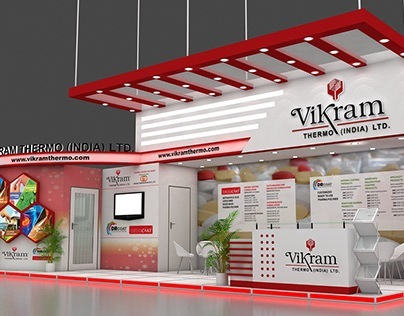
Vikram Thermo Q3 FY26: 44% OPM, ₹11 Cr PAT, 35% ROCE – Smallcap Excipient King or Quiet Compounding Machine?
1. At a Glance – The Silent Margin Monster
At ₹148 per share and a market cap of ₹463 Cr, Vikram Thermo (India) Ltd is not shouting on TV business channels — but its numbers are whispering something interesting. Q3 FY26 sales stood at ₹34 Cr, PAT at ₹11 Cr, and operating margins at a spicy 44%. That’s not typo territory. That’s “pharma polymer printing money” territory.
Stock P/E sits at 13.6 versus industry median around 16.9. ROCE is 35.5%, debt-to-equity just 0.02, and interest coverage 95 times. Translation? Bankers probably call them for loans, not the other way around.
But wait — revenue growth is flat (Q3 sales down 0.87% YoY), and 3-month returns are -15.4%. So Mr. Market isn’t throwing confetti.
Is this a boring compounder hiding in plain sight? Or just a temporary margin spike story?
You’ve heard of pharma companies. You’ve heard of APIs. But have you heard of excipients?
No? Good. That’s why Vikram Thermo exists.
Founded in 1985, the company manufactures pharmaceutical excipients — the silent ingredients that help drugs dissolve, sustain release, mask taste, and behave properly inside your body.
Without excipients, your tablet is just a bitter powder. With them, it becomes a time-controlled, stomach-safe miracle pill.
The company is ISO 9001 certified, GMP compliant, EXCiPACT certified — which basically means it doesn’t cook chemicals in a backyard drum.
In May 2024, Vikram Thermo and Vikram Aroma got demerged after NCLT sanction. So structurally, it has streamlined operations.
And now Q3 FY26 shows 44% operating margins.
Forty-four percent.
In chemicals.
Pause and absorb that.
But here’s the catch — sales growth is not explosive. So is this a high-margin niche or peak-cycle sugar rush?
Let’s decode.
3. Business Model – WTF Do They Even Do?
Vikram Thermo manufactures:
Pharma Polymers
Used in drug release systems — sustained, extended, modified, controlled, targeted. Basically, they control when and how the drug dissolves.
Cosmetic Polymers
Thickening agents for creams, gels, and lotions. That silky feel? That’s polymer science.
Ion Exchange Polymers
Used for taste masking and suspension formulations.
Imagine trying to swallow a bitter antibiotic syrup without taste masking. Exactly.
Brands:
Drug Coat – Enteric coating, film coating, sustained release
DRCoat – Aqueous & non-aqueous coating systems
AquaPol – Acrylate polymers
Apion – For API disintegration & taste masking
Two production facilities in Gujarat:
Unit 1: ~6000 TPA
Unit 2: ~4000 TPA
So roughly 10,000 TPA capacity.
Revenue breakup FY25:
99% Sale of Finished Goods
1% Other operating revenue
Clean. No fancy financial income games.
Now question: When margins are 40%+, are we looking at pricing power or temporary chemical cycle benefits?
Let’s open the books.
4. Financials Overview – The Quarter That Sparkled