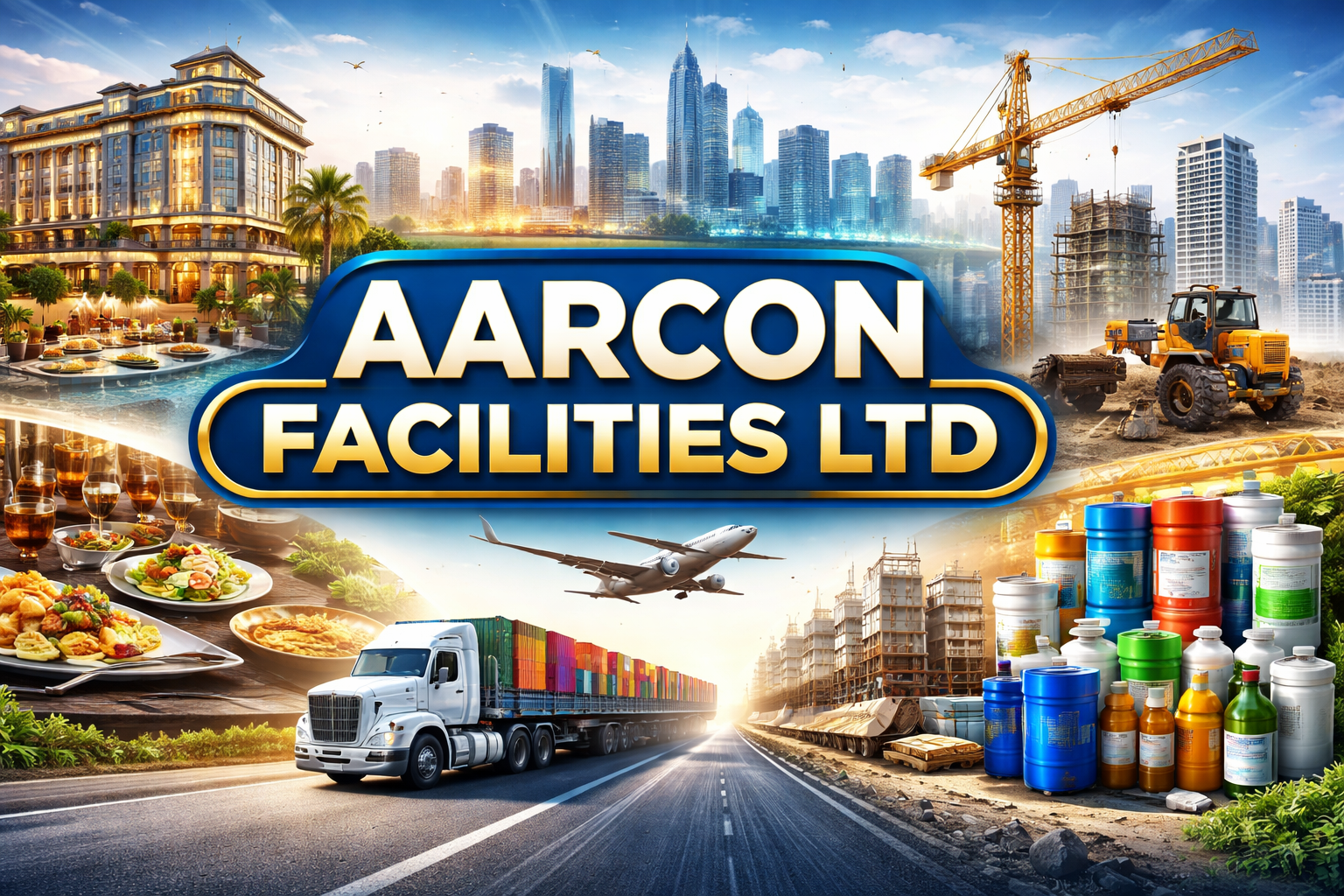
1. At a Glance — Blink and You’ll Miss It
Aarcon Facilities Ltd is one of those microcaps that doesn’t knock on your door — it quietly slips under it. With a market cap of ~₹7.05 crore, a current price of ~₹11.8, and Q3 FY26 revenue of just ₹0.08 crore, this company is smaller than the wedding budget of a mid-sized Gujarati family.
Yet, despite its size, Aarcon has ambitions that sound like a multinational conglomerate on caffeine. Originally positioned around hotel and restaurant management, the company now claims to operate in arts, entertainment, recreation, and — thanks to a FY24 MoA amendment — basically everything that has ever existed since the Industrial Revolution.
Financially, the latest quarter delivered PAT of ₹0.05 crore and EPS of ₹0.08, but QoQ and YoY volatility is wild enough to make crypto traders feel emotionally stable. ROCE sits at ~9.46%, ROE at a modest ~2.67%, and the company is debt-free, which is impressive — mostly because lenders probably can’t find it on Google Maps.
So the big question: is this a hidden turnaround hospitality play, a real estate optionality story, or just a very long MoA shopping list with a stock ticker attached? Let’s investigate — detective hat on. 🕵️♂️
2. Introduction — Welcome to the Corporate Multiverse
Aarcon Facilities Ltd was incorporated back in 1993, which means it has survived liberalisation, dotcom bubbles, global financial crises, pandemics, and multiple SEBI circulars — no small feat.
Originally, the company’s business revolved around managing hotels and restaurant activities, neatly fitting into hospitality and leisure. Simple, understandable, explainable to your relatives without a PowerPoint.
Then came FY24, when Aarcon looked at its Memorandum of Association and said: “Why stop at hotels?”
The company approved a massive alteration of its object clause, allowing it to:
- Build and manage real estate projects
- Invest in movable and immovable assets
- Acquire or take over other businesses
- Enter shipping, aviation, and road transport
- Trade in pharmaceuticals, chemicals, fertilizers, paints, petroleum products
- Enter food processing, branding, and distribution
This is not diversification. This is corporate reincarnation.
Now, to be fair, changing the MoA does not mean the company is actively doing all of this. It only means it can. But when a ₹7 crore company legally becomes eligible to do everything from running hotels to operating aircrafts, it does raise an eyebrow. Or both.
So is this optionality or confusion? Strategic