1. At a Glance – Blink and You’ll Miss the Compounding
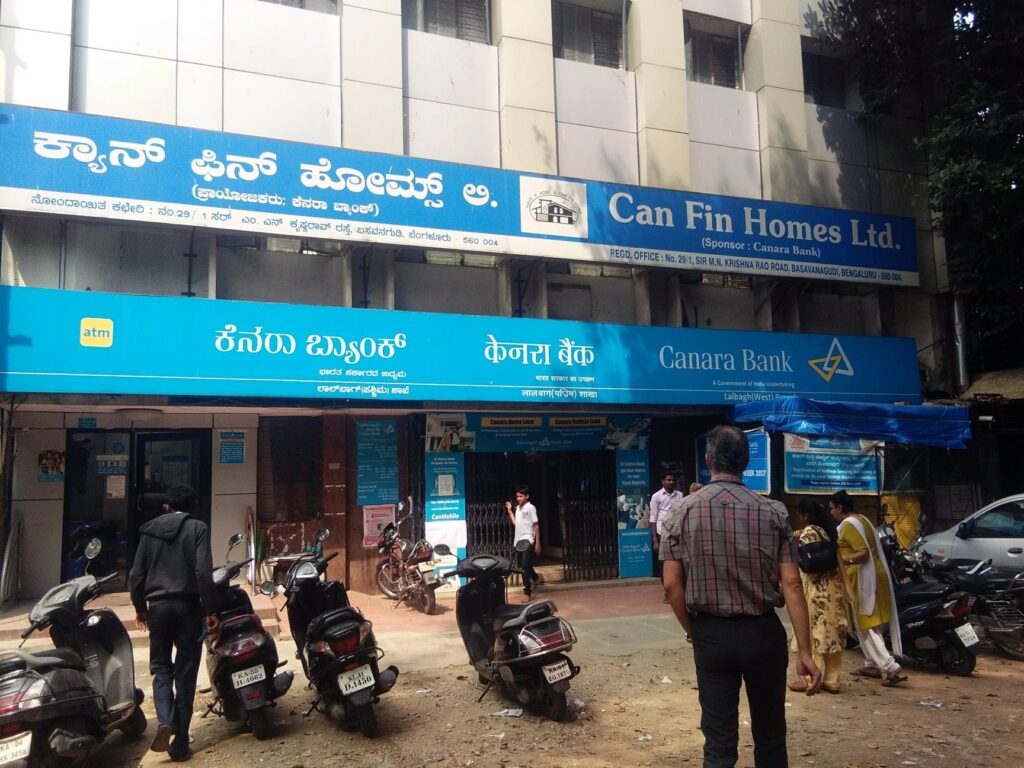
If you blinked in the last three months, Can Fin Homes Ltd quietly delivered another quarter of boringly excellent numbers. Current price hovering around ₹919, market cap ~₹12,242 crore, and a 3-month return of ~14.8%—all while not screaming on Twitter, not launching crypto, and not changing auditors every Diwali. Q3 FY26 PAT came in at ₹265 crore, up ~25% YoY, with quarterly revenue of ₹1,073 crore and financing margins staying stubbornly close to the 30% zone. ROE is cruising near 18%, P/E around 12.6x, dividend yield ~1.3%, and gross NPAs still below 1% despite rate cycles doing bhangra. This is not a “story stock.” This is a ledger stock. The kind your CA uncle secretly loves but pretends not to.
2. Introduction – The Most Unexciting Winner in the Room
Can Fin Homes is that kid in class who never topped Instagram but always topped accounts. Promoted by Canara Bank (29.99%), regulated by NHB, and operating in the brutally boring world of housing finance, the company has built a loan book of ₹40,693 crore as of Q3 FY26 without burning capital, torching asset quality, or inventing fancy acronyms to hide stress.
While fintechs were busy acquiring customers at the cost of sanity, Can Fin was busy doing what Indian housing finance is supposed to do—lend to salaried borrowers, keep ticket sizes sensible, and sleep peacefully at night. Salaried + professional borrowers make up 72% of the book. Housing (including CRE) forms ~89% of AUM. Average incremental housing ticket size? ~₹25 lakh. This is not YOLO lending. This is shaadi-approved lending.
And yes, there was drama—the Ambala fraud of ~₹39.67 crore—but management did the un-Indian thing: fully provided for it in Q2 FY24 and moved on. No excuses. No “committee formed” nonsense. Just provision and proceed.
So the question is: in a market addicted to excitement, what happens to a company that compounds quietly?
3. Business Model – WTF Do They Even Do?
Let’s simplify before your brain switches tabs.
Can Fin Homes is a deposit-taking Housing Finance Company. It lends primarily to:
Salaried government employees
Salaried private sector employees
PSU / bank employees
A controlled slice of SENP (self-employed non-professionals)
The core product is housing loans. Not rocket science. Not BNPL. Not “instant approval in 3 seconds.” Actual housing loans, with paperwork thick enough to kill mosquitoes.
Product Mix Reality Check
Housing loans: ~78%
Housing CRE: ~10%
Mortgage & Flexi LAP: ~5%
Top-up loans: ~2%
Others: ~5%
Geographically, South India dominates (~72%). Yes, concentration risk exists—but so does repayment discipline. The South pays EMIs like religion.
Funding is equally boring:
Banks: ~59%
NCDs: ~17%
NHB: ~16%
CPs + Deposits: the rest
In short: lend boring, borrow diversified, and don’t get cute. That’s the model. Simple enough that even regulators sleep well.
4. Financials Overview – Numbers That Don’t Need Filters
🔒 Result Type Lock: Quarterly Results (Q3 FY26)
EPS annualisation = Latest EPS × 4
Quarterly Performance Table (₹ crore)
Metric
Latest Qtr (Q3 FY26)
YoY Qtr (Q3 FY25)
Prev Qtr (Q2 FY26)
YoY %
QoQ %
Revenue
1,073
986
1,049
8.8%
2.3%
Financing Profit
345
272
336
26.8%
2.7%
PBT
341
269
332
26.8%
2.7%
PAT
265
212
251
24.8%
5.6%
EPS (₹)
19.89
15.93
18.88
24.8%
5.4%
Annualised EPS (Quarterly × 4): ~₹79.6
Commentary: Margins stable, profits growing faster than revenue, and costs behaving like obedient children. This is textbook operating leverage, not financial gymnastics. If this table were a person, it would wear a white shirt, ironed, and reach