Oil & Natural Gas Corporation Ltd Q2 FY26 – ₹1.58 lakh crore quarterly revenue, ₹12,615 cr profit, ₹29 EPS TTM, yet trading at single-digit P/E. PSU or Petroleum Soap Opera?
1. At a Glance – The PSU That Runs India’s Kitchen (and Budget Deficit)
Let’s not beat around the bush like a confused drilling rig. Oil & Natural Gas Corporation Ltd is the backbone of India’s energy security, contributing roughly 70% of domestic crude oil and 84% of natural gas production. In Q2 FY26 (Sep 2025), ONGC clocked ₹1,57,911 crore in revenue, ₹12,615 crore in PAT, and an EPS of ₹8.57 for the quarter. Annualised? About ₹34+, but TTM stands at ₹29.03 as per consolidated data.
Market cap sits at ₹3.12 lakh crore, stock price around ₹248, dividend yield near 5%, and P/E a modest 8.5x—because apparently producing oil for a billion people still doesn’t excite the market as much as a loss-making EV startup with a PowerPoint. Returns over the last three months are negative, sentiment is mixed, crude prices are volatile, and ONGC is busy doing what it always does: drilling, producing, firefighting (sometimes literally), and funding the nation’s energy needs.
So the real question is—is ONGC a boring PSU relic or a misunderstood cash machine stuck in a macro soap opera?
2. Introduction – A Government Company with Private Sector Problems
ONGC is that one uncle at every Indian wedding who pays for half the event but still gets criticised for the food. Incorporated decades ago, it has grown into India’s largest upstream oil and gas company with operations spanning onshore, offshore, deepwater, ultra-deepwater, and multiple continents through its overseas arm.
But here’s the irony: ONGC does everything—exploration, drilling, production, refining exposure, international assets—yet lives under the constant shadow of government controls, subsidies, windfall taxes, administered gas pricing, and policy surprises that land harder than a falling Brent chart.
In FY25 and early FY26, production volumes declined, realizations softened slightly, GRMs at subsidiaries cooled off, and yet profits remained solid. Why? Because scale matters. Cash flows matter. And when crude sneezes, ONGC doesn’t exactly catch pneumonia—it just coughs a little and adjusts capex.
Still, investors keep asking: Is ONGC a value stock, a dividend stock, or just a national service scheme listed on NSE?
3. Business Model – WTF Do They Even Do? (Apart from Everything)
Explaining ONGC’s business is simple… until you actually try.
At its core, ONGC explores and produces crude oil and natural gas. It searches for hydrocarbons, drills wells, extracts oil and gas, sells them at realized prices (sometimes market-linked, sometimes government-decided), and repeats this process thousands of times across India.
Operations span:
Onshore fields: Assam, Gujarat, Rajasthan
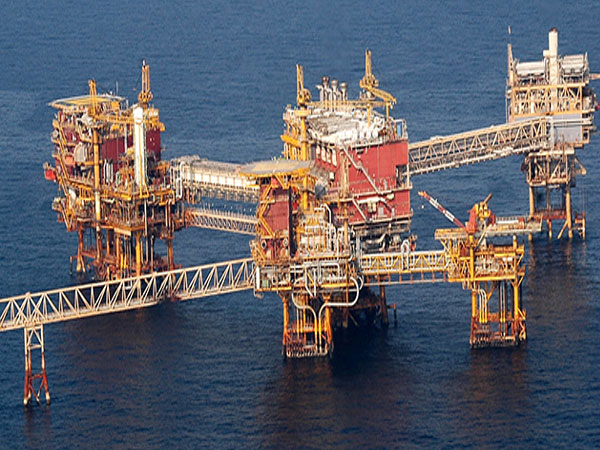
Offshore fields: Mumbai High, Western Offshore, Eastern Offshore
Deepwater projects: KG Basin
Then comes the international drama. Through ONGC Videsh, the company owns stakes in 32 assets across 15 countries, from Russia and Vietnam to Africa and Latin America. It contributes 30.3% of India’s oil and 23.7% of total oil & gas production from overseas sources. Not bad for a PSU passport holder.
Add subsidiaries like MRPL (refining & petrochemicals) and HPCL (downstream refining & marketing), and ONGC becomes less of a company and more of an energy ecosystem with mood swings.
Lazy investor translation: ONGC digs oil, pumps gas, sells energy, collects cash, pays dividends, and then gets told by the government to “adjust thoda sa.”
4. Financials Overview – Numbers Don’t Lie, They Just Look Tired
Result Type Lock: Latest reported numbers are Quarterly Results (Q2 FY26). EPS annualisation follows quarterly × 4 logic.
Commentary time: Revenue is flat because crude prices and volumes are playing tug-of-war. But margins improved, costs behaved, and profits jumped. This is classic ONGC—boring top line, dramatic bottom line.
Question for you: Would you rather own a fast-growing loss machine or a slow-moving cash cannon?
5. Valuation Discussion – Cheap for a Reason, or Cheap by Mistake?
Let’s talk valuation without shouting “undervalued” like a Telegram guru.
1️ P/E Method
CMP: ₹248
TTM EPS: ₹29.03
Implied P/E: 8.5x
If ONGC were valued at:
9x → ₹261
10x → ₹290
11x → ₹319
2️ EV/EBITDA Method
Enterprise Value: ₹4.41 lakh crore
EV/EBITDA: ~4x
Global upstream majors often trade between 5–7x depending on cycle. ONGC trades lower due to PSU discount and policy risk.
3️ DCF (Very Conservative PSU Style)
Assuming:
Modest production growth
Stable crude realization
Heavy capex but strong operating cash flows
You get a wide fair value band, not a single holy number.
Fair Value Range (Educational Only): ₹260 – ₹330 This fair value range is for educational purposes only and is not investment advice.
6. What’s Cooking – Discoveries, Blowouts, and Boardroom Drama
ONGC made 7 discoveries in 9M FY25—4 onshore, 3 offshore. Exploration is expanding aggressively, with plans to cover 1.8 lakh sq km in FY25, scaling to 4