Mangalam Global Enterprise Ltd Q3 FY26 – ₹756 Cr Quarterly Revenue, 50.6% YoY Sales Jump, 1.7% Margins, and a Balance Sheet That Sweats More Than a Trader in Castor Oil Season
1. At a Glance
Mangalam Global Enterprise Ltd is that one company which wakes up every morning, looks at the mandi rates, the export parity, the cotton crop outlook, and then decides whether today is a “manufacturing hero” day or a “pure trading hustle” day. With a market cap of about ₹434 crore and a current price hovering around ₹13.2, MGEL sits in that awkward but exciting zone where volumes are massive, margins are wafer-thin, and profits depend on discipline rather than divine blessings. The latest quarter ended December 2025 delivered sales of ₹756 crore, up a fiery 50.6% YoY, while PAT came in at ₹8.51 crore, up 23% YoY. ROCE stands at a respectable 16.8%, ROE at 14.6%, and operating margins remain a humble 1.69%, which is management’s polite way of saying, “We sell truckloads, not perfumes.” Debt is ₹234 crore with a debt-to-equity of about 1.03, meaning leverage is present but not yet throwing tantrums. The stock has punished impatient investors over the last six months but continues to tease long-term watchers with volume growth, expansion announcements, and a constant stream of corporate updates. Curious yet? You should be.
2. Introduction
Mangalam Global Enterprise Ltd is not a startup fairy tale. It is a classic Indian agro-commodity story where success is decided by procurement discipline, working capital control, and whether your CFO sleeps with the cash-flow statement under his pillow. Incorporated in 2010 and part of the Ahmedabad-based Mangalam Group, MGEL operates across edible oils, non-edible oils, oilseeds, cotton products, grains, and even throws in a bit of B2C ambition just to keep analysts awake.
This is not a company that promises 40% EBITDA margins or SaaS-like scalability. Instead, it promises scale, relationships, and survival in one of the most brutal businesses in India—agri trading and processing. Clients include heavyweights like ITC, Adani Wilmar, Cargill, Godrej Agrovet, and COFCO International. These are not clients you bluff; these are clients who squeeze you until efficiency falls out.
Over the last few years, MGEL has grown revenue aggressively, with five-year sales CAGR north of 30%. Profits have grown too, though not without volatility. Manufacturing units have been acquired, shut, restarted, and optimised. Subsidiaries have been opened in Singapore and Dubai, while the UK entity was politely shown the exit door. This is a company constantly reshuffling its chessboard. The question is: is this chaos strategic or just the natural state of commodity businesses? Let’s dig.
3. Business Model – WTF Do They Even Do?
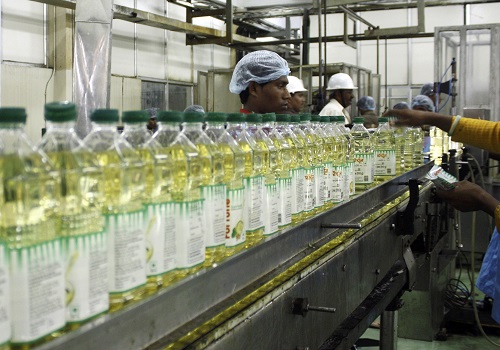
If you explain Mangalam Global to a five-year-old, you’d say: “They buy crops, clean them, crush them, refine them, pack them, and sell them to big companies who then sell them to you at the kirana store.”
MGEL operates across multiple verticals. First is castor oil and its derivatives—refined castor oil, castor de-oiled cake, and high-protein variants for domestic and export markets. Then comes cotton: cotton bales, cottonseed, cotton cake, cattle feed, and cotton wash oil. Add mustard seeds, mustard oil, soya products, wheat, rice, and suddenly you realise this company is basically a walking commodity syllabus.
On top of that, MGEL has dipped its toes into B2C with the “LAGNAM” brand, targeting domestic consumers. This is ambitious because B2C in agri-products is like entering a boxing ring where Patanjali, Adani Wilmar, and ITC are already warming up. MGEL also earns from ancillary services like clearing, liaising, and lease rentals—small but steady add-ons.
The business model is volume-driven. Margins are thin, but turnover is massive. Working capital management is the real game. One bad procurement decision or one delayed receivable can turn profits into philosophy lessons. Does this sound boring? Maybe. Is it effective? The numbers say yes, most of the time.
These are Quarterly Results, so EPS annualisation logic is locked. Annualised EPS = latest quarterly EPS × 4 = ₹1.04.
Now, before you panic about the QoQ PAT drop, remember September 2025 had elevated other income. Strip that out and the core business looks far less dramatic. Revenue momentum is strong, margins are stable (for a commodity house), and EBITDA tracks volume rather than heroics. Question for you: would you rather have steady trucks or volatile fireworks?
5. Valuation Discussion – Fair Value Range Only
P/E Method Annualised EPS ≈ ₹1.04. Industry P/E ≈ 22.8. Conservative multiple range: 12× to 18×. Implied value range: ₹12.5 to ₹18.7.
EV/EBITDA Method Enterprise Value ≈ ₹643 crore. TTM EBITDA ≈ ₹45 crore. EV/EBITDA ≈ 14.3×. Peer comfort range: 10×–14×. Fair EV range implies equity value roughly aligned with current market levels to moderately higher.
DCF (Simplified) Assuming low single-digit margin expansion, mid-teens revenue growth tapering, and disciplined capex, the intrinsic value band clusters close to current prices with upside dependent on execution.
Disclaimer: This fair value range is for educational purposes only and is not investment advice.
6. What’s Cooking – News, Triggers, Drama
MGEL has been busy. The company approved Q3 and nine-month results, proposed ESOP-2026, and initiated promoter reclassification of 0.30% shares. It announced plans to open 100 “Neat Everyday”