1. At a Glance – The “Instagram Brand That Accidentally Became Profitable”
Ravelcare Ltd is that rare species in Dalal Street’s zoo: a D2C beauty brand that actually makes money. Listed on the BSE SME platform in December 2025, this five-year-old digital-native company is sitting at a market cap of roughly ₹93 crore with a current price hovering around ₹136, far below its post-listing high of ₹209. Revenue for FY25 clocked in at ₹25 crore, profit after tax at ₹5.25 crore, and operating margins that would make FMCG veterans spit their green tea—27% OPM. ROCE stands at an eye-watering 90%+, ROE at nearly 68%, and debt is a clean zero. No bank loans. No NBFC uncle calling every Monday.
The entire business runs largely through its own website, pulling in over 95% of revenue directly, while marketplaces play sidekick. Haircare alone contributes about 95% of sales, meaning this company lives and dies by your shampoo routine. The stock trades at a P/E of ~18, compared to an industry average north of 50. Yes, the company is tiny. Yes, liquidity is SME-style thin. But from a pure numbers lens, Ravelcare looks like that overachieving kid from a Tier-2 town who cracked IIT without coaching. Intrigued already? You should be.
2. Introduction – From “Which Shampoo Do You Use?” to “Which Stock Is This?”
Ravelcare’s story begins in 2018, right in the middle of India’s great D2C gold rush—when everyone with a Shopify login and a pastel Instagram grid became a “brand founder.” Most of those brands are still burning VC cash faster than influencers burn ring lights. Ravelcare, however, decided to do something deeply unfashionable: earn profits early.
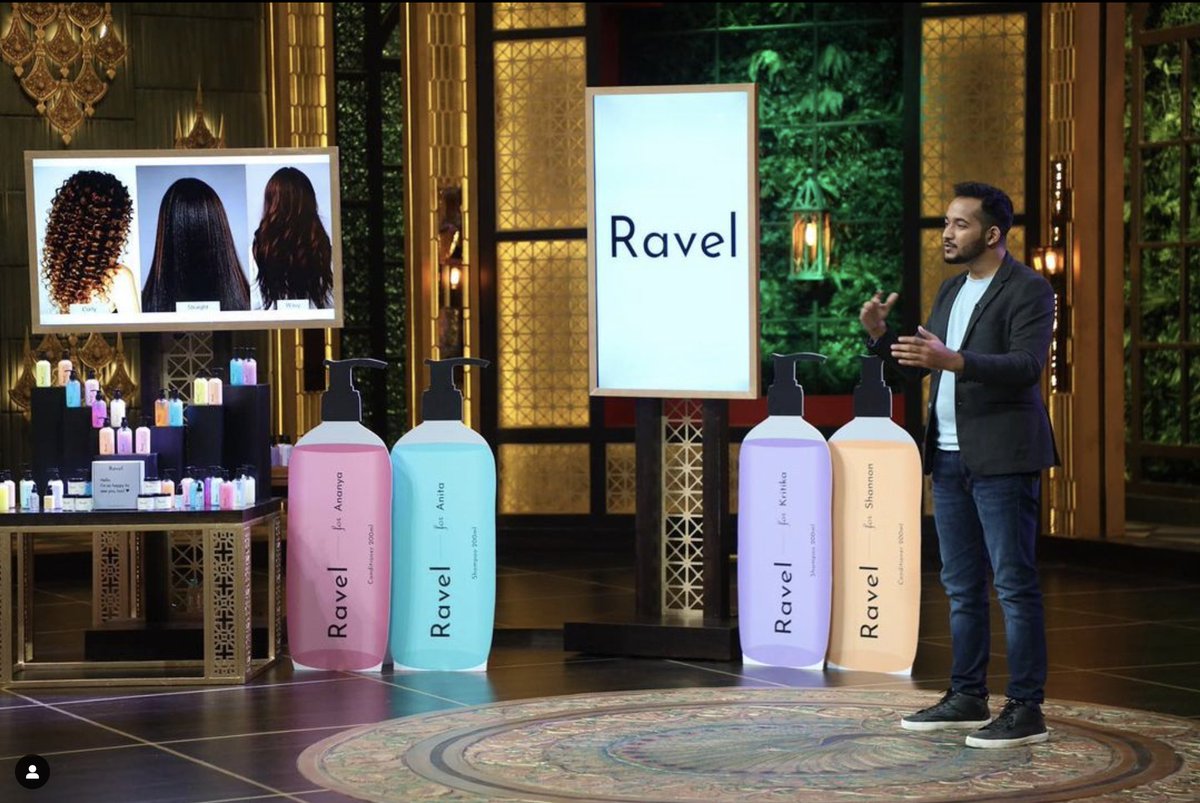
Ravelcare appeared on Shark Tank India Season 2, where founder Ayush Varma pitched for ₹75 lakh for 2.5% equity and struck a conditional deal with Shark Anupam Mittal for ₹75 lakh in exchange for 10% equity, though reports suggest the exposure boosted awareness more than the formal funding closure itself.
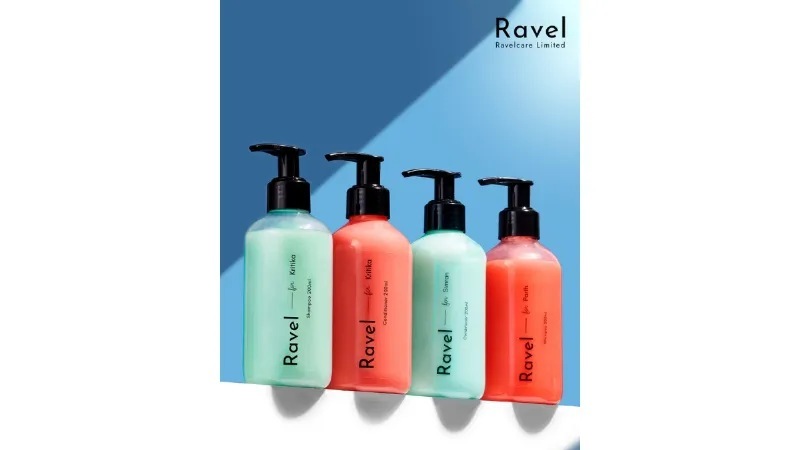
Operating under the brand “Ravel,” the company positioned itself as a digital-first beauty and personal care brand with a strong focus on customization. Instead of shouting “sulphate-free” louder than competitors, it quietly built a questionnaire-based product recommendation engine and focused obsessively on haircare. No retail stores. No mall kiosks. Just the internet, a warehouse, and performance marketing.
Fast forward to FY25 and the company has gone from sub-₹1 crore revenue in FY22 to nearly ₹25 crore. That’s not linear growth—that’s startup puberty. It raised ₹22.9 crore via IPO, got listed, and now finds itself under the harsh fluorescent lights of public markets. Quarterly scrutiny. Shareholding patterns. Debtor days. Welcome to adulthood.
But here’s the real question: Is Ravelcare a sustainable cash machine or just a lucky shampoo phase? Let’s dig.
3. Business Model – WTF Do They Even Do (Besides Selling Shampoo)?
At its core, Ravelcare is a D2C beauty and personal care company. But not the “spray-and-pray product launch” type. The company focuses on four categories: haircare, skincare, bodycare, and scalp-care. Haircare is the undisputed boss, contributing over 93–95% of revenue depending on the period.
The model is brutally simple:
Acquire users digitally (mostly via ads).
Run them through an online questionnaire.
Recommend products—customized or standard.
Fulfil orders through its own logistics network.
Repeat until the customer’s hair either improves or they go bald.