Veekayem Fashion & Apparels Ltd H1 FY25 — ₹98 Cr Sales, ₹3 Cr PAT, Debt ₹123 Cr: A Textile Veteran Trying to Stitch a Comeback
1. At a Glance – Blink and You’ll Miss the Drama
Veekayem Fashion & Apparels Ltd is that old Mumbai textile uncle who has seen every boom, bust, quota raj, China shock, GST panic, COVID nightmare, and still shows up to work with a pressed shirt and a slightly worried face. Incorporated in 1985, listed on the NSE SME platform, currently sitting at a market cap of about ₹82.8 crore with a stock price of ₹141, this company has quietly delivered a TTM revenue of ₹297 crore and a TTM PAT of ₹7.86 crore while the stock price has absolutely refused to cooperate with the financials. In the last three months alone, the stock is down roughly 48.5%, six months down over 40%, and one year down around 36.7%, making it a classic case of “numbers improving, market mood deteriorating.”
Latest half-year numbers show sales of ₹98 crore with a PAT of ₹3.18 crore, despite sales being down YoY. EPS stands at ₹13.4 on a TTM basis, translating into a P/E of roughly 10.5, well below the industry average of around 27. ROE is a respectable 15.7%, ROCE sits at 14%, but the debt-to-equity ratio of 2.09 keeps giving investors mild heartburn. Promoters hold a chunky 73.1% stake with zero pledge, which is comforting, but interest coverage at 1.78 tells you the banker is always invited to the family dinner. Curious already? You should be.
2. Introduction – A Textile Story Older Than Most Mutual Funds
Veekayem Fashion & Apparels Ltd is not a startup, not a D2C Instagram brand, and definitely not trying to reinvent fashion with buzzwords. This is an old-school textile and apparel manufacturer that has survived because it knows how to weave, dye, stitch, print, and sell at scale. The company’s journey began in 1985, when “fast fashion” meant stitching faster than your neighbour, not launching collections every 14 days.
Over the decades, VFAL has evolved into a fully integrated textile player dealing in yarn, grey cloth, finished fabric, and ready-made garments. It operates across the value chain — from weaving to finishing to garmenting — and also wears multiple hats as a wholesaler, retailer, broker, and commission agent. Basically, if there is cloth involved, Veekayem wants a slice.
Despite decent operating metrics and improving profitability over the last three years, the market has been unforgiving. The stock has corrected sharply, possibly due to SME liquidity issues, debt concerns, textile cyclicality, or just plain investor boredom. But beneath the price carnage lies a business doing ₹300 crore in annual sales, improving margins, and recently launching its own brand, “Velamen,” in February 2024. Is this a turnaround story in slow motion or just another textile company running hard to stay in the same place? Let’s keep digging.
3. Business Model – WTF Do They Even Do?
Explaining Veekayem’s business is like explaining a Gujarati wedding menu — long, layered, and everything is connected. At its core, VFAL is a textile processing and garment manufacturing company. It deals in yarn, grey fabric, finished fabric, and ready-made garments across men’s wear, kids’ wear, and accessories.
On the fabric side, the company is involved in weaving, dyeing, printing, and finishing of textiles including cotton, polyester, rayon, nylon, silk, wool, linen, and various man-made fibres. Finished cloth contributes the lion’s share of revenue — about 69% in FY24 — which tells you this is not just a low-margin grey fabric operation. Garments contribute around 26%, while yarn and grey cloth are relatively small contributors.
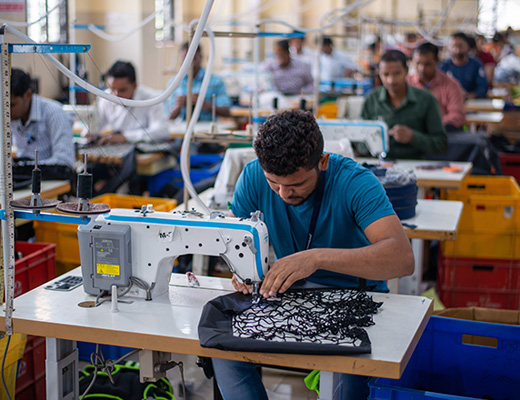
On the apparel side, Veekayem manufactures shirts, denims, trousers, T-shirts, shorts, pullovers, woollen jackets, business wear, party wear suits, and men’s accessories. In FY24, cloth sales accounted for roughly 74% of segment revenue, garment sales about 22%, and others 4%. The company operates from its registered office in Mumbai, with a manufacturing facility at Umargaon, Gujarat, equipped with automated machinery capable of producing about 5 lakh meters of fabric per month and 1.5 lakh garments per month.
In February 2024, VFAL launched its own brand “Velamen,” focused on selling T-shirts online. This is a small but important step up the value chain — from B2B supplier to brand owner. Will this brand move the needle meaningfully? Too early to say, but at least management is trying something beyond bulk fabric orders. Textile dinosaurs don’t usually experiment unless survival instincts kick in.
4. Financials Overview – Numbers That Behave Better Than the Stock
Result Type Lock: The latest official heading clearly states “Half Yearly Results”, so EPS annualisation will be done by multiplying the latest EPS by 2, not 4. Lock applied. No further debate.